French Naval Architecture Firm MAURIC Wins Contract to Develop Patrol Vessels for Bangladesh’s Riverine Coast Guard Fleet
French design firm MAURIC has secured a contract to develop riverine patrol vessels for the Bangladesh Coast Guard, Naval News reported.
French naval architecture and marine engineering firm MAURIC has been awarded a contract to design riverine patrol vessels for the Bangladesh Coast Guard, according to Naval News. The agreement marks a notable expansion of European defense design expertise into South Asian maritime security, where Bangladesh’s extensive inland waterway network presents distinct operational demands that differ sharply from blue-water patrol requirements.
Bangladesh’s geography makes riverine capability a core element of its maritime security posture. The country’s delta region — one of the largest in the world — is threaded with rivers, estuaries, and tidal channels that conventional coastal patrol vessels are ill-suited to navigate. The Bangladesh Coast Guard’s mandate to police those waterways, counter smuggling, and respond to humanitarian emergencies in flood-prone areas has long underscored the need for purpose-built shallow-draft platforms. For context on how allied nations are similarly investing in specialized maritime sensor and patrol capabilities, GDD’s earlier coverage of Ultra Maritime illustrates how niche operational environments are driving tailored platform and sensor development across multiple fleets.

MAURIC’s Role and Design Scope
MAURIC, a Marseille-based firm with experience across naval and commercial vessel design, will be responsible for the engineering and architectural work on the new craft. The Naval News report does not specify the number of hulls planned, the vessels’ displacement or length, propulsion arrangements, or the contract’s financial value — details that Bangladeshi or French officials have not publicly confirmed at this stage. What the report establishes is that MAURIC’s scope covers the design phase, a standard early-program milestone before construction contracts are tendered to shipyards.
The firm’s selection signals that Bangladesh is drawing on international design talent rather than relying solely on domestic naval architecture capacity, a procurement approach common among developing-nation coast guards seeking to compress development timelines and incorporate proven design methodologies. MAURIC has previously worked on vessel programs across Africa and Southeast Asia, giving the firm relevant experience in designing for tropical, low-visibility, and shallow-water operational environments — conditions that apply directly to Bangladesh’s river systems.
Strategic and Operational Context
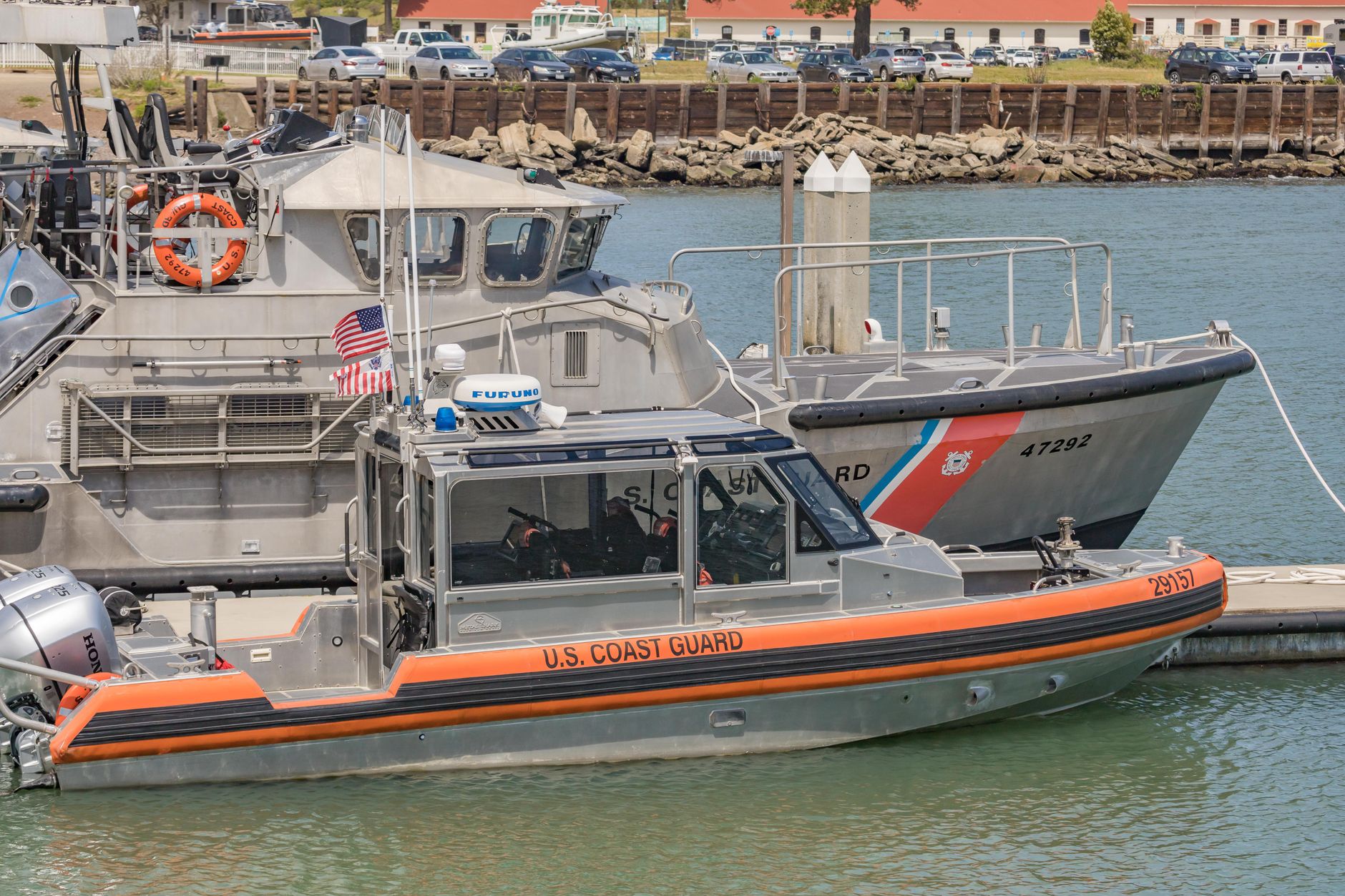
The Bangladesh Coast Guard has been modernizing incrementally over the past decade, acquiring additional patrol assets and expanding its operational remit as the government has sought to assert greater control over the country’s maritime and riverine zones. Internally, the service faces the challenge of maintaining coverage across thousands of kilometers of navigable waterways with a fleet that must balance speed, shallow-draft performance, and seakeeping in variable tidal and weather conditions.
Engaging a European design house at the front end of a new vessel class suggests Dhaka is prioritizing long-term capability over near-term procurement speed. Purpose-designed riverine patrol vessels, rather than adapted commercial hulls, typically offer better crew protection, more mission-flexible deck arrangements, and optimized propulsion for low-water operations. The broader trend of smaller navies and coast guards commissioning specialized vessel designs rather than acquiring surplus platforms from larger powers reflects a maturing of regional defense procurement in South and Southeast Asia. How that pattern intersects with great-power competition for defense partnerships in the Indo-Pacific region will likely determine which European and Asian shipyards ultimately compete for the construction phase of programs like this one.
Naval News first reported the MAURIC contract award. Additional program details — including vessel specifications, delivery schedules, and the identity of any prospective builder — have not yet been confirmed by either the Bangladesh Coast Guard or MAURIC.