King Charles Receives Military Honors and Air Power Display During White House State Visit
President Trump hosted King Charles III at the White House, staging a military pageantry display including a flyover as part of the state visit.
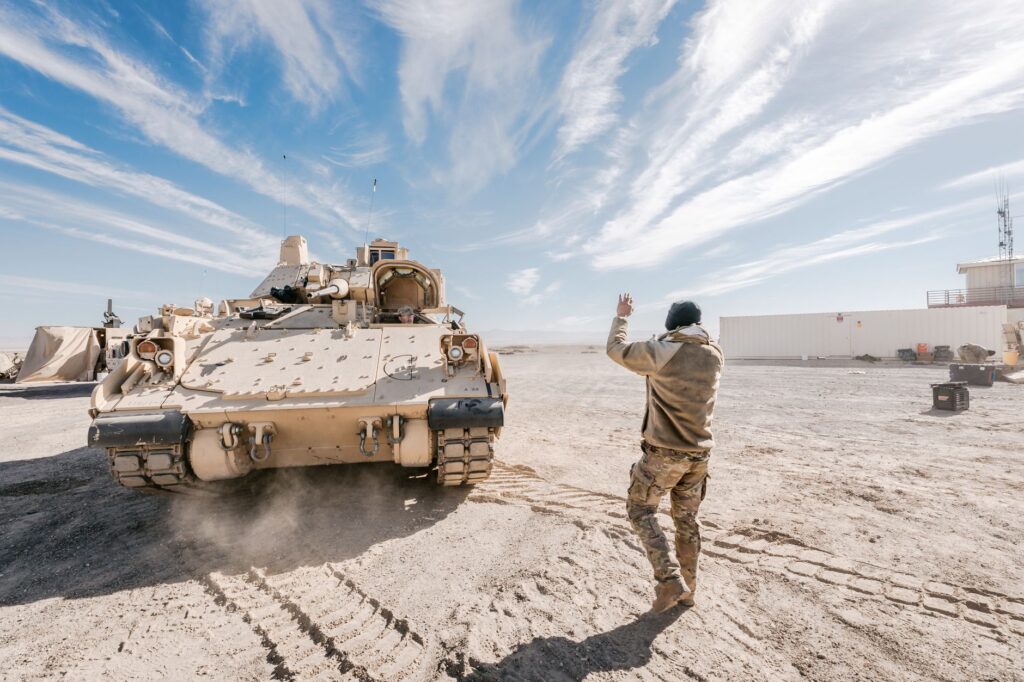
President Donald Trump welcomed King Charles III to the White House on April 28 in a state visit that featured a deliberate showcase of American military strength, including a flyover by U.S. military aircraft, according to Military Times. The event marked one of the most visually prominent military pageantry displays staged at the White House in recent years, with Trump using the occasion to emphasize the U.S. defense posture alongside a reaffirmation of the transatlantic relationship. The visit comes at a moment when U.S.-UK defense ties have taken on renewed operational significance, with American forces conducting exercises on British soil and both governments navigating a complex alliance environment.
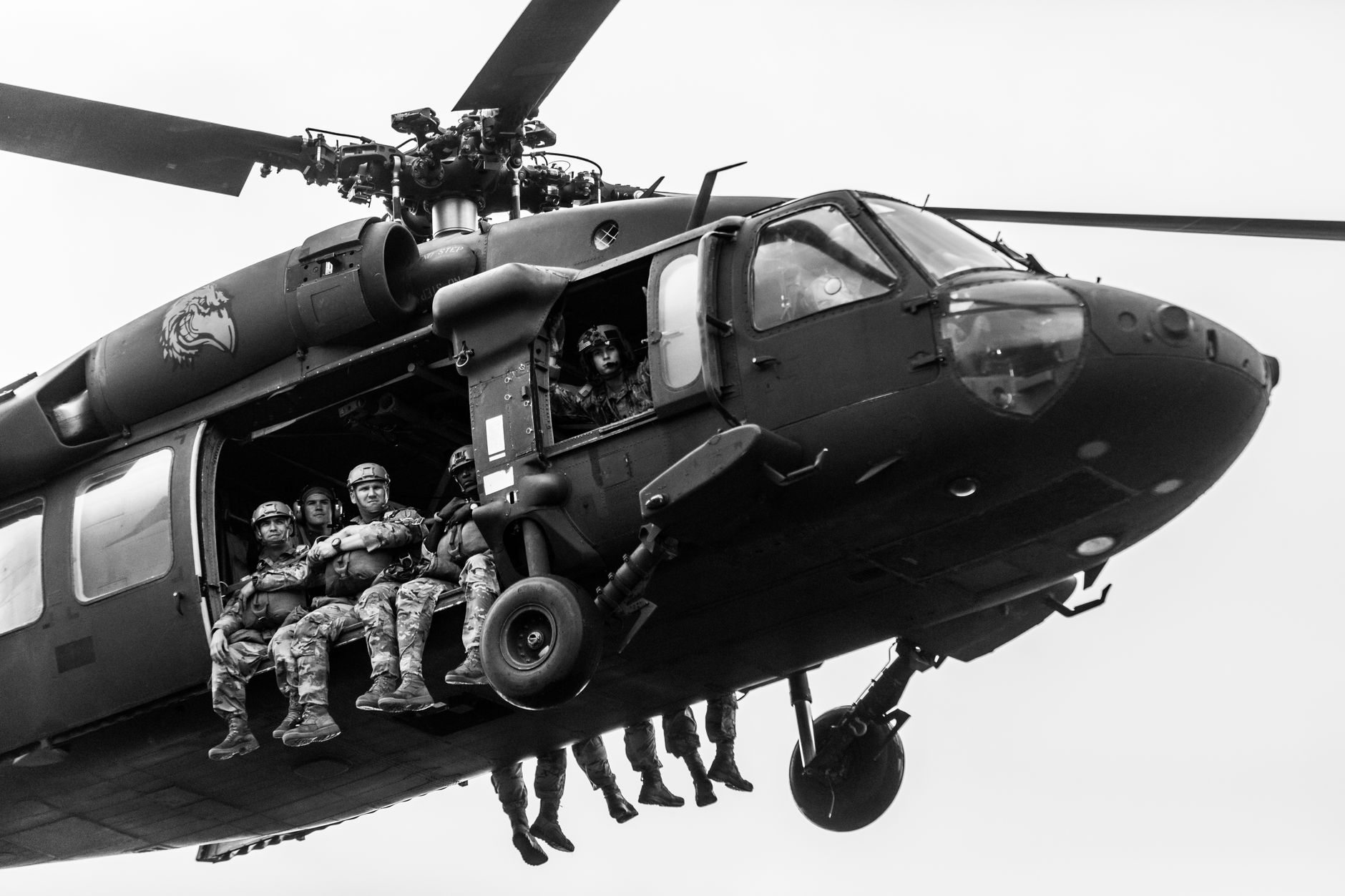
The flyover and accompanying ceremonial elements were consistent with Trump’s pattern of incorporating visible military demonstrations into high-profile diplomatic engagements. Officials did not confirm the specific aircraft types or unit designations involved in the aerial display, and precise operational details of the ceremony’s military components were not released ahead of publication.
Ceremony Framing and Diplomatic Context
The state visit carried significant diplomatic weight beyond its ceremonial surface. King Charles III’s trip to Washington — his first as reigning monarch — arrives amid ongoing U.S.-UK negotiations over trade tariffs and broader questions about the durability of Western alliance cohesion. Trump has publicly praised the bilateral relationship in recent months, though tensions over tariff policy have complicated the optics of the visit. The military display appeared calibrated to project partnership and shared strength rather than reflect any specific operational agreement.
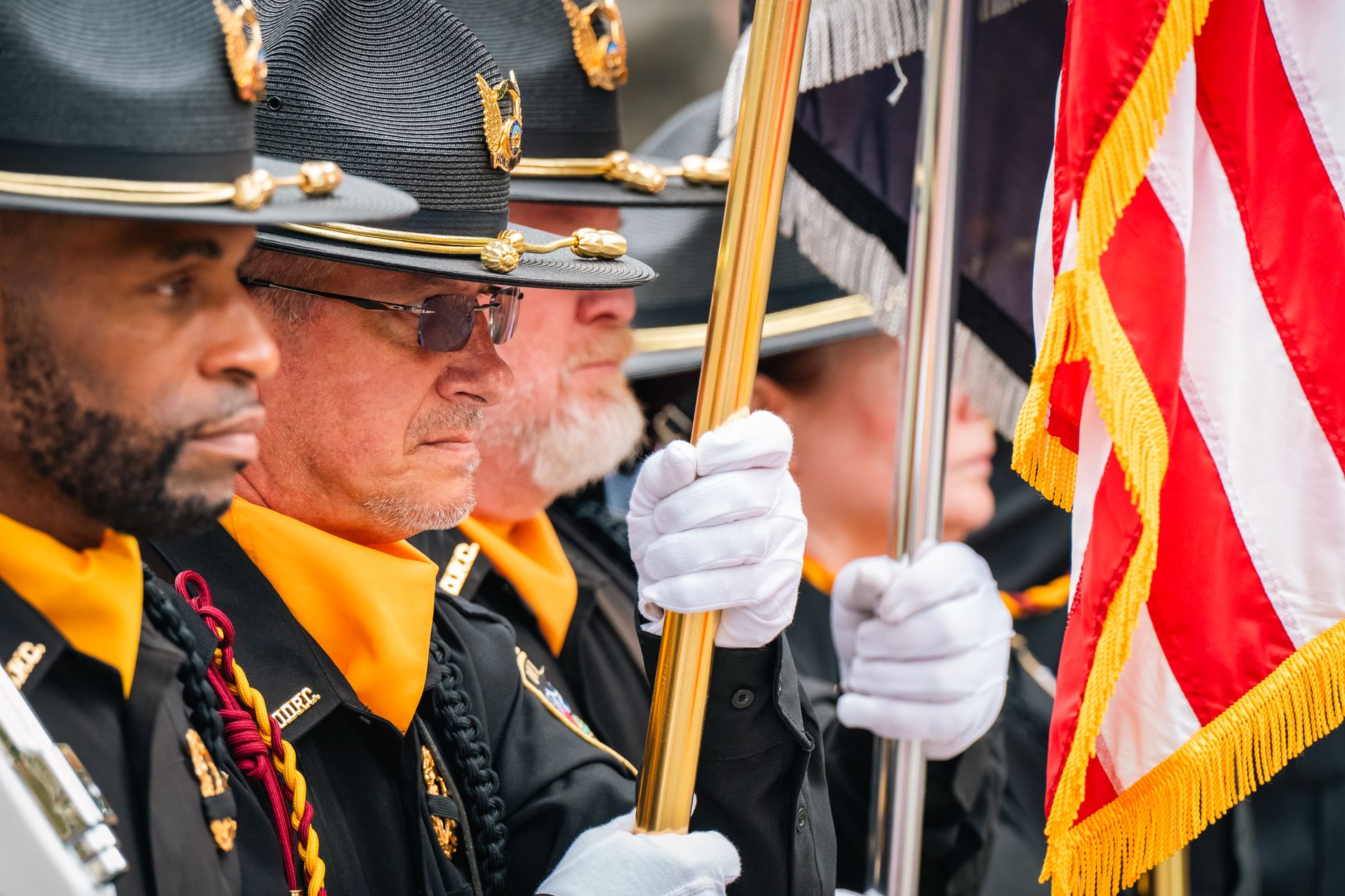
White House officials framed the reception as befitting the depth of the so-called special relationship between the United States and the United Kingdom. The ceremonial use of U.S. military assets — troops, flyovers, and formal honors — during foreign leader visits is standard protocol, but the scale and visibility of Monday’s display reflected a deliberate emphasis from the Trump administration on military symbolism as diplomatic currency. The British royal family’s public role in state affairs has itself grown more demanding in recent years, with working royal duties now distributed across a smaller core of senior family members following a series of high-profile departures from active royal responsibilities.
Military Symbolism in Alliance Diplomacy
The decision to lead the visit with military pageantry reflects a broader Trump administration approach to great-power optics, one in which demonstrations of force readiness serve a dual audience: the visiting dignitary and the wider international community watching the bilateral relationship. For the United Kingdom, which is navigating its own defense spending debates and strategic realignment in the post-Brexit environment, a visible American military commitment carries both reassurance value and domestic political weight for the government in London.
Neither the White House nor the Pentagon released detailed specifics about which units or assets participated in the ceremonial flyover, and casualty or readiness figures were not part of any official statement tied to the event. The visit was expected to include broader working discussions between Trump and King Charles, though the precise agenda items and any resulting agreements were not confirmed by officials prior to publication. Military Times reported on the event’s ceremonial elements and the broader diplomatic framing without citing specific outcome documents or formal communiqués from the meeting.