Kherson Residents Say Russian Drones Strike Without Warning, Turning the City Into a Civilian Killing Zone
Residents of Kherson describe constant drone strikes on civilians as Russia’s campaign makes daily life a life-or-death gamble.
Russian drone operators are systematically targeting civilians in Kherson with what residents and Ukrainian officials describe as near-constant, indiscriminate attacks that have made ordinary movement through the city potentially fatal. Business Insider Kherson coverage published an account of conditions on the ground in which locals say they cannot predict when or where a strike will come — only that one will. The campaign, residents told the outlet, resembles a hunt with no rules of engagement limiting who can be targeted.
The pattern bears comparison to broader drone-warfare escalation documented across the conflict, where first-person-view and loitering munitions have increasingly been directed at non-combatants rather than military hardware. For analysis of how directed-energy and drone-defense technology is being developed in response to exactly this kind of threat, see GDD’s earlier coverage of directed energy programs advancing across the defense sector.
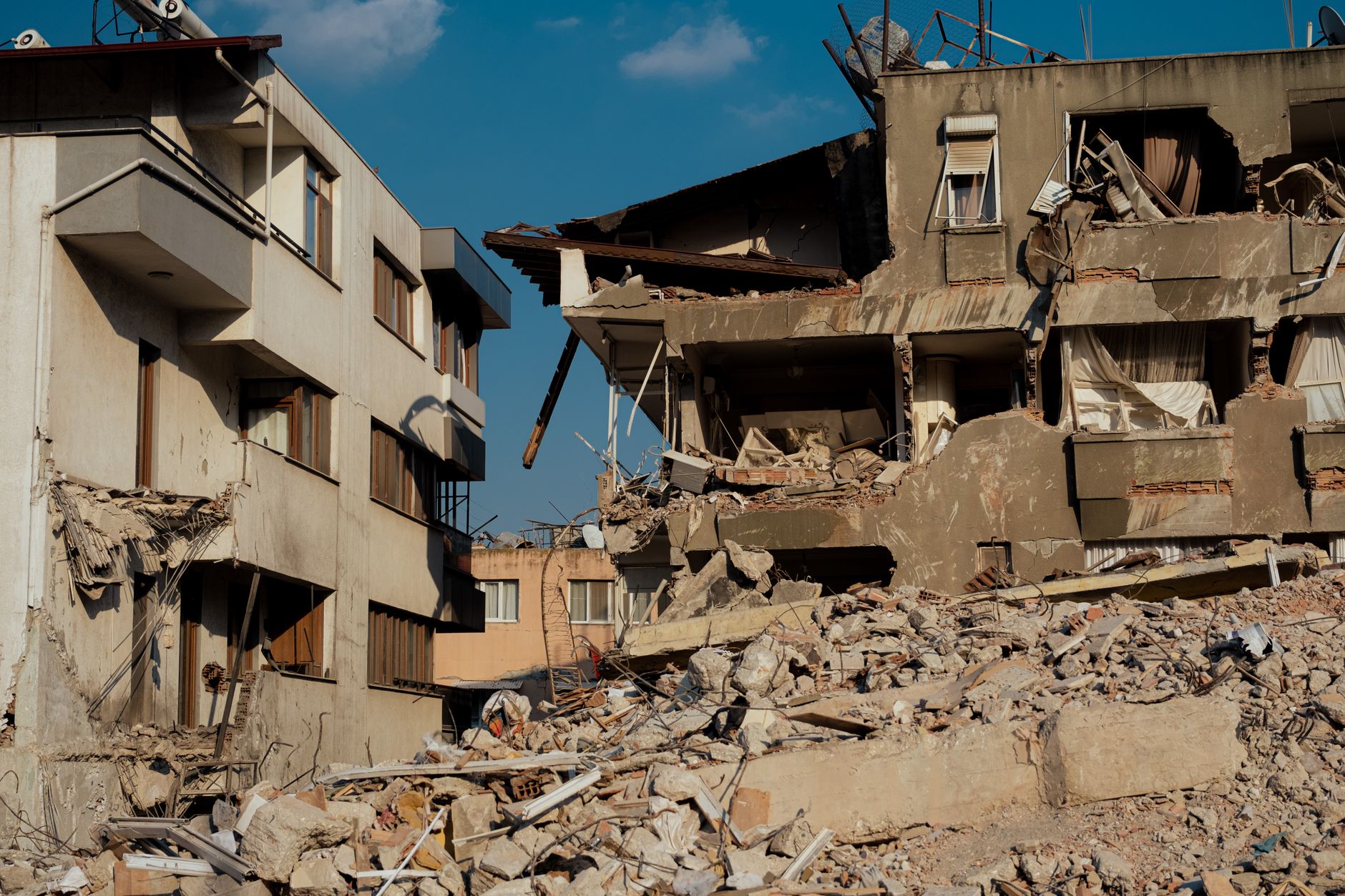
Civilians as Targets, Not Bystanders
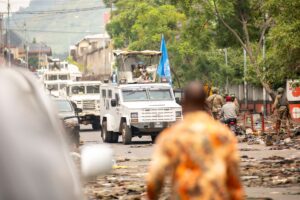
The Business Insider report, headlined “Russia is turning Kherson into a ‘human safari’ as its drones hunt civilians. Residents say anyone can be hit at any time,” draws on firsthand accounts from people still living in the Ukrainian-controlled city on the west bank of the Dnipro River. Kherson sits within range of Russian positions across the river, making it one of the most persistently shelled and drone-struck cities under Ukrainian control. Residents described a reality in which stepping outside — to shop, walk, or check on neighbors — carries the immediate risk of being struck by a drone.
Ukrainian President Volodymyr Zelensky has continued to draw international attention to the strikes on Kherson and other population centers. In a Zelensky statement posted to X, the Ukrainian president addressed the ongoing assault on civilians and the broader toll of Russian drone and missile strikes across Ukraine.
Business Insider’s reporting does not provide a confirmed casualty count specific to the drone campaign in Kherson during the period covered, and Ukrainian officials have not released a verified tally of civilian drone-strike deaths attributed solely to this phase of operations. What the sourced accounts do establish is the frequency and perceived impunity of the strikes: residents say the drones operate at all hours, that they cannot be reliably heard before impact, and that no location in the city feels safe.
Strategic Logic Behind the Campaign
Kherson’s geography gives Russian forces a persistent advantage. Positioned on the eastern bank of the Dnipro, Russian troops and drone operators can surveil and strike the city with relatively short flight times and limited exposure to Ukrainian air defenses, which are concentrated along frontline military positions rather than distributed through the urban core. That asymmetry has allowed what amounts to a long-running harassment campaign against the civilian population — one that serves a strategic purpose even without capturing territory. Sustained civilian pressure can degrade Ukrainian administrative control, force evacuations that hollow out the city’s population, and tie down Ukrainian resources on defensive civil-protection tasks.

The use of drones specifically — rather than artillery or rocket fire — adds a psychological dimension that residents in the Business Insider account emphasize. Artillery follows recognizable patterns: barrages at certain hours, targeting of known infrastructure. Drones, by contrast, can loiter, follow individuals, and strike after a delay, which residents say produces a sense of being watched and hunted rather than caught in generalized bombardment. That distinction, between mass fires and what functions operationally as targeted killing of unarmed civilians, is what underlies the “human safari” framing that Kherson residents themselves have applied to the campaign. Ukrainian and international human rights observers have not yet issued a formal legal classification of the tactics described in the Business Insider report, but the accounts raise clear questions about compliance with the laws of armed conflict. Officials in Kyiv have not confirmed a specific operational order or drone unit responsible for the Kherson campaign. Russia has not responded publicly to the characterization.
For context on how U.S. military posture and carrier deployments are being shaped in part by the lessons of drone-intensive conflicts like Ukraine, see GDD’s recent report on carrier fleet positioning across global theaters.