IAI Puts First Converted A330 Freighter in the Air, Opening a New Front in Wide-Body Cargo Competition
Israel Aerospace Industries completes the first flight of its A330 passenger-to-freighter conversion, targeting the growing wide-body cargo market.

Israel Aerospace Industries has completed the maiden flight of an Airbus A330 converted to freighter configuration, marking a significant program milestone for the state-owned company as it works to expand its passenger-to-freighter business beyond the Boeing widebody platforms it has historically dominated. The flight, reported by Calcalist Tech, represents IAI’s formal entry into the Airbus wide-body conversion market, where demand for converted freighters has grown substantially alongside the global e-commerce boom. The development is worth watching alongside broader trends in Israeli tech investment, as defense-adjacent industrial programs increasingly intersect with commercial aerospace ambitions.
The A330 conversion program positions IAI to compete directly for retrofit contracts on one of the most widely operated twin-aisle platforms in commercial aviation. Operators looking to extend the service life of aging passenger jets as cargo aircraft have increasingly looked to the A330 as a candidate, given the large installed base of the type and its payload capacity. IAI’s engineering division, which previously built a strong reputation converting Boeing 767 and 747 airframes, has now validated its ability to execute that same process on an Airbus platform.
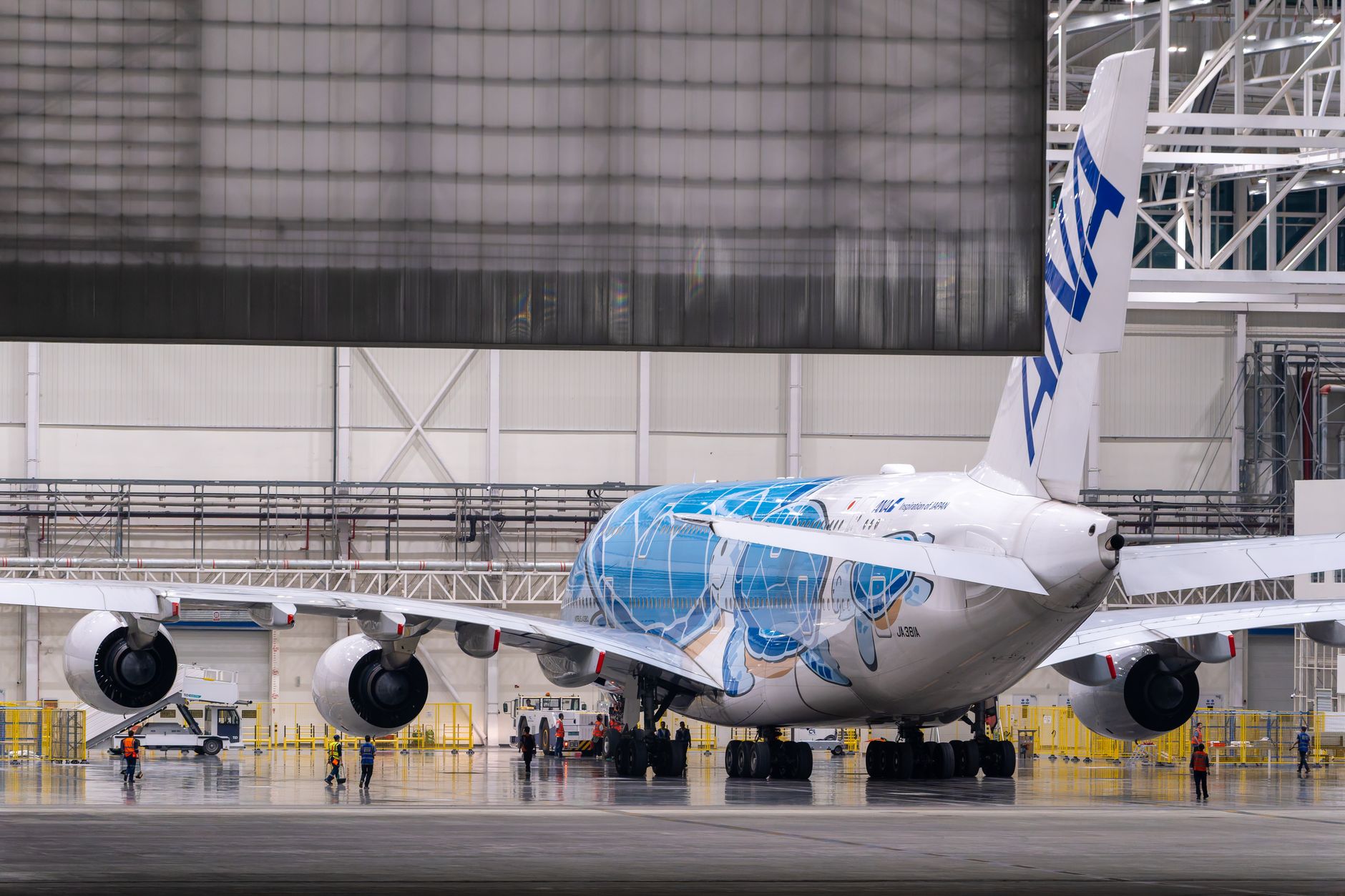
Program Details and Technical Scope
According to the Calcalist Tech report, the aircraft completed its first flight successfully, clearing a key certification and commercialization hurdle for IAI’s aviation division. The conversion involves structural and systems modifications to transform the aircraft from passenger to full freighter service, including the installation of a main-deck cargo door and reinforced flooring to handle freight loads. IAI has not publicly disclosed the specific maximum payload figure for the A330 variant, and full technical specifications were not detailed in the available reporting.
The program reflects a deliberate strategic expansion by IAI beyond its established Boeing conversion lines. The A330 is operated by carriers worldwide, giving IAI access to a substantially larger potential customer pool than platforms where it already holds conversion credentials. Securing supplemental type certificate approval from the relevant aviation authorities remains the next critical gate before IAI can deliver converted aircraft to commercial customers at scale.
Industrial and Competitive Significance
IAI’s move into A330 conversions puts it in direct competition with established players in the passenger-to-freighter market, including ST Engineering and EFW, which is an Airbus and ST Engineering joint venture that has operated its own A330 conversion program for several years. The freighter conversion business has become increasingly competitive as airlines and cargo operators have sought cost-effective alternatives to new-build freighters, particularly as supply chain pressures have extended delivery timelines for aircraft ordered directly from manufacturers.
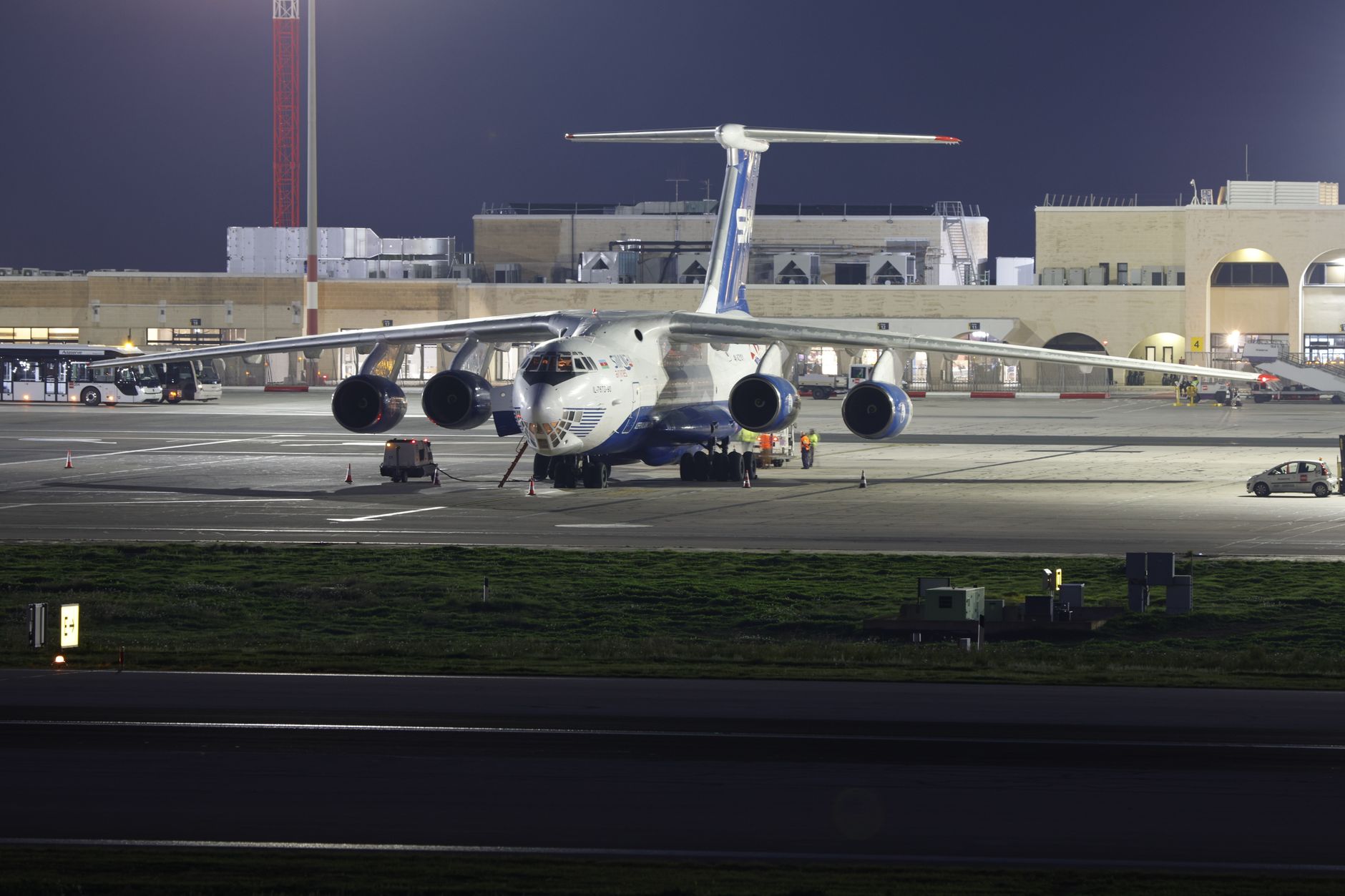
For IAI, a successful A330 program would diversify revenue streams within its aviation group at a time when the broader defense and aerospace industrial base is under pressure to sustain commercial activity alongside government contracts. The company has previously demonstrated the ability to translate conversion expertise into long-term maintenance and modification relationships with operators, a model it will likely pursue with A330 customers as the program matures. Deliveries and firm customer commitments beyond the initial test aircraft have not been announced, and certification timelines remain unconfirmed in current reporting. IAI’s aviation programs have historically attracted international industrial partnerships of the kind that could accelerate regulatory approvals across multiple jurisdictions.