HACM Hypersonic Cruise Missile Completes First Captive-Carry Release at Australian Test Range
The U.S. Air Force’s Hypersonic Attack Cruise Missile completed its first release over an Australian test range, marking a key program milestone.
The U.S. Air Force’s Hypersonic Attack Cruise Missile — known as HACM — has completed its first release over a test range in Australia, marking a significant milestone for one of the Pentagon’s most closely watched advanced-strike programs. The test represents the first time the weapon has been physically separated from a carrier aircraft under controlled conditions, a critical step before any powered flight demonstration can take place. Coverage of the milestone was first reported by The War Zone, which detailed the event and its program significance.
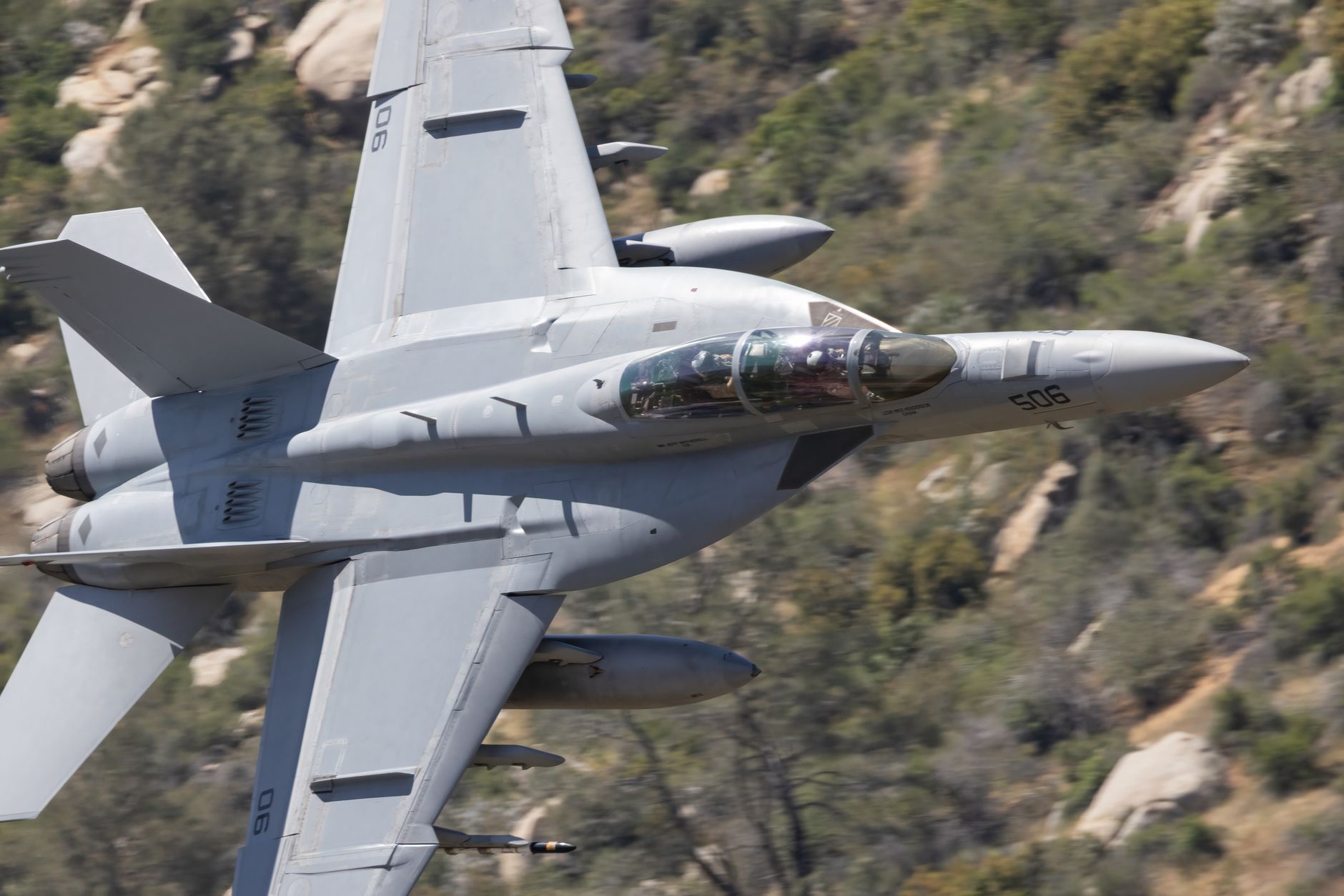
The Naval Air Systems Command confirmed the event through an official announcement posted to its social media account, describing the release as a milestone for the joint program.
What the Release Test Demonstrates
A release test — sometimes called a separation test — evaluates whether a weapon cleanly departs from its launch aircraft without unsafe aerodynamic interaction, and whether it follows the predicted ballistic or glide trajectory after separation. It is distinct from a powered flight test, in which the weapon’s own propulsion system ignites and drives it to hypersonic speeds. The Air Force and NAVAIR have not confirmed whether the HACM’s scramjet propulsion was active during this event, and The War Zone noted that details on the test’s full scope remain limited.
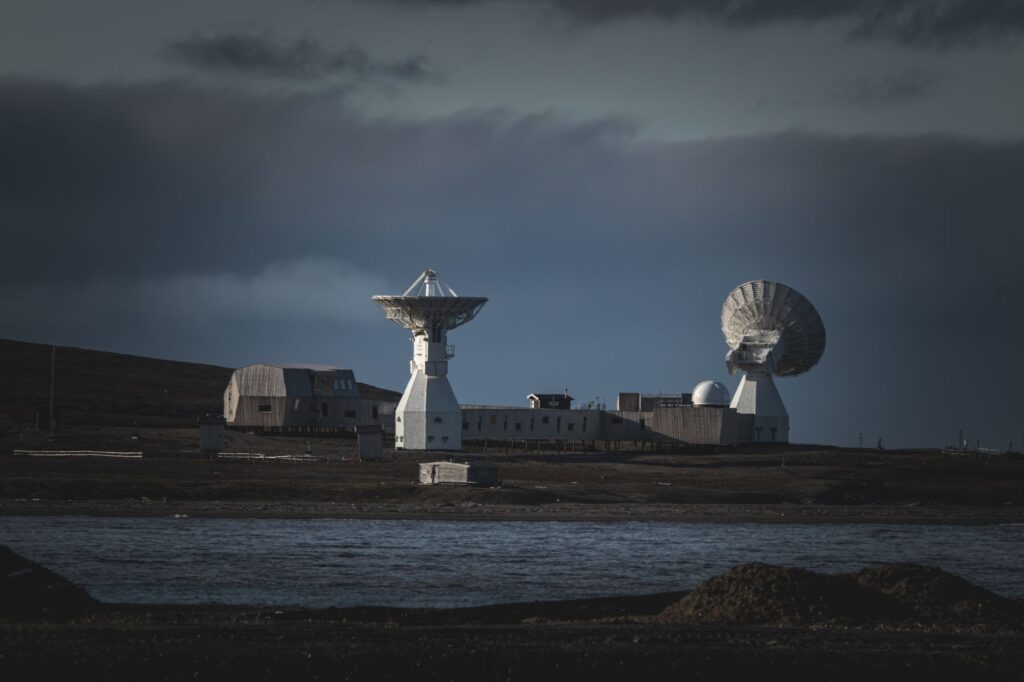
The choice of Australia as a test location is operationally significant. The Woomera Test Range and associated facilities in the Australian interior offer the kind of extended, uninhabited overland corridors that hypersonic weapon tests require — distances and safety footprints that are difficult to replicate at domestic U.S. ranges. The test also reflects the deepening defense-technology collaboration between Washington and Canberra under the AUKUS framework, which has made Australia an increasingly routine partner for advanced U.S. weapons development and testing. Progress on HACM comes as the hypersonic strike portfolio across the services continues to advance toward operational fielding timelines.
Program Context and Strategic Stakes
HACM is being developed by Raytheon — now RTX — under a contract awarded by the Air Force in 2022. The weapon is designed to be an air-breathing, scramjet-powered hypersonic cruise missile capable of striking time-sensitive or defended targets at ranges and speeds that compress an adversary’s reaction time. Unlike boost-glide hypersonic weapons, which ride a ballistic arc before gliding to their targets, cruise missiles like HACM sustain powered flight throughout their trajectory, which creates different — and in some respects more complex — engineering demands for both propulsion and guidance.
The Air Force has not publicly disclosed HACM’s intended operational range, top speed, or planned carriage platforms beyond confirming that an aircraft was involved in this test. Program officials have also not released a projected initial operational capability date. What the release test does confirm is that hardware integration between the weapon and its launch aircraft has advanced far enough to conduct real-world separation events — a threshold that many hypersonic programs have struggled to reach on schedule. The milestone will be closely watched by both program advocates and congressional overseers who have scrutinized the pace and cost of the Pentagon’s broader hypersonic weapons portfolio in recent years.