FBI Probes Recovery of F-35 Components by Chinese Nationals, as Pentagon Weighs Classified Risk
FBI confirms investigation after F-35 canopy and weapons-bay door were reportedly recovered by Chinese nationals. Here is what is confirmed.
A viral story about sensitive F-35 components falling into Chinese hands has attracted sustained attention across defense circles, and for good reason — but the confirmed facts differ meaningfully from the more alarming claims circulating online. According to War Zone’s reporting, the core of the story is real: an F-35 canopy and a weapons-bay door were lost during separate incidents, and the FBI has confirmed it is investigating the matter. Understanding where the documented record ends and speculation begins is essential for assessing the actual national-security exposure. Those tracking broader patterns of Chinese intelligence collection against U.S. military programs may also want to review GDD’s earlier coverage of Pentagon China-focused analytical capacity and the pressures it is under.
The FBI’s involvement was made public through an official statement posted to the bureau’s verified X account, confirming that federal agents are actively investigating the recovery of the F-35 parts by individuals with connections to China.
What the Confirmed Record Shows
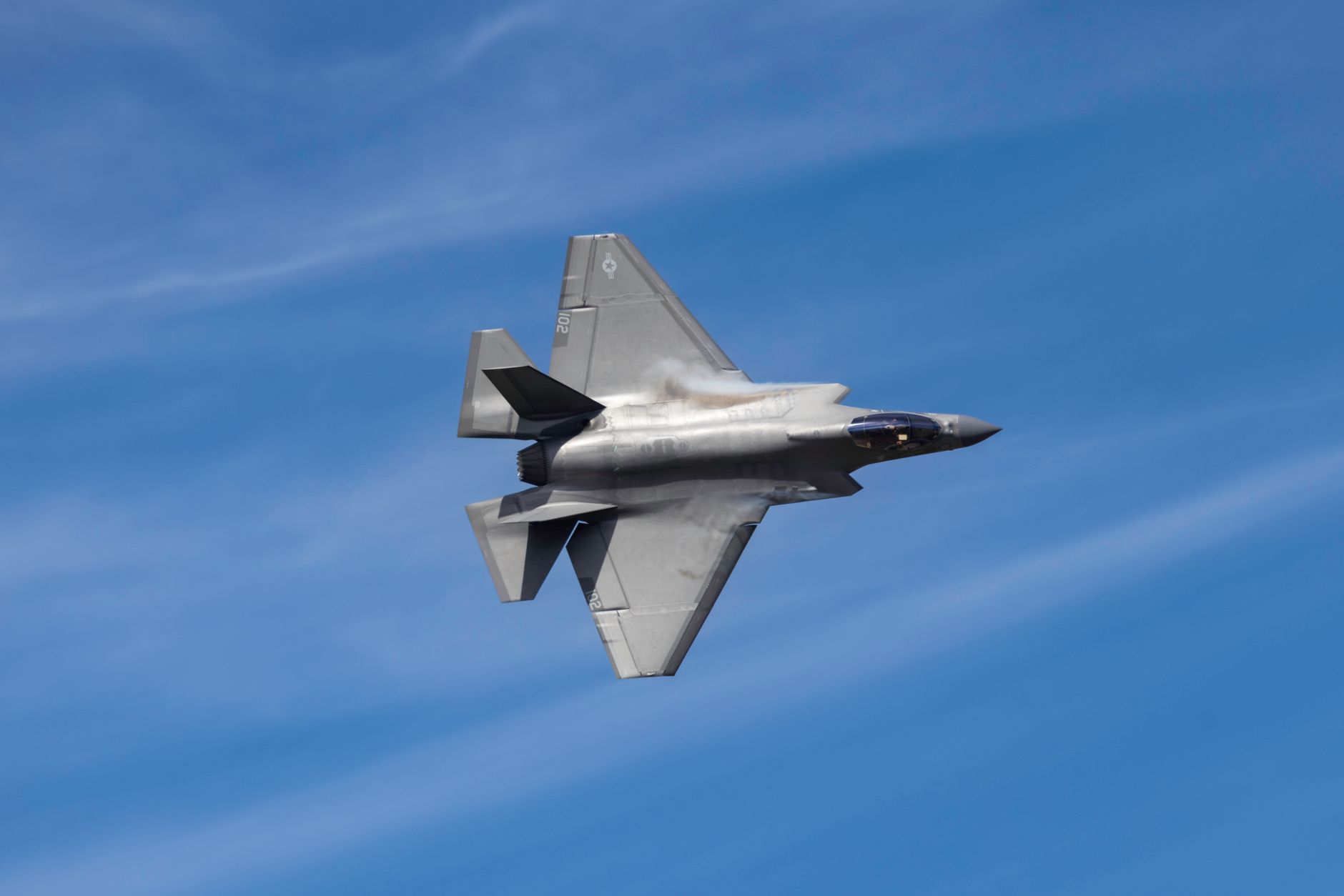
The War Zone’s investigation found that the canopy loss and the weapons-bay door loss appear to be distinct incidents rather than a single coordinated recovery event. The publication noted that F-35 components, particularly canopies, can separate from aircraft under specific aerodynamic or maintenance conditions, and their loss does not automatically imply adversary collection — but confirmed Chinese involvement in recovery transforms a maintenance concern into a potential counterintelligence problem of a different order.
The F-35 canopy, in particular, carries potential intelligence value. The transparency materials used in fifth-generation fighter canopies are engineered to support sensor integration and low-observable performance characteristics. Any opportunity to examine the composition or manufacturing tolerances of such a component could, in principle, inform adversary research and development programs. The weapons-bay door similarly involves design features tied to the aircraft’s stealth profile. Neither the Pentagon nor the FBI has publicly stated what, if anything, was gleaned from the components before or after federal agents became involved.
Separating Verified Claims from Online Amplification
Much of the social media coverage surrounding this story overstated what is publicly known. Claims that China had gained full access to intact classified subsystems, or that the incidents represent a deliberate theft operation, go beyond what officials have confirmed. The War Zone was explicit in its fact-checking function, walking through which elements of widely shared accounts were grounded in sourced reporting and which were extrapolation or fabrication. That distinction matters because overstated narratives can distort policy debates and, in some cases, inadvertently surface operational security details through the process of public denial.

The episode arrives against a backdrop of sustained Chinese efforts to collect technical intelligence on U.S. defense platforms through varied means, including open-source exploitation, insider threats, and opportunistic physical recovery. For context on how the Pentagon is managing its institutional capacity to analyze those threats, see GDD’s prior reporting on China aerospace analysis preservation efforts inside the department. The FBI investigation remains active, and the full scope of any compromise — if one occurred — is unlikely to be disclosed publicly given the classification sensitivities involved.