Elbit’s U.S. Subsidiary Drops Its Parent’s Name in Bid to Deepen Pentagon Ties
Elbit Systems of America rebrands as Twenty-Six Defense, signaling a push for greater independence and deeper U.S. defense market credibility.

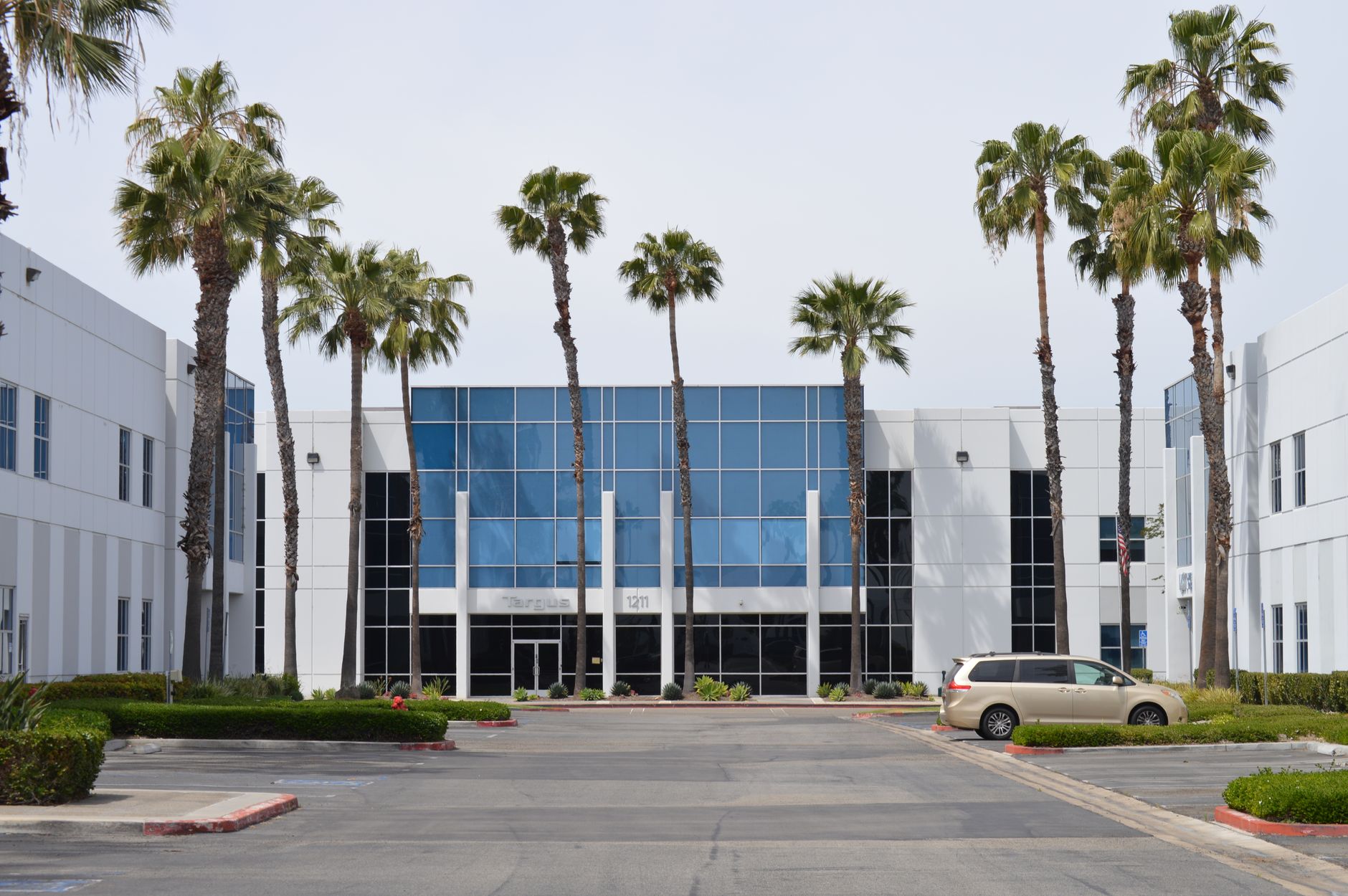
Elbit Systems of America, the Fort Worth-based U.S. subsidiary of Israeli defense electronics giant Elbit Systems, has rebranded as Twenty-Six Defense, according to Breaking Defense. The name change, reported in September 2026, represents one of the more deliberate identity shifts by a major foreign-owned defense subsidiary in recent memory — stripping the parent company’s name from the U.S. operating entity entirely and replacing it with a designation designed to read as an independent American defense firm.
The move comes as competition for U.S. government contracts has intensified, and as foreign-owned primes face increasing scrutiny from procurement officials and lawmakers attentive to supply-chain provenance and industrial-base concerns. For context on how foreign-linked defense firms are navigating the U.S. market, the Elbit counter-drone platform awarded to the Netherlands illustrates the parent company’s broader international footprint that the new branding seeks to decouple from the American operation’s identity.
What the New Name Signals
Twenty-Six Defense takes its name from the 26th letter of the alphabet — a reference, the company indicated, to the idea of going beyond the conventional, according to Breaking Defense’s reporting. The rebranding is not a structural spinoff; the subsidiary remains owned by Elbit Systems. But company leadership has framed the new identity as a reflection of the unit’s operational autonomy and its ambition to be regarded on its own terms within the U.S. defense industrial base, rather than as an extension of a foreign parent.
That framing carries practical weight. U.S. defense procurement has grown more sensitive to the national origins of prime contractors and their subsidiaries, particularly in areas touching on sensitive technologies, classified programs, and supply chains. A subsidiary operating under a distinctly American brand — with its own leadership, domestic manufacturing footprint, and separate contracting identity — may face fewer friction points in certain competitive bids than one whose name immediately surfaces a foreign affiliation for program managers and contracting officers.
Industrial Footprint and Program Scope
Elbit Systems of America has, over the years, built a substantial presence across U.S. defense programs, spanning areas including soldier systems, avionics, night-vision technology, and training systems. Breaking Defense’s reporting does not specify which active programs or contracts will carry the Twenty-Six Defense name going forward, nor whether existing contract vehicles will require administrative modification. Officials have not confirmed a timeline for the full transition of branding across all programs and facilities.
The rebrand also arrives at a moment when defense-technology investment, including from venture and private-equity sources, is flowing heavily into U.S.-based firms with autonomous and sensor-focused portfolios — areas where the former Elbit America has competed. That broader dynamic, explored in coverage of AI autonomous systems investment trends, underscores the competitive environment in which Twenty-Six Defense will now present itself. Whether the name change materially accelerates the company’s position in new program competitions remains to be seen, but the strategic intent — to be evaluated as an American defense company first — is unambiguous.
Breaking Defense, which first reported the rebrand, did not publish additional financial disclosures or contract announcements accompanying the name change. The company has not indicated any change to its ownership structure, executive leadership, or operational reporting lines to Elbit Systems’ headquarters.