Marines Get Anti-Drone Ammunition From a Startup You Have Never Heard Of
Drone Round is supplying the Marine Corps with purpose-built anti-drone ammunition as small UAS threats reshape infantry priorities.

A small defense startup called Drone Round has emerged as a supplier of purpose-built anti-drone ammunition to the United States Marine Corps, according to Military Times. The company’s product is designed to allow infantry Marines to engage small unmanned aerial systems using existing small-arms platforms, without requiring dedicated counter-UAS hardware or fire-control systems. The development reflects a broader shift in how the ground forces are approaching the drone threat — not solely through expensive electronic-warfare suites or interceptor missiles, but through low-cost, widely distributed kinetic solutions available to the individual warfighter. As autonomous teaming concepts advance across domains, pressure has grown on ground forces to find scalable answers to cheap, proliferating UAS.
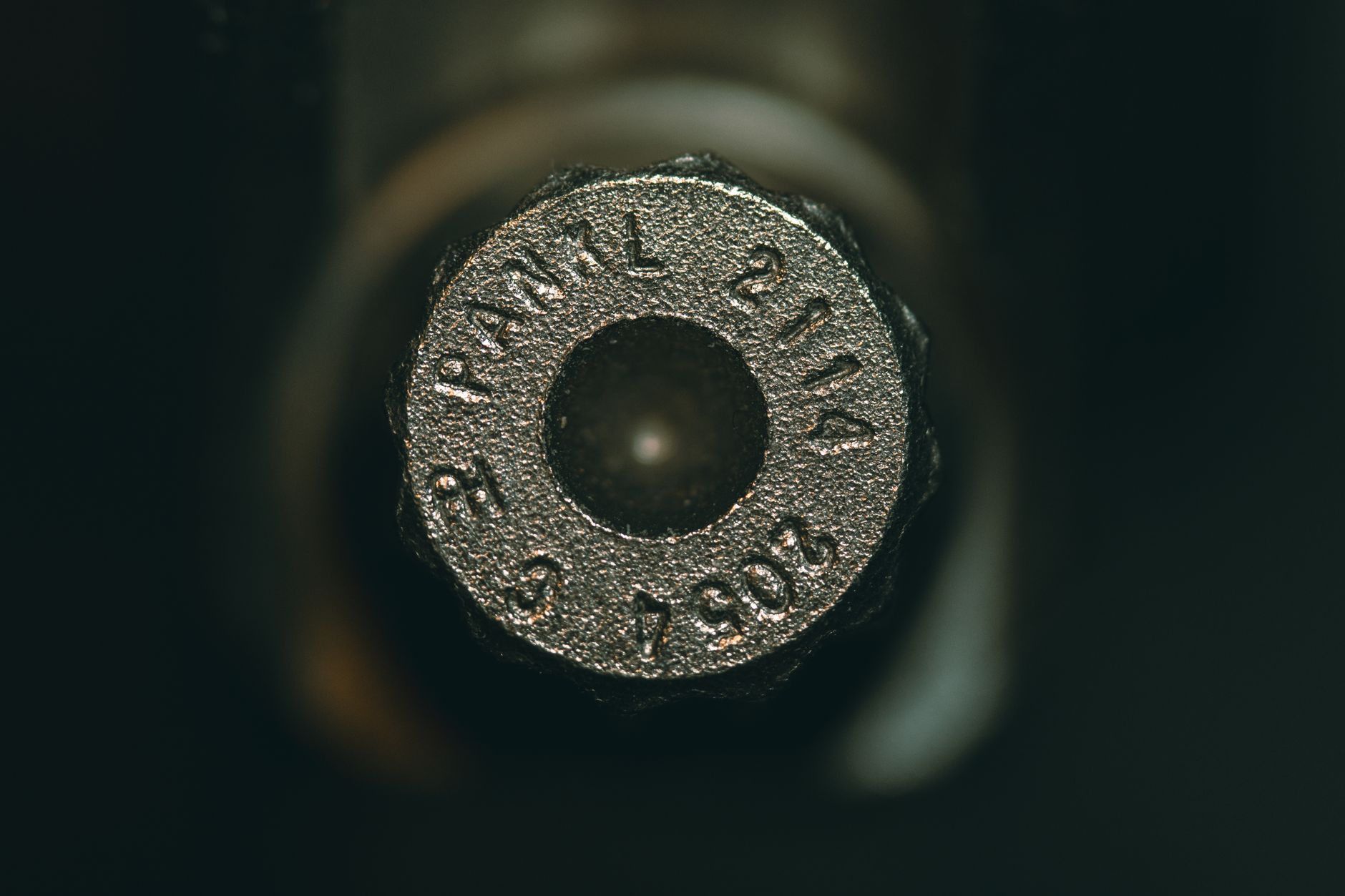
The Military Times report identified Drone Round as the company behind the rounds being fielded, though additional contract values, unit quantities, and delivery timelines were not disclosed in the available reporting. Officials have not confirmed the full scope of the procurement or whether the Marine Corps intends to expand the program beyond an initial fielding.
Engineering a Round for a New Threat
Drone Round’s core premise is that defeating small commercial and military-grade drones with standard ball ammunition is an unreliable proposition. Small UAS present a narrow cross-section, often fly erratically, and can absorb hits that would not reliably bring them down. The company’s ammunition is engineered to improve terminal effectiveness against precisely these characteristics, though specific technical details about the round’s construction — such as payload type, caliber compatibility, or effective engagement range — were not fully detailed in the Military Times reporting.
The approach aligns with a growing recognition across NATO militaries that counter-drone capability cannot be concentrated solely at the platoon or company level in dedicated systems. Battlefield experience, particularly from conflicts in Eastern Europe and the Middle East, has demonstrated that small drones can saturate defensive positions faster than dedicated interceptors can respond. Providing every rifle squad with a kinetic option, even a modest one, distributes the counter-UAS burden across the entire force.

Industrial Significance and the Small-Vendor Shift
Drone Round’s emergence as a Marine Corps supplier is noteworthy in itself. The company fits a pattern of small, mission-specific defense startups winning early contracts in emerging capability areas where legacy primes have not yet developed competitive products. The counter-small-UAS market has attracted a dense field of new entrants over the past several years, spanning electronic warfare jammers, net-based interceptors, directed-energy systems, and now purpose-designed kinetic ammunition. That Drone Round secured a supply relationship with a major service branch suggests the Marines found a gap in their organic counter-drone toolkit that existing inventory — including standard rifle and machine-gun ammunition — was not adequately filling.
How the program scales will depend on performance data from fielded units and whether the Marine Corps formalizes a larger procurement. The service has not publicly stated whether Drone Round holds an exclusive arrangement or whether the ammunition is being evaluated alongside competing products. For now, the company occupies an unusual position: a little-known startup supplying a solution to one of the most tactically urgent problems facing ground forces in modern warfare. The drone-warfare economy has shown that small, agile manufacturers can move faster than traditional defense contractors when the requirement is new enough that no established program of record exists to crowd them out.