China’s Oil Purchases Are the Linchpin Keeping Iran’s Economy Afloat Despite Western Pressure
Beijing’s continued purchase of Iranian oil is blunting the impact of U.S. sanctions, analysts warn, leaving Tehran far from economic collapse.
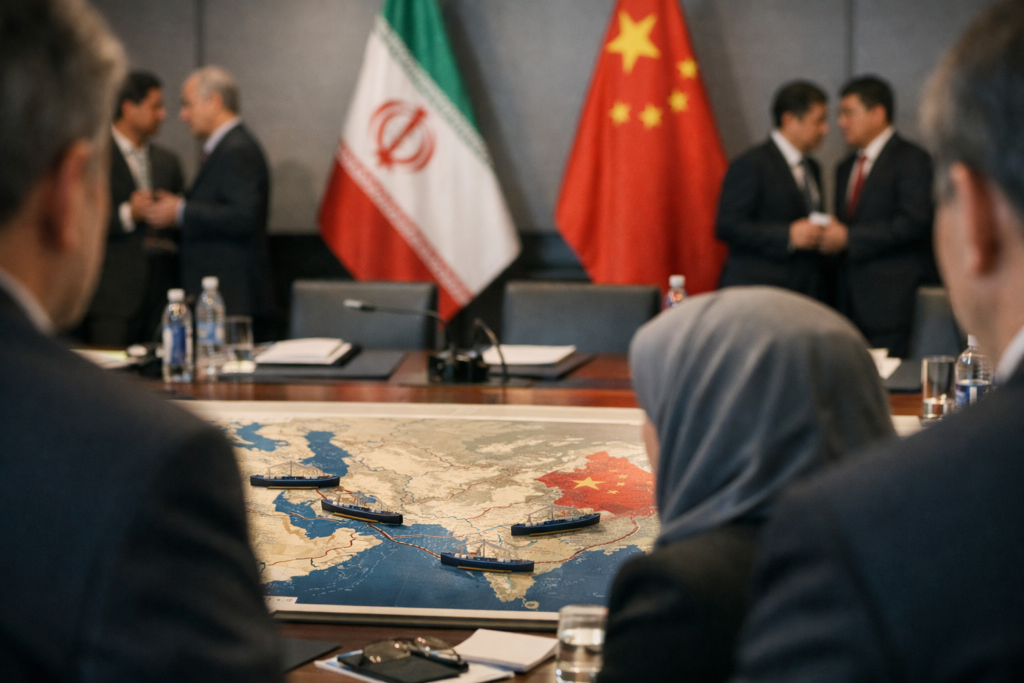
Western sanctions on Iran have tightened considerably in recent months, but a critical variable continues to undercut their effectiveness: China’s refusal to curtail its purchases of Iranian oil. Without Beijing’s cooperation, analysts and policymakers increasingly agree that any effort to impose a decisive economic breaking point on Tehran will fall well short of its goals. As Forbes analysis published August 25 makes clear, the architecture of modern sanctions enforcement is only as strong as the willingness of major buyers to participate — and China, Iran’s largest trading partner, has shown little inclination to do so.
The strategic dimension of this problem is not new, but it has grown more acute. As GDD has reported, sanctions enforcement against Tehran has long depended on whether Washington can pressure or incentivize Beijing to close the gap that secondary markets create. That leverage has proved difficult to sustain, particularly as U.S.-China relations remain strained across trade, technology, and military domains.

China as Iran’s Economic Anchor
Iran’s economy has suffered measurably under the weight of accumulated sanctions. Inflation, currency depreciation, and restricted access to international financial systems have all taken a toll. But the Forbes report by Natasha Lindstaedt argues that these pressures have not translated into the kind of existential economic crisis that might force a fundamental shift in Iranian policy, precisely because Chinese demand for discounted Iranian crude continues to provide Tehran with a significant revenue stream.
China’s purchases allow Iran to monetize its primary export despite being locked out of Western markets. The arrangement suits Beijing as well: sanctioned Iranian oil trades at a discount relative to global benchmarks, giving Chinese refiners a cost advantage. The result is a relationship of mutual convenience that Washington’s unilateral measures have so far been unable to break. The Forbes analysis underscores that without multilateral enforcement — specifically Chinese participation — the economic pressure campaign against Iran lacks the compression needed to force a strategic concession.
The Enforcement Gap and Its Strategic Consequences
The practical limits of the current sanctions architecture have direct consequences for nonproliferation diplomacy and regional security. If Tehran can sustain sufficient revenue through Chinese oil sales, its calculus on nuclear negotiations, proxy support, and military development is unlikely to change in ways that Western capitals are seeking. Iran’s Revolutionary Guard exercises and broader regional posture have continued unabated, suggesting that economic pressure alone has not yet produced meaningful behavioral change.
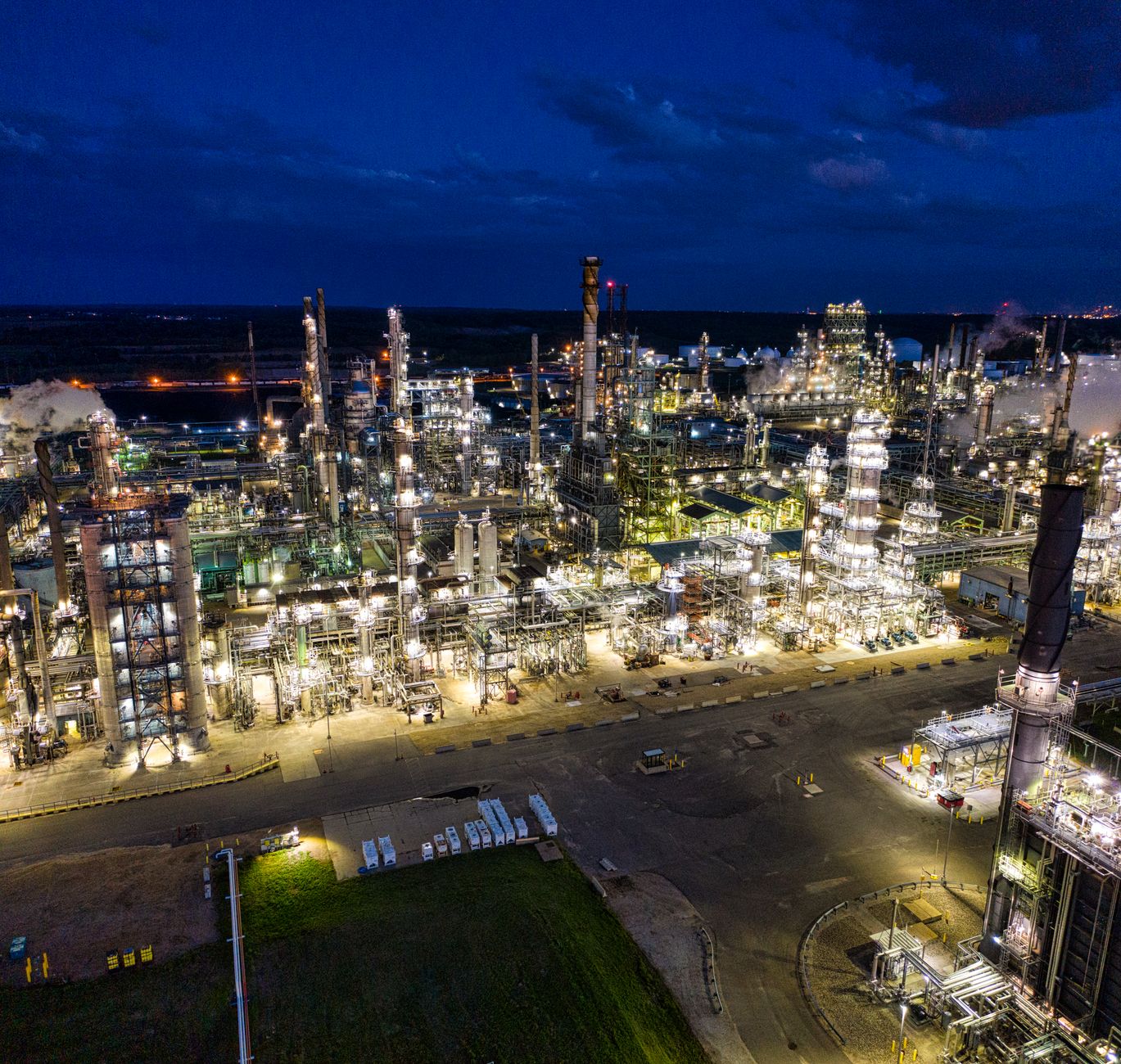
Lindstaedt’s analysis identifies this as a structural problem rather than a temporary enforcement lapse. Secondary sanctions — U.S. measures designed to penalize third-country entities that do business with Iran — have had some effect on smaller intermediaries and shipping firms, but applying them with full force against Chinese state-linked enterprises carries escalatory risks that Washington has historically been reluctant to absorb. The result is an enforcement ceiling that Iran’s leadership appears well aware of and has learned to operate beneath.
The broader implication for U.S. policy is that coercive economic tools, however extensive on paper, require coalition enforcement to achieve the kind of pressure once described as capable of bringing Tehran to a breaking point. Until the calculus in Beijing shifts — whether through diplomatic negotiation, countervailing incentives, or broader geopolitical realignment — analysts cited in the Forbes report suggest that Iran’s economy, while stressed, will retain enough oxygen to avoid the collapse scenario that maximum-pressure proponents have long anticipated.