Capitol Police Seek National Guard Deployment Ahead of Pro-January 6 Demonstration at Capitol
Capitol Police have formally requested National Guard assistance for the Sept. 18 rally supporting those charged in the Jan. 6 Capitol riot.
The U.S. Capitol Police have formally requested National Guard support to help secure the Capitol complex ahead of a planned September 18 rally organized in support of individuals charged in connection with the January 6 Capitol riot, according to Military Times. The request marks a significant security mobilization for an event that law enforcement and congressional officials have been monitoring closely in the weeks leading up to the demonstration. Questions surrounding the command readiness of domestic security forces have drawn renewed attention since the security failures of January 6.
Capitol Police Chief Tom Manger confirmed the Guard request in a letter to Capitol Hill lawmakers, stating that the department had asked for National Guard personnel to assist with the event. The letter did not specify the exact number of Guard troops being requested, and officials had not publicly confirmed the precise scope of the deployment as of mid-September 2021.
Security Posture and Lessons From January 6
The decision to seek Guard assistance reflects the Capitol Police’s heightened caution following the January 6 breach, during which the department faced widespread criticism for being understaffed and underprepared. In the aftermath of that attack, a slow and complicated process to deploy National Guard reinforcements drew bipartisan condemnation and prompted a series of after-action reviews and congressional hearings examining the breakdown in coordination between Capitol security leadership, the Pentagon, and other federal agencies.
The September 18 rally, organized by a group calling itself Look Ahead America, was being promoted as a demonstration of solidarity with defendants facing criminal charges stemming from the January 6 assault. Ahead of the event, intelligence assessments flagged the potential for confrontations, prompting law enforcement agencies across the Washington, D.C. area to coordinate their planning. Capitol Police indicated they were taking no chances given the political sensitivities and the symbolic location of the event.
National Guard’s Expanded Domestic Role Under Scrutiny
The renewed Guard request reignites debate about the appropriate boundaries of military support to civilian law enforcement during domestic events. Following January 6, National Guard troops remained deployed at the Capitol for several months before being stood down, a presence that itself generated controversy about cost, duration, and the optics of a militarized legislative campus. The Guard’s domestic support mission has increasingly drawn congressional and public attention as the service has been called upon for a broadening range of civil contingencies.
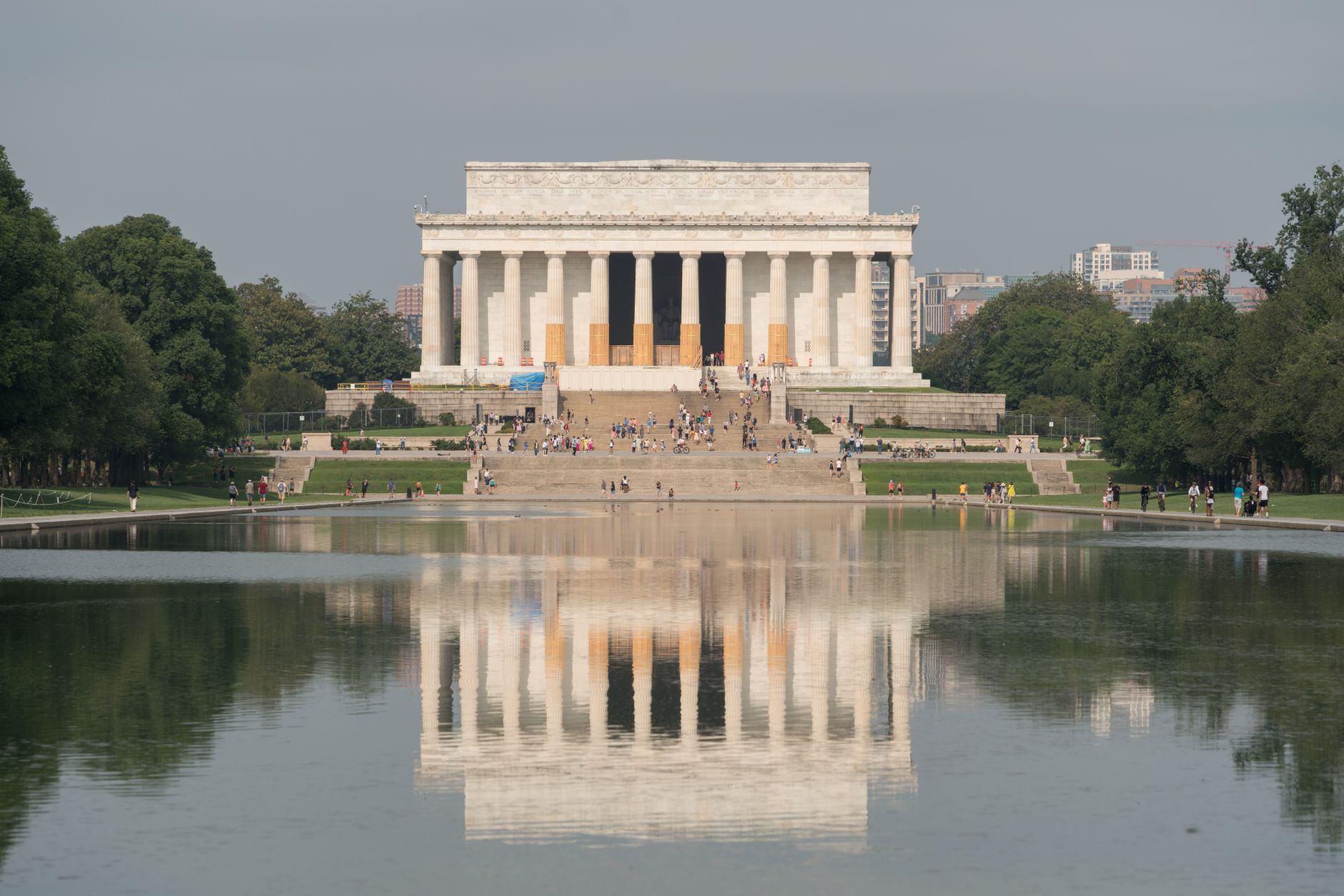
Capitol Police said they were also coordinating with other federal and local law enforcement agencies, though officials did not provide a detailed breakdown of the inter-agency arrangements in the days before the rally. The department indicated that temporary security infrastructure, including fencing, could be reinstalled around the Capitol perimeter if threat assessments warranted it. The extent of those preparations was subject to ongoing review as the event date approached, and officials acknowledged that planning remained fluid.
The September 18 mobilization underscores the lasting operational and institutional consequences of January 6 for Capitol security — consequences that continue to shape budget requests, staffing decisions, and the department’s relationship with military support assets well into the following years. How effectively those lessons have been internalized, and whether the revised coordination mechanisms will perform under pressure, remains an open question for oversight bodies on both sides of the Capitol.