GAO Flags Cost Overruns and Schedule Slippage Across B-52 Upgrade Programs
A GAO watchdog review finds the Air Force’s B-52 modernization programs facing delays and rising costs across multiple upgrade efforts.

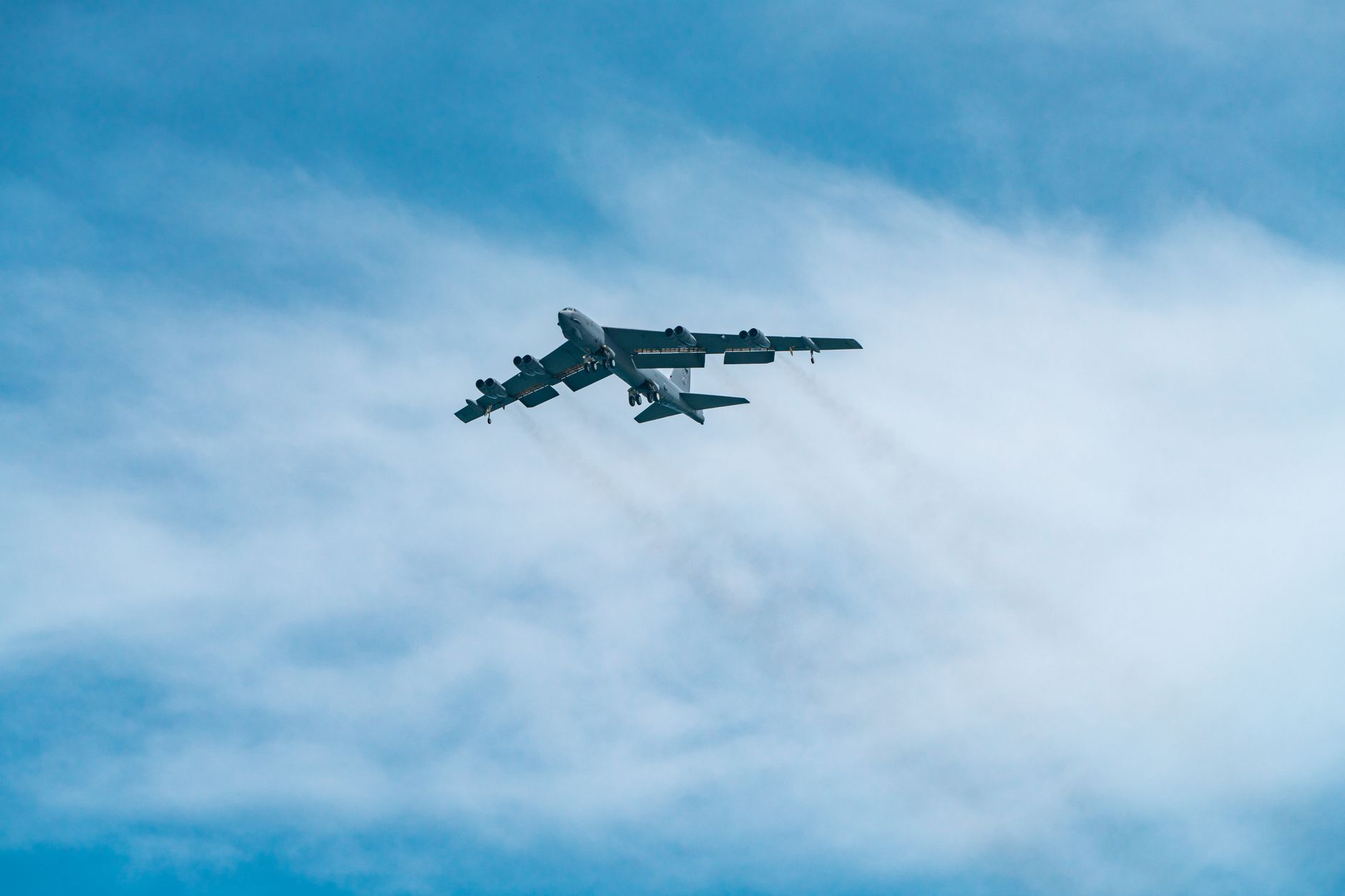
The U.S. Air Force’s effort to modernize the B-52 Stratofortress — the backbone of America’s long-range conventional and nuclear strike posture — is running behind schedule and over budget across several key upgrade programs, according to a Government Accountability Office review detailed by Task and Purpose. The findings add the venerable bomber to a growing list of major defense acquisition programs struggling to meet original cost and timeline projections.
The GAO assessment examined multiple concurrent modernization efforts intended to keep the B-52 operationally relevant well into the 2050s. For a platform that first flew in 1952, the stakes of getting these upgrades right — and on time — carry considerable strategic weight, particularly as the Pentagon looks to sustain its nuclear triad while managing competition with China and Russia. Readers following broader modernization challenges across the services may also want to review GDD’s earlier coverage of GPS receiver testing programs facing similar deadline pressures.
What the GAO Found
The watchdog’s review found that the B-52’s Commercial Engine Replacement Program, known as CERP, is among the efforts experiencing delays. That program is designed to replace the bomber’s aging TF33 engines with newer commercial-derived powerplants, a change the Air Force has long argued would substantially reduce fuel consumption and maintenance costs over the aircraft’s extended service life. The GAO reported that the program has encountered schedule slippage, though officials have not publicly confirmed the precise extent of the delay or revised delivery timelines in granular detail.
Beyond the engine replacement effort, the GAO review pointed to cost growth and schedule challenges across additional B-52 upgrade lines. The report did not characterize any single program as catastrophically off-track, but the cumulative picture of multiple simultaneous upgrades each running into headwinds raises broader questions about the Air Force’s capacity to manage a complex, multi-front modernization of a single airframe. The GAO’s findings are consistent with patterns the office has documented repeatedly across large defense programs — optimistic early baselines that give way to revised estimates as engineering realities set in.
Strategic Implications of a Delayed Fleet Upgrade
The B-52 remains central to U.S. strategic deterrence. The Air Force operates the aircraft in both conventional and nuclear roles, and the platform is expected to carry the new Long Range Stand-Off cruise missile once that weapon enters service. Delays in modernization efforts risk creating gaps between the retirement of older systems and the fielding of their replacements, compressing the operational margin the service needs to maintain credible deterrence. The B-52’s longevity has always depended on continual investment, and the GAO findings suggest that investment is not proceeding as planned.

The Air Force has not publicly disputed the GAO’s characterization of the programs. Defense acquisition watchdogs have noted that the B-52 modernization portfolio is unusually complex in that it involves upgrading avionics, engines, communications systems, and weapons interfaces more or less simultaneously — each effort managed on its own program timeline, but all interdependent in practice. Cost growth in one area can cascade into schedule pressure in another, a dynamic the GAO has flagged as a structural risk in its reporting. The Pentagon’s broader defense industrial pressures are equally relevant context; GDD’s coverage of HII’s unmanned expansion illustrates how acquisition programs across the force are being asked to scale under sustained budgetary strain.
Congress is expected to scrutinize the findings during upcoming defense authorization deliberations. The GAO did not recommend cancellation of any B-52 upgrade program, and the Air Force has indicated it remains committed to the fleet’s long-term modernization. How the service responds to the watchdog’s specific cost and schedule findings — and whether it requests additional funding or accepts further schedule adjustments — will determine whether the delays remain manageable or compound into more serious capability gaps.