Canberra Secures Rights to AIM-260, Making Australia the Missile’s First Export Customer
Australia will become the first foreign nation to operate the AIM-260 JATM, a next-generation air-to-air missile designed to outrange the Chinese PL-15.

Australia is set to become the first foreign operator of the AIM-260 Joint Advanced Tactical Missile (JATM), a next-generation beyond-visual-range air-to-air missile developed by Lockheed Martin to replace the AIM-120 AMRAAM. The War Zone first reported the development, a milestone that signals both the maturity of the previously classified program and Washington’s willingness to share a cutting-edge capability with a close Indo-Pacific ally. The move comes as Australia continues to deepen its defense integration with the United States under the AUKUS framework and broader alliance obligations in a region where Chinese air power is rapidly advancing. Given the AIM-260’s development lineage — explicitly aimed at countering long-range threats like China’s PL-15 missile — the decision carries unmistakable strategic weight.
The AIM-260 has been developed with a level of secrecy unusual even for advanced weapons programs. The U.S. Air Force acknowledged the program’s existence only in 2019, and detailed specifications remain classified. What is known, according to The War Zone’s reporting, is that the missile is designed to outrange the AIM-120 AMRAAM and was developed in direct response to adversary long-range air-to-air missile developments, particularly from China. Granting Australia first-foreign-operator status places Canberra ahead of other longstanding U.S. allies in the queue for a weapon the Air Force has not yet fully disclosed publicly. The decision is also consistent with the broader trend of the United States accelerating advanced capability transfers to trusted partners in the Indo-Pacific, a dynamic that has been reshaping alliance defense postures across the region. For context on parallel U.S. efforts to field advanced air-launched precision munitions, see GDD’s earlier coverage of long-range JDAM production.
Platform Integration and Indo-Pacific Context
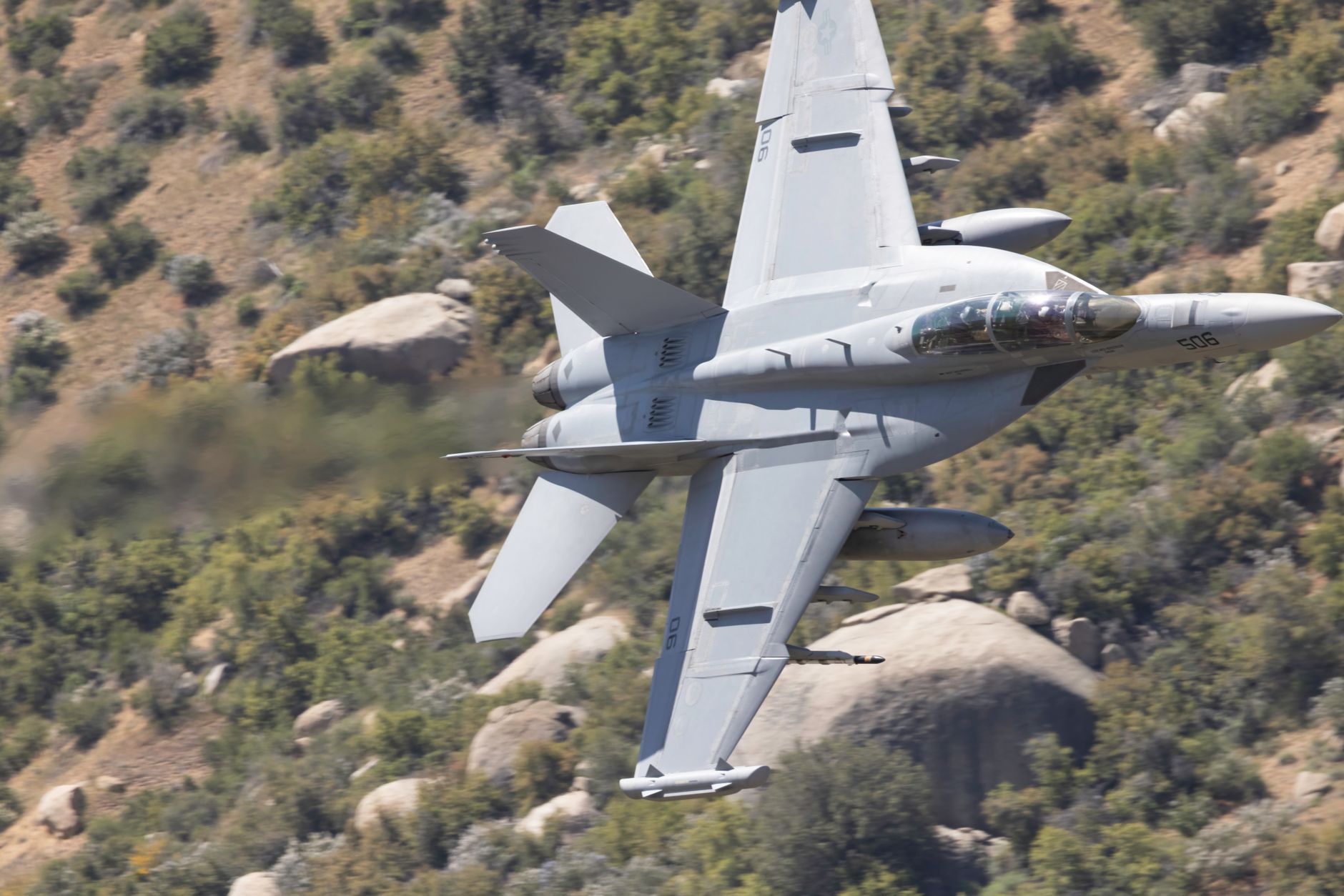
Australia operates the F/A-18F Super Hornet and the EA-18G Growler, and is also receiving the F-35A Joint Strike Fighter — all platforms that could potentially carry the AIM-260. The War Zone’s report does not specify which Australian platform or platforms are designated for AIM-260 integration, and officials have not confirmed a timeline for operational fielding. What is clear is that the Royal Australian Air Force would gain a beyond-visual-range missile capability that the U.S. Air Force itself has only recently been bringing into operational readiness, putting Australia on the forward edge of Western air combat armament.
The Indo-Pacific dimension is difficult to overstate. Australia sits within potential operating ranges of Chinese air assets, and the PL-15 — the missile the AIM-260 was partly designed to defeat — has been a recurring point of concern in U.S. and allied air combat planning. Equipping Australian aircraft with the JATM would give the Royal Australian Air Force a credible counter to that threat class, reinforcing the joint lethality that underpins extended deterrence in the region. The transfer also demonstrates that the AIM-260 program has reached a maturity threshold sufficient for export licensing, a significant bureaucratic and technical hurdle for any classified weapon system.
Export Implications and Alliance Signaling
Australia’s designation as the AIM-260’s first foreign operator sets a precedent with implications beyond Canberra. Other U.S. allies operating fourth- and fifth-generation fighters — particularly in Europe and Northeast Asia — will be watching closely to see whether export approvals follow for their own fleets. The selection of Australia first is consistent with the Five Eyes intelligence-sharing structure and the elevated defense-industrial relationship formalized under AUKUS, which has already produced agreements on nuclear-powered submarine technology and advanced capabilities sharing.
The announcement also reinforces a pattern of the United States moving to ensure allied aircraft are not outmatched in the beyond-visual-range envelope — an area where Chinese and Russian missile programs have invested heavily. Autonomous and AI-enabled aerial platforms are increasingly relevant to that same envelope, as GDD has reported in coverage of X-62 intercept trials. Whether the AIM-260 transfer will extend to additional partners, and on what timeline, remains unconfirmed. For now, Australia stands alone as the only nation outside the United States cleared to operate what may be the West’s most capable air-to-air missile.