Pentagon Backs Five Companies to Prototype Mobile Nuclear Microreactors for Forward Bases
The Army has selected five vendors to develop nuclear microreactor prototypes under a $2.2 billion program to power forward operating bases.
The U.S. Army has awarded prototype agreements to five companies to develop mobile nuclear microreactors capable of powering forward operating bases, a significant step in the service’s decade-long push to reduce dependence on vulnerable fuel supply lines in contested environments. The awards, reported by Breaking Defense, are backed by a contract ceiling of $2.2 billion. The move reflects growing urgency across the Pentagon to secure resilient, independent power sources as great-power competition intensifies and peer adversaries increasingly target logistics infrastructure — a concern that also shapes robotics supply chain deliberations with China.
The program, known as Project Pele, has been in development for several years under the Strategic Capabilities Office. The Army’s goal is a reactor small enough to be transported by truck, aircraft, or ship, yet capable of generating between one and ten megawatts of power — enough to sustain an installation without requiring a continuous stream of diesel fuel convoys that expose troops and contractors to attack.
Five Vendors, One Competitive Path Forward
The five selected vendors will now advance into a prototype phase, with the Army intending to down-select to a smaller number of designs before committing to production. Officials have not publicly disclosed the full identity of all five awardees or the individual contract values assigned to each company at this stage, according to the Breaking Defense report. The competitive structure is designed to preserve design diversity and drive down risk before the Army locks in on a single approach.
The $2.2 billion figure represents the total ceiling of the overall agreement pool rather than a guaranteed obligation to any individual vendor. That distinction matters: each company will need to demonstrate technical and safety progress to draw down further funding, making this as much a structured risk-reduction exercise as a traditional procurement award.
Operational Logic Behind the Program
The strategic rationale for mobile nuclear power is straightforward. Diesel fuel remains the dominant energy source at remote forward operating bases, and the logistical tail required to sustain that supply is both costly and tactically exposed. A single convoy ambush or precision strike on a fuel depot can degrade an entire installation’s operational capacity. A microreactor, by contrast, can generate power for extended periods — potentially years — without resupply, dramatically compressing that vulnerability.
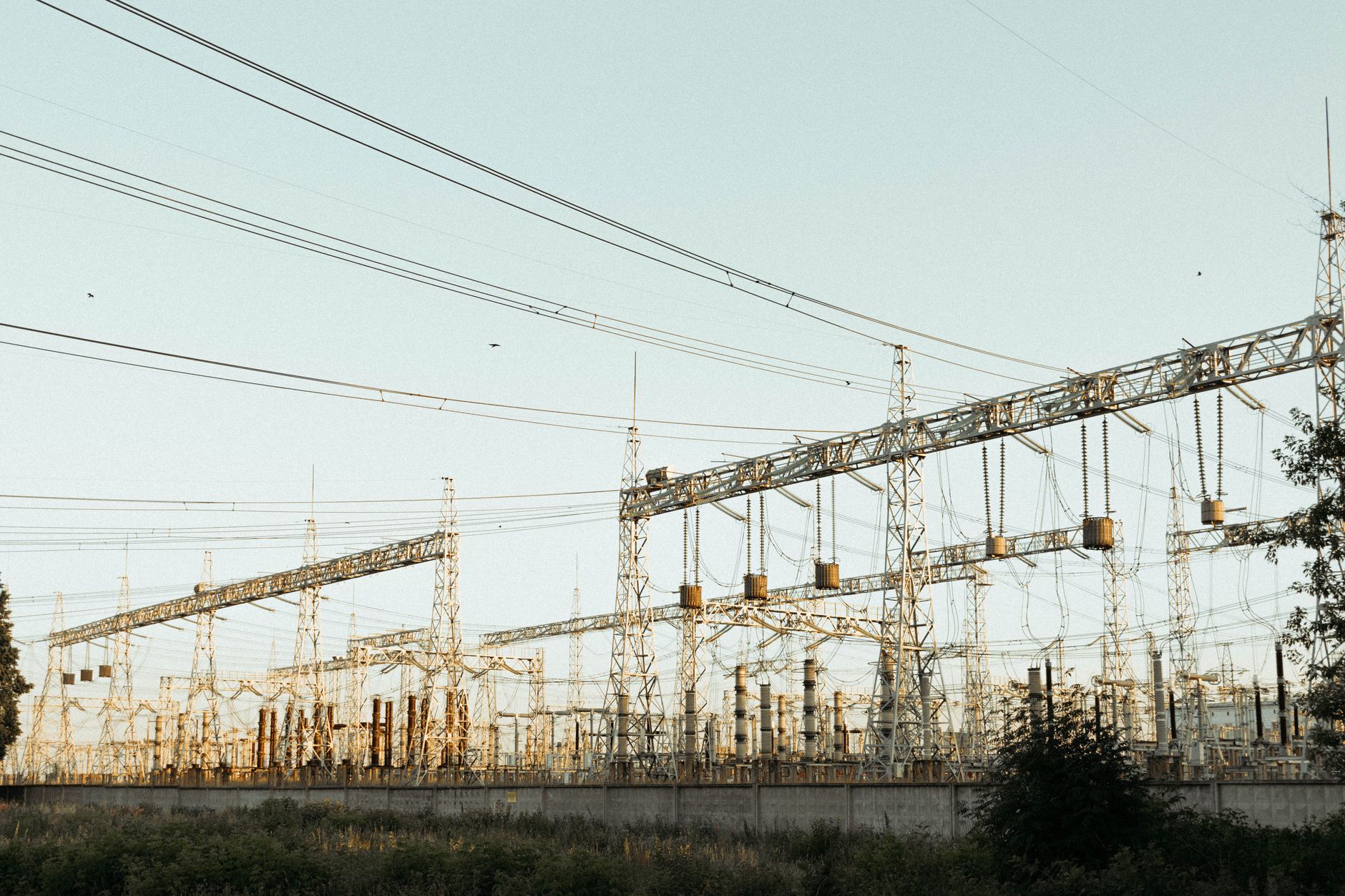
The Pentagon has been explicit that this capability is not narrowly tailored to counterinsurgency. Planners envision microreactors supporting operations in the Pacific, where island-hopping logistics are complex and resupply lines long, as well as in Europe, where high-intensity conflict scenarios would stress conventional fuel networks quickly. That Pacific context connects directly to broader U.S. investments in theater readiness, including the military advisory presence at Taiwan’s major exercises.
Safety and regulatory approvals remain the program’s most significant hurdle. Mobile reactors must satisfy Nuclear Regulatory Commission requirements, and any deployment to a foreign partner nation introduces additional treaty and host-nation consent considerations that do not apply to conventional generators. The Army has not set a confirmed fielding date, and officials acknowledge that the prototype phase will surface technical challenges that cannot yet be fully anticipated. Still, with five vendors now under agreement and $2.2 billion in ceiling authority behind the effort, the program has moved from concept into hardware in a meaningful way.