Germany Shipyard Delivers Singapore’s Newest Coastal Patrol Hull as Sentinel Program Takes Shape
Singapore’s first Sentinel-class offshore patrol vessel was launched at a German shipyard, marking a key milestone in the RSN’s fleet modernization.

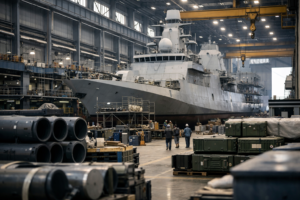
Singapore’s Republic of Singapore Navy has reached a significant procurement milestone with the launch of the first Sentinel-class offshore patrol vessel at a shipyard in Germany, according to a Naval News program report. The ceremony marks the vessel’s formal entry into the water ahead of subsequent fitting-out and sea trials before delivery to Singapore. The event signals that the Sentinel program, one of the Republic of Singapore Navy’s most consequential surface fleet investments in recent years, is advancing on schedule.
The launch comes as regional navies across Southeast Asia continue to modernize and expand their maritime patrol capacities. Singapore’s decision to procure the Sentinel class through a European shipbuilder reflects the city-state’s long-standing practice of sourcing sophisticated naval platforms from allied defense industries while integrating mission systems aligned to its own operational requirements. Similar cross-border naval procurement dynamics have played out elsewhere, including Italy’s submarine program, where domestic fleet priorities are being met through specialized shipyard expertise.

Vessel Design and Program Context
The Sentinel class is intended to serve as a multirole offshore patrol platform for the Republic of Singapore Navy. According to Naval News, the class is designed to conduct a range of maritime security missions, including exclusive economic zone patrols, anti-piracy operations, and humanitarian assistance tasks. The platform reflects a broader trend in small and medium naval powers investing in capable yet cost-efficient patrol hulls rather than heavier frigate-class combatants, which carry substantially higher acquisition and sustainment costs.
Constructing the vessel in Germany rather than domestically or in a regional yard underscores the technical requirements Singapore placed on the program. European shipyards have consistently demonstrated the ability to deliver complex naval surface combatants to exacting specifications, and Germany in particular has a substantial track record supplying patrol and submarine platforms to partner navies. The specific shipyard and precise contract value were not confirmed in available reporting, and officials have not publicly detailed the full order quantity for the Sentinel class.

Strategic and Operational Implications for Singapore
For Singapore, the Sentinel class addresses a practical operational gap. The Republic of Singapore Navy operates in one of the world’s busiest and most strategically contested maritime corridors, including the Strait of Malacca and the South China Sea approaches. Offshore patrol vessels suited to sustained at-sea presence provide the navy with a cost-effective tool for presence operations that would otherwise consume more expensive and complex warships. Fleet diversification of this kind is a recognized priority across Indo-Pacific maritime forces.
The launch in Germany also illustrates how defense partnerships extend well beyond formal alliances. Singapore maintains strong bilateral defense-industrial relationships with multiple European nations, and the Sentinel program deepens its ties to Germany’s naval shipbuilding sector. The next formal milestone will be the completion of outfitting and the commencement of sea trials, after which the vessel will be prepared for transit and delivery to the Republic of Singapore Navy. Officials have not confirmed a projected in-service date based on currently available reporting.