Turbojet Shahed Drones, Once a Rarity Over Ukraine, Are Now Arriving by the Thousands
Russia has rapidly scaled turbojet Shahed drone strikes against Ukraine, turning a once-rare weapon into a high-volume threat.
A drone variant that Russia deployed only sparingly in the early stages of its war against Ukraine has become a fixture of large-scale aerial bombardment campaigns. Turbojet-powered Shahed drones — faster and harder to intercept than their piston-engine predecessors — are now being launched against Ukrainian targets by the thousands, according to Business Insider reporting. The shift represents one of the more consequential evolutions in Russia’s drone strategy since the conflict began. As analysts tracking Russia’s Ukraine campaign have noted, Moscow has consistently adapted its strike toolkit when Ukrainian air defenses prove effective against a given platform.
The turbojet Shahed variants fly approximately twice as fast as the earlier piston-driven models, a performance advantage that compresses the response window for Ukrainian air defense crews and degrades the effectiveness of interceptors optimized against slower targets. That speed differential has made these drones significantly more difficult to engage, even with systems Ukraine has received from Western partners.
From Niche Weapon to Mass Deployment
The turbojet Shahed variants were initially seen in relatively limited numbers over Ukrainian skies, making their appearance noteworthy precisely because they stood apart from Russia’s primary reliance on slower, cheaper piston-engine drones. That calculus has changed substantially. Business Insider’s reporting indicates Russia has now fielded these faster variants in numbers reaching into the thousands, a volume that reflects both expanded domestic production capacity and an operational decision to absorb higher per-unit costs in exchange for greater lethality and survivability against Ukrainian defenses.
The scaling of turbojet production is consistent with broader patterns in Russia’s defense-industrial posture. Moscow has invested heavily in expanding its one-way attack drone manufacturing base since early in the war, progressively reducing its dependence on Iranian-supplied components while increasing domestic output. The move to turbojet variants at scale suggests Russian manufacturers have resolved at least some of the production bottlenecks that initially kept those drones in short supply.
Consequences for Ukrainian Air Defense
The operational pressure created by high-volume turbojet strikes is considerable. Ukrainian air defense networks are required to engage a greater number of faster targets within shorter intercept timelines, placing strain on both munitions inventories and crew readiness. The challenge is not purely technical — it is also economic. Interceptor missiles cost substantially more than the drones they are fired at, and sustaining that exchange rate across thousands of incoming platforms strains the calculus of defense resourcing.
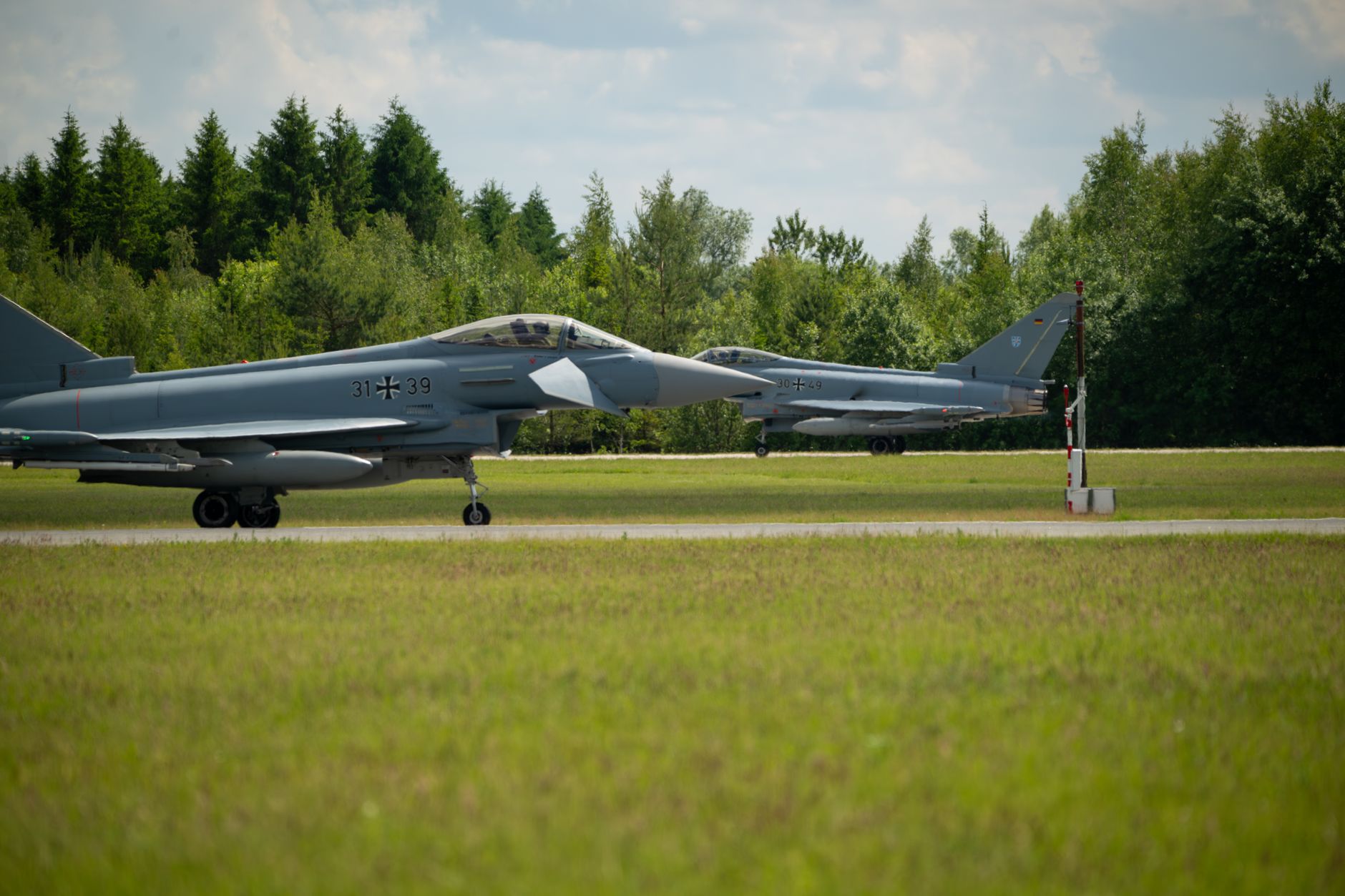
The broader threat picture extends beyond Ukraine’s borders in terms of alliance planning. The demonstrated ability to mass-produce faster strike drones at scale is a development NATO defense planners will need to account for across the eastern flank. U.S. Army deployments to Eastern Europe have already accelerated in response to Russian pressure, but the drone threat adds a layer of complexity to force-protection planning that goes beyond traditional air defense scenarios. Officials in Kyiv have not publicly confirmed specific intercept rates against the turbojet variants, and detailed performance data on Ukrainian defensive responses remains limited.
What is clear is that Russia has moved a weapon system from the margins of its strike inventory to its operational core in a compressed timeframe — a production and doctrinal shift with implications that extend well beyond the current conflict’s immediate front lines.