U.S. Air Force Set to Field Modernized Tactical Command Centers Before 2025 Closes
The Air Force will receive its first next-generation TOC-L tactical operations centers by year’s end, replacing Cold War-era C2 infrastructure.
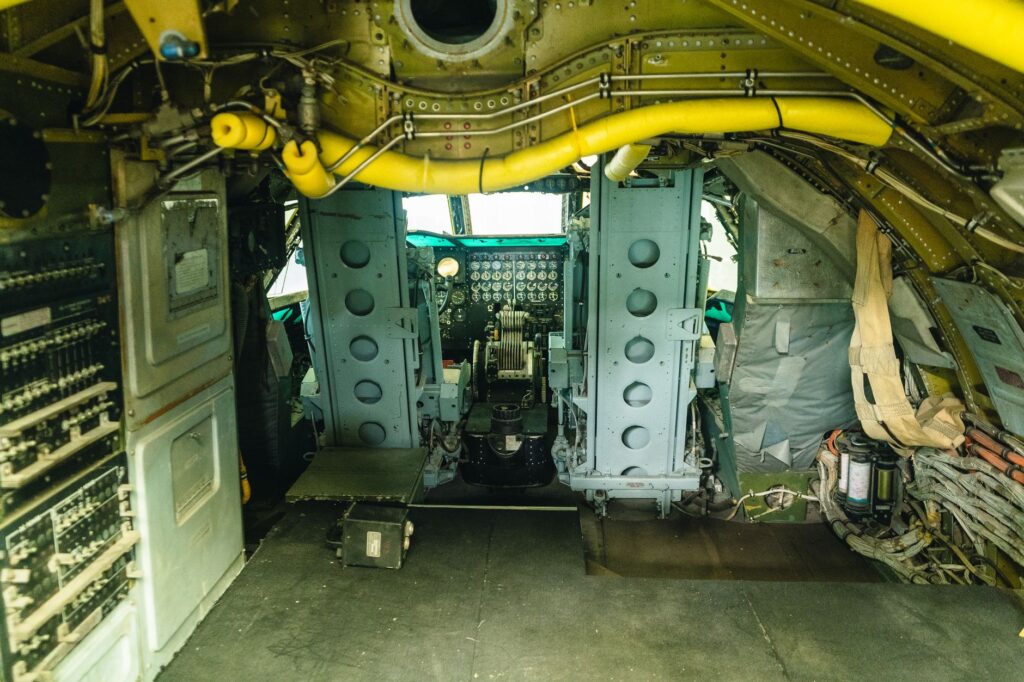
The U.S. Air Force is on track to receive its first next-generation Tactical Operations Center-Light, or TOC-L, systems before the end of the year, marking a significant step in the service’s effort to replace aging command-and-control infrastructure that dates to the Cold War era, according to Space Forces Magazine. The TOC-L program is designed to give wing-level commanders a deployable, survivable C2 node capable of operating in contested environments where legacy fixed infrastructure would be too vulnerable or too slow to set up.
The modernization push is part of a broader Air Force drive to harden its command networks against the kinds of threats posed by near-peer adversaries. That effort spans multiple programs, and the pressure to move faster is real — as USAF firepower planning for high-end conflicts increasingly assumes that forward bases and their supporting C2 nodes will be under attack from the opening hours of any major campaign.
What the TOC-L Is Meant to Solve
Current Air Force tactical operations centers rely heavily on infrastructure that is large, difficult to move, and slow to establish — liabilities in an era when distributed basing and rapid redeployment have become central tenets of Air Force operational concepts. The TOC-L is designed to be lighter and faster to stand up, allowing commanders to shift their C2 footprint more quickly in response to threats or changing mission requirements, the Air and Space Forces Magazine report details.
The system is intended to integrate with existing Air Force networks while improving the ability to operate in degraded or denied communications environments. Officials have framed the TOC-L as a foundational element of Agile Combat Employment, the doctrine that calls for Air Force units to operate from dispersed, less predictable locations rather than concentrating at large, fixed main operating bases that present obvious targets. Exactly which units will receive the first systems and at which installations have not been publicly confirmed by the service.
Delivery Timeline and Industrial Context
Delivery of the initial TOC-L systems before year’s end would represent a concrete milestone after years of development and requirements refinement. The Air Force has not publicly disclosed the total number of units planned for the initial delivery tranche or the full program cost, leaving the longer-term procurement picture less clear. What the service has made explicit is the urgency — the gap between current C2 capabilities and what future contested operations demand has grown harder to ignore as the threat environment has evolved.

The TOC-L acquisition is unfolding alongside other Air Force modernization programs that reflect the same logic of survivability and adaptability. The service is simultaneously accelerating work on unmanned systems and next-generation strike capabilities, consistent with the broader recapitalization pressure that defense planners have cited across multiple mission areas. The Compass Call retirement illustrates just how rapidly the Air Force is moving to shed legacy platforms in favor of more survivable, flexible alternatives — a pattern the TOC-L program fits squarely within.
For the Air Force, fielding modernized tactical C2 infrastructure is not a peripheral quality-of-life improvement. Command nodes that can be rapidly displaced, hardened against electronic attack, and reconnected under degraded conditions are a prerequisite for the kind of distributed, resilient operations the service says it needs to fight and win against a capable adversary. Whether the year-end delivery schedule holds will be an early indicator of whether the program can sustain the pace the Air Force is demanding.