Pentagon Pulls Reaper Drones From African Skies to Bolster Southern Hemisphere Presence
The U.S. military is redeploying MQ-9 Reaper drones from Africa to Latin America, reflecting a shift in counternarcotics and security priorities.
The United States military is redirecting MQ-9 Reaper drone assets away from Africa and toward Latin America, a redeployment that reflects the Trump administration’s heightened emphasis on border security and counternarcotics operations in the Western Hemisphere. Task & Purpose first reported the shift, citing U.S. military officials familiar with the move. The change marks a meaningful realignment of scarce remotely piloted aircraft capacity — assets that commands in both Africa and the Western Hemisphere have long competed to secure. As the Pentagon grapples with constrained defense budgets, decisions about where to station high-demand ISR platforms carry real operational consequences for the regions that lose coverage.

According to Task & Purpose’s reporting, U.S. Africa Command stands to lose Reaper coverage as the aircraft are shifted to support U.S. Southern Command’s area of responsibility, which encompasses Central and South America as well as Caribbean waters. Africa Command has relied on the MQ-9 for intelligence, surveillance, and reconnaissance missions across a continent where the United States maintains a relatively light but geographically dispersed military footprint. Officials have not publicly confirmed the precise number of aircraft being redeployed or the specific basing arrangements being established in the Southern Command theater.
Latin America Takes Priority Under New Administration Directives
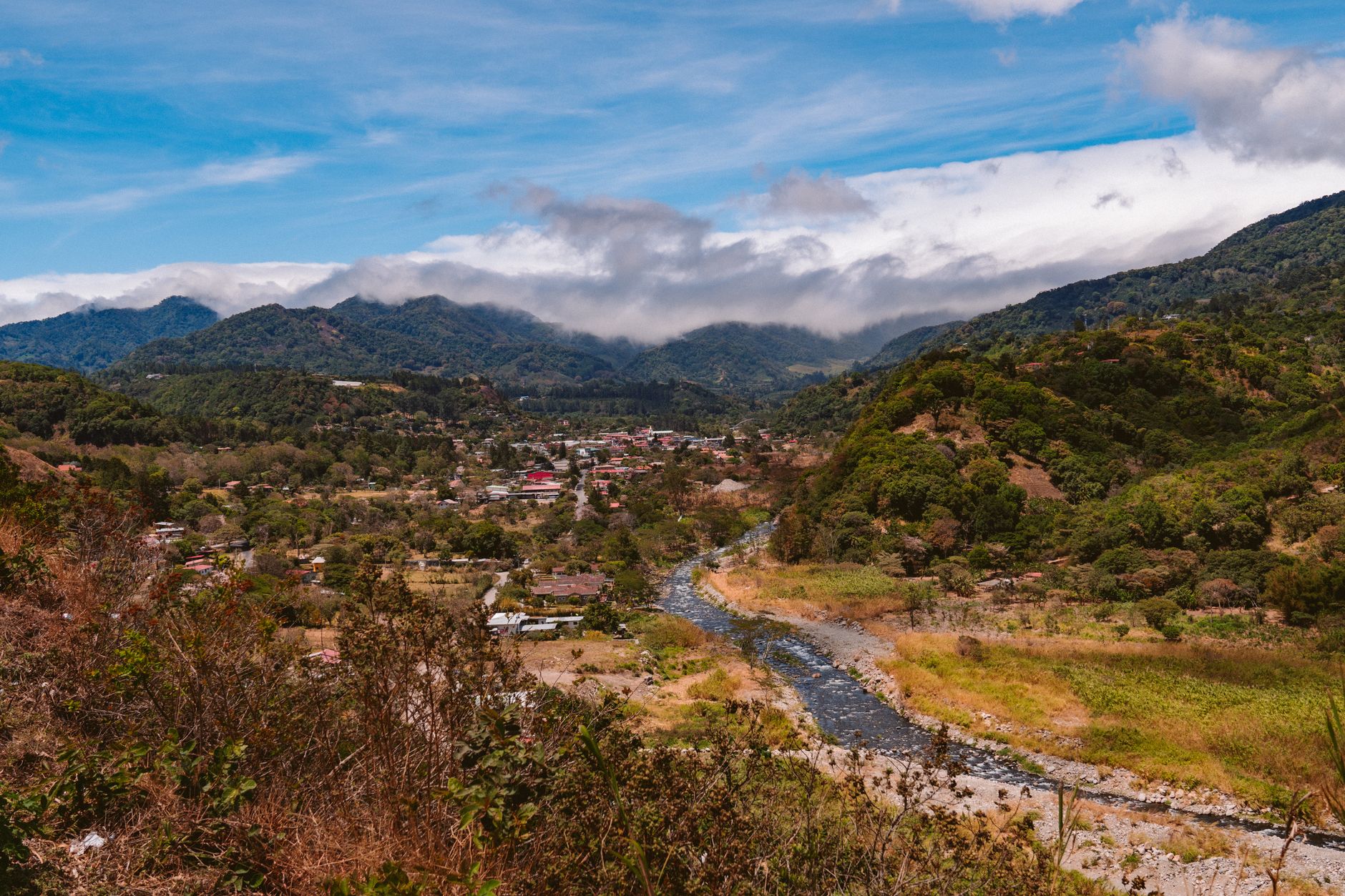
The redeployment is consistent with directives from the Trump administration that have elevated the U.S.-Mexico border and transnational criminal organizations — including drug trafficking networks — to the level of national security priorities. The MQ-9 Reaper, a platform designed for persistent overwatch and strike missions, is well suited to the long-duration surveillance requirements of monitoring smuggling corridors across remote terrain and open water. Southern Command has publicly advocated for greater ISR resources to support counternarcotics and border-adjacent operations, and the incoming Reaper capacity would help address that gap.
The move also comes as the military has expanded the role of the Department of Defense in domestic border security, a trend that has drawn scrutiny from legal analysts but has proceeded with backing from senior Pentagon leadership. Drone surveillance has been a central tool in that effort, with unmanned systems taking on a growing share of persistent monitoring missions that would previously have required manned aircraft or ground-based assets.
Africa Command Left to Manage Reduced ISR Capacity
The consequences for Africa Command are more immediate. The command operates across a vast geography where Reaper drones have supported counterterrorism missions and monitoring of militant activity in the Sahel, the Horn of Africa, and elsewhere on the continent. Losing even a portion of that coverage reduces the command’s ability to track threats, support partner forces, and maintain situational awareness in areas where the United States has limited alternative collection options. Officials have not confirmed what mitigation measures, if any, Africa Command will employ to compensate for reduced Reaper availability.
The shift also occurs against a backdrop of broader great-power competition on the African continent, where Russia and China have both expanded their presence through military partnerships, arms sales, and commercial investment. Reduced American ISR capability in the region does not directly cede ground to either rival, but it narrows the United States’ ability to monitor their activities and those of the armed groups they engage with. For a command that has operated under persistent resource pressure, the loss of Reaper assets adds another constraint to an already demanding mission set. How Africa Command adapts — and whether the Pentagon eventually restores those assets — will be watched closely by partner nations across the continent.