F-35 Procurement Hinges on Reconciliation as Pentagon’s FY27 Request Targets 85 Jets
The Pentagon’s FY27 budget requests 85 F-35s, but the bulk of the buy depends on passage of a sweeping reconciliation bill.

The Pentagon has structured its fiscal year 2027 budget request around a purchase of 85 F-35 Joint Strike Fighters, but the majority of that procurement is not guaranteed through the base defense budget alone. As Military Times reported, most of the planned F-35 buy is contingent on supplemental funding flowing through a congressional reconciliation package — a legislative vehicle that remains politically uncertain. The arrangement underscores how dependent the Department of Defense’s near-term modernization agenda has become on budget mechanisms outside the standard appropriations process, a dynamic that is already drawing scrutiny on Capitol Hill. Concerns about fighter fleet recapitalization extend beyond this single request, as the EC-130H retirement and similar drawdown decisions have continued to narrow the inventory of aging airframes the services are working to replace.
A Split Buy With Structural Risk
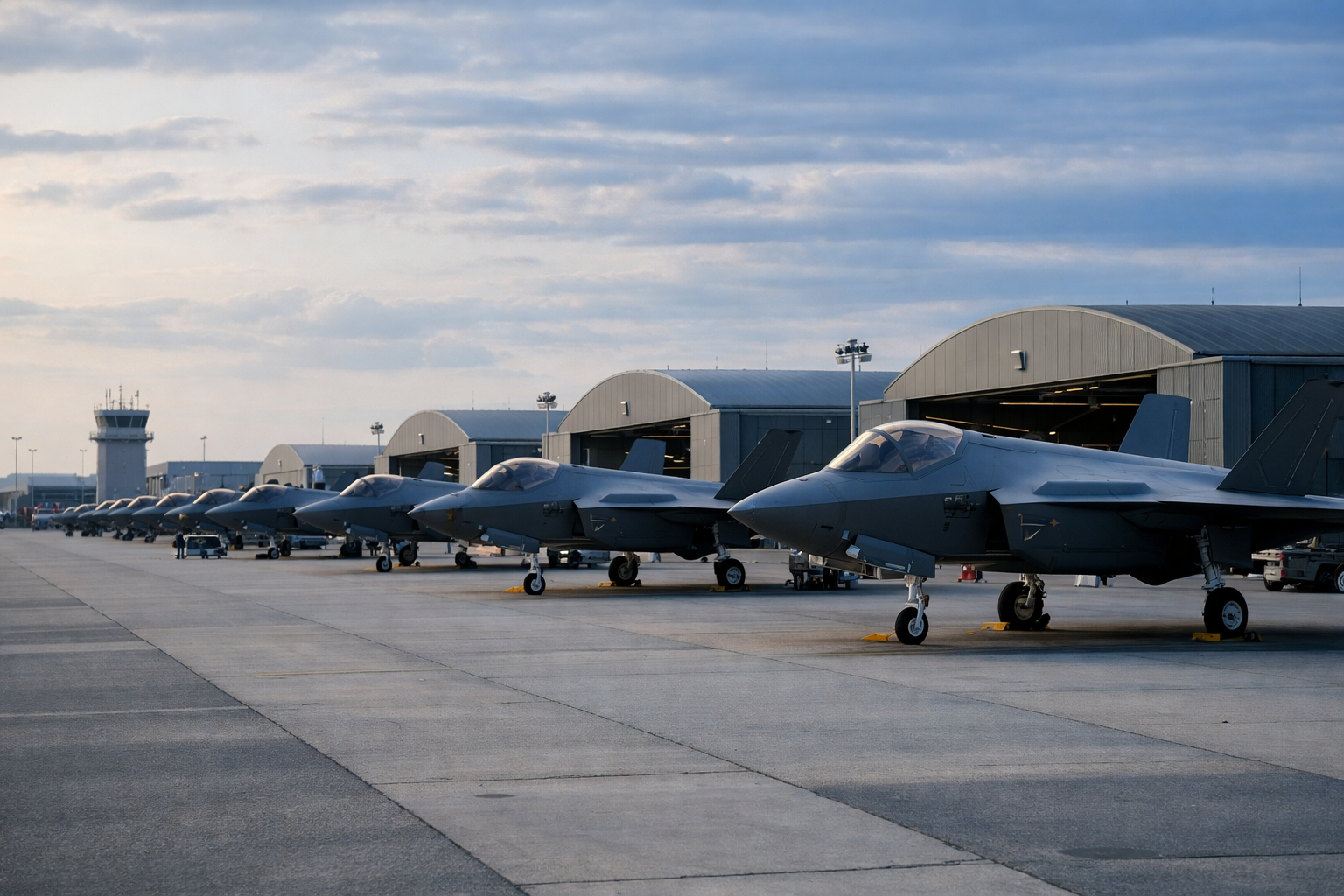
The FY27 request separates the F-35 procurement into two funding streams. The base budget covers a portion of the 85-aircraft figure, while the reconciliation bill would need to pass in order to fully realize the buy. Officials have not publicly confirmed the exact breakdown between the two streams, but the structure means the final procurement number could fall well short of 85 jets if the reconciliation measure stalls or is significantly amended. That uncertainty complicates Lockheed Martin’s production planning and may affect delivery schedules under existing contracts.
The reliance on reconciliation funding for a major fighter purchase is not without precedent, but it is an unusual posture for a program as mature and strategically central as the F-35. The Joint Strike Fighter remains the primary tactical aircraft acquisition program across the Air Force, Navy, and Marine Corps, and any reduction in the planned buy has direct implications for fleet size targets and allied deliveries under the program’s international partnerships. Pentagon officials have framed the reconciliation linkage as a way to push elevated defense spending through a politically achievable legislative path, rather than wait for a full appropriations cycle that has itself been repeatedly delayed by continuing resolutions.
Reconciliation’s Role in Defense Spending
Congressional Republicans have been advancing a broad reconciliation package that includes a substantial defense spending component, and the administration has aligned parts of its procurement agenda to that vehicle. The F-35 request is among the higher-profile line items riding on that strategy. If the reconciliation bill passes with its defense provisions intact, the Pentagon would receive the supplemental funds needed to execute the full 85-aircraft buy. If it is scaled back or fails, the services would likely be left managing a smaller F-35 purchase within the constraints of the base topline.
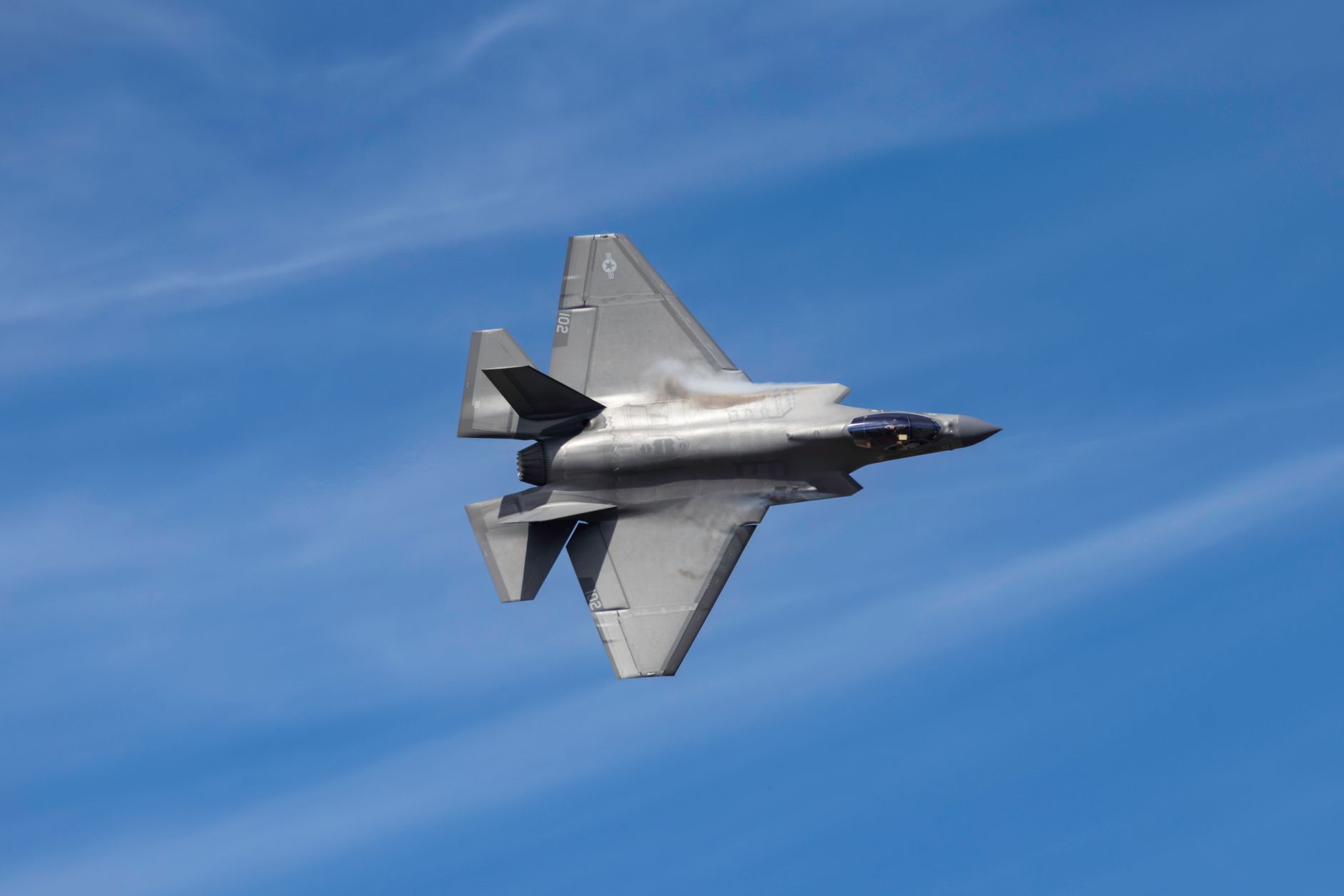
The approach reflects a broader tension in the current defense budget environment. The administration has publicly committed to increasing defense investment, and the reconciliation mechanism offers a way to channel additional dollars into procurement accounts without requiring offsetting cuts elsewhere in the discretionary budget under standard budget rules. Defense analysts and congressional appropriators have raised questions about the durability and predictability of funding delivered through reconciliation rather than through regular order, particularly for multi-year acquisition programs that depend on stable cost baselines. The outcome of the reconciliation process in the coming weeks will have a direct and measurable effect on one of the Pentagon’s most visible modernization programs.