Record Diesel Prices Squeeze Truckers, Farmers, and the Military Logistics Chain
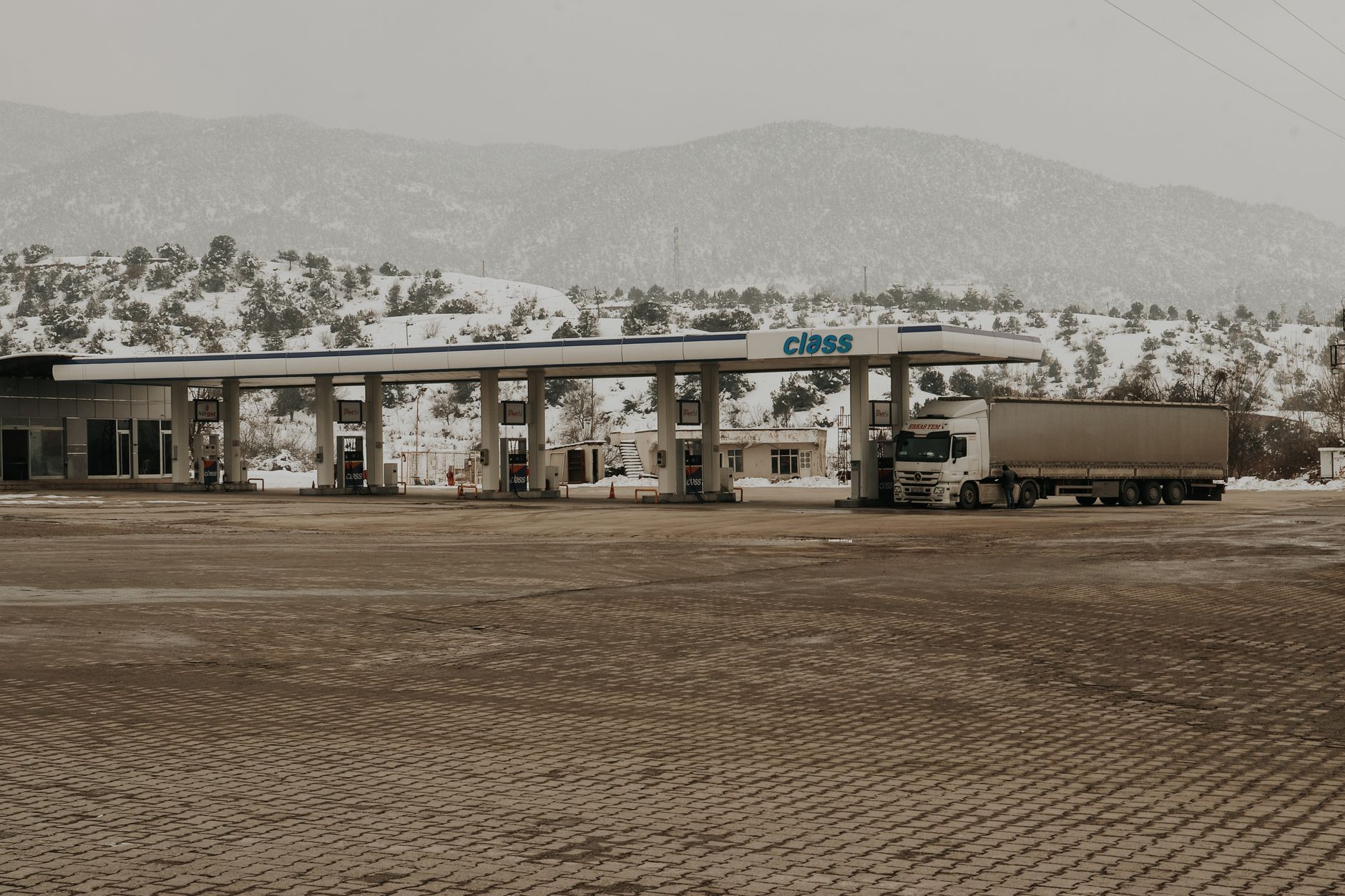
Diesel prices have hit an all-time national average high, straining commercial supply chains and raising costs across defense logistics.

Diesel fuel prices in the United States reached an all-time national average high, according to reporting by the Daily Wire, placing new pressure on trucking fleets, agricultural operations, and the broader industrial economy that underpins American military readiness. The surge comes amid escalating tensions in the Middle East and tightening global energy markets, conditions that have historically translated into longer-term procurement and munitions stockpile cost increases across the defense sector.
According to the Associated Press, the national average for diesel reached $5.85 per gallon, a record figure that reflects both the tightness of refined fuel supply and the geopolitical risk premium baked into energy markets. That figure represents a meaningful increase from already elevated levels seen in prior months and places diesel well above the price points that most commercial operators had budgeted for.
Energy Markets and the Geopolitical Premium
The price spike is closely tied to uncertainty surrounding Iran and regional conflict risk. Bloomberg has reported that energy stocks soared to record levels as oil prices rose on fading hopes for a diplomatic resolution, with investors pricing in sustained supply disruption. When crude rises sharply and refinery capacity remains constrained, distillate products such as diesel and jet fuel absorb the sharpest increases because they serve inelastic demand — freight, agriculture, and military logistics cannot simply switch fuels in the short term.
The Associated Press separately noted that fuel prices hit a record high heading into the Labor Day weekend, with the holiday fuel surge compounding what were already historically elevated baseline prices. Business Insider has noted analysts pointing to oil prices threatening to push back toward the $100-per-barrel threshold, a level that, if sustained, would transmit directly into defense operations, training tempos, and airlift costs.
Defense and Industrial Exposure
For the defense establishment, sustained high diesel prices carry concrete operational consequences. Ground vehicle fleets, forward logistics convoys, naval auxiliary vessels, and airfield ground equipment are all diesel-dependent. When fuel costs rise sharply, the services face pressure either to reduce training activity or to seek supplemental appropriations, neither of which is without strategic cost. Discussions around strategic airlift demands have already highlighted how logistics costs factor into longer-range readiness planning, and high diesel prices compound that calculus at the ground-transportation layer before cargo ever reaches a flight line.
Beyond the uniformed services, the defense industrial base is heavily exposed. Manufacturers shipping components between facilities, suppliers moving raw materials, and depots managing parts inventories all rely on diesel-powered freight. Cost increases at this level tend to surface in contract pricing with a lag, meaning the full budget impact of the current price environment may not appear in program cost estimates for another procurement cycle. Officials have not confirmed any formal review of fuel cost assumptions in current major defense contracts, but the record price environment makes such a review increasingly likely if prices remain elevated into the fall planning season.