U.S. Air Force Moves Toward Portable Command Stations for Autonomous Wingman Aircraft, Contract Award Expected Mid-2026
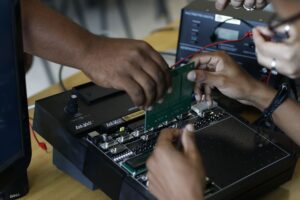
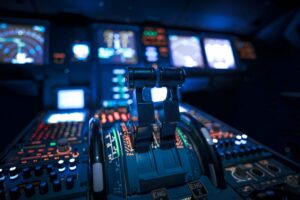
The Air Force is testing portable ground control stations for commanding CCAs, with a contract award targeted for summer 2026.
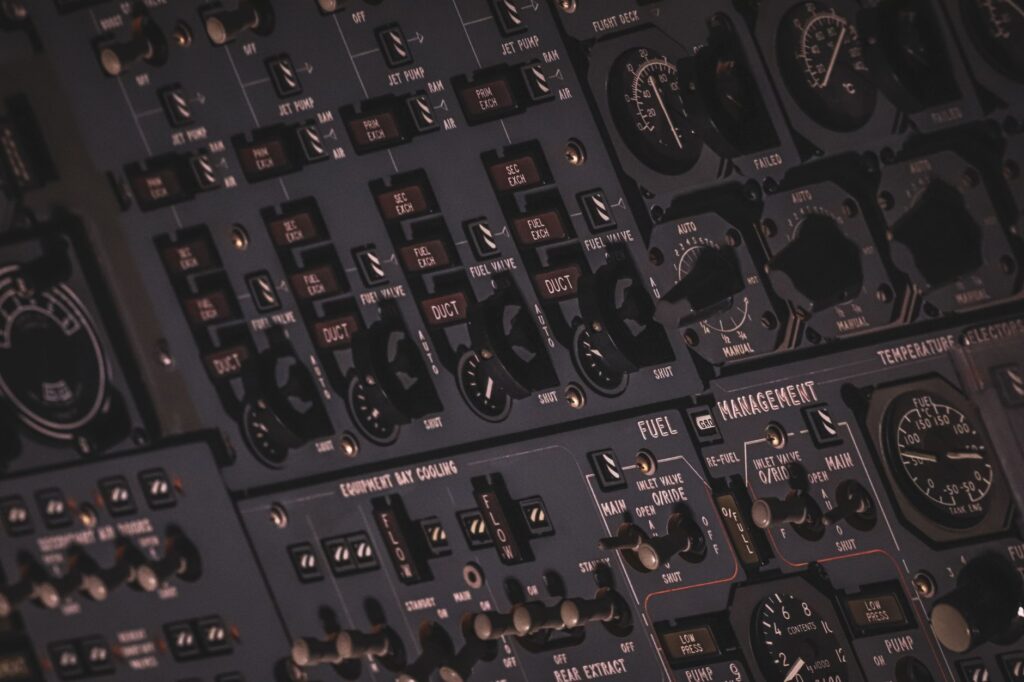
The U.S. Air Force is actively testing portable ground control stations designed to allow pilots and operators to command Collaborative Combat Aircraft (CCAs) from the ground, with service officials targeting a contract award in the summer of 2026, according to Space Forces Magazine. The effort represents a critical infrastructure layer for the CCA program — one that determines how human operators will exercise command and control over autonomous wingman drones operating alongside crewed fighter aircraft.
The CCA initiative is among the most consequential autonomous systems programs the Air Force is pursuing, and the question of how ground-based operators integrate into that command loop has significant operational implications. The autonomous systems branch concept is gaining traction across allied militaries, and the Air Force’s ground station work reflects similar institutional thinking about how to structure human oversight of AI-enabled platforms at scale.
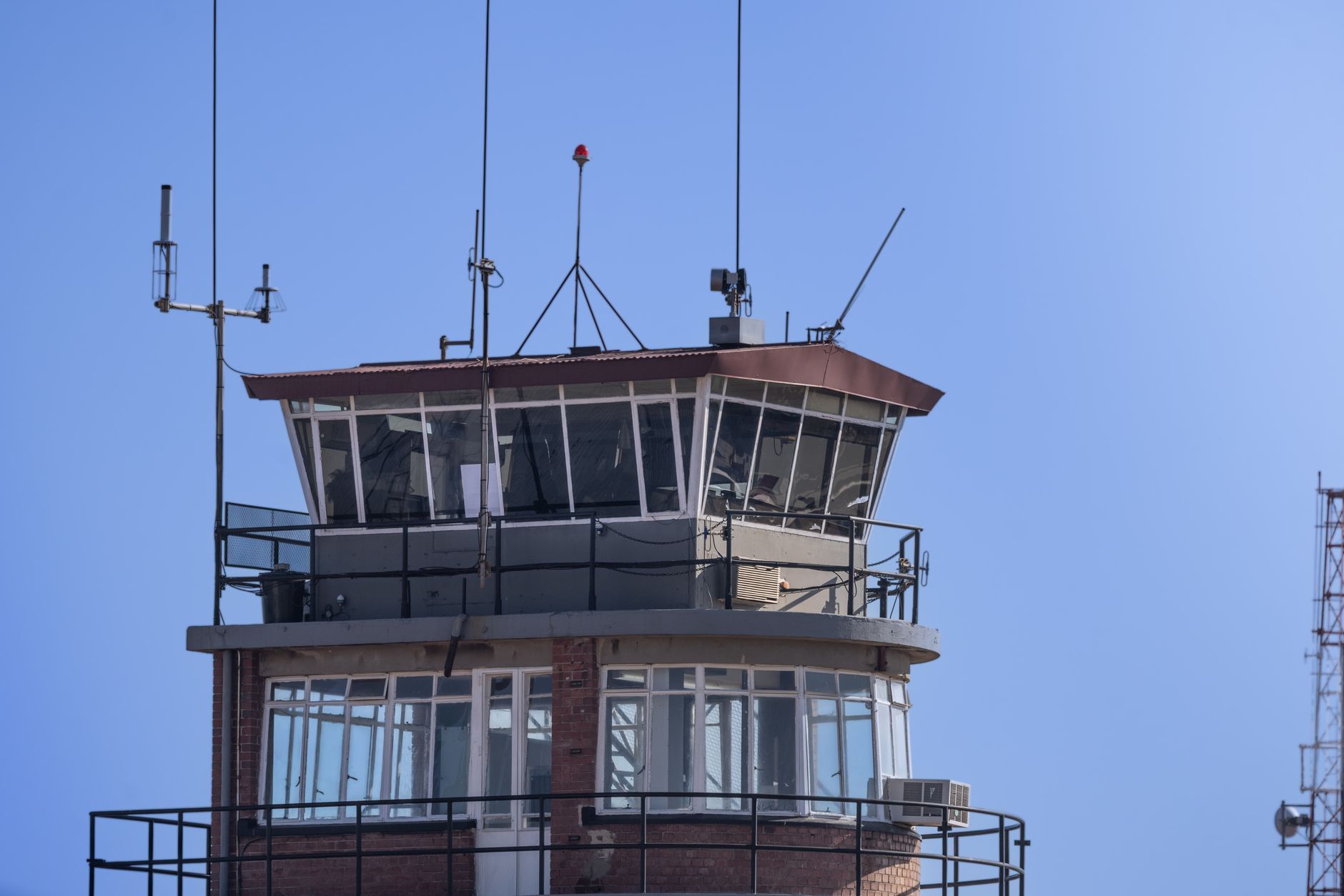
Testing Underway as the Service Refines Requirements
Air Force officials confirmed that testing of candidate ground station configurations is ongoing as the service works to finalize what it needs from a fielded system. The stations are intended to be portable, allowing them to be positioned at forward operating locations rather than confined to fixed infrastructure — a design priority that aligns with the Air Force’s broader Agile Combat Employment concept, which emphasizes distributed and dispersed operations to complicate adversary targeting.
The portability requirement is not incidental. CCAs are being developed to operate in contested environments where fixed command nodes would present unacceptable vulnerabilities. A ground station that can be rapidly set up, relocated, and operated with a small footprint fits that operational logic. Service officials have not publicly confirmed specific technical specifications for the stations under evaluation, including details such as data link requirements, crew size, or communications architecture.
Contract Timeline and Program Trajectory
The Air Force is working toward issuing a contract for the ground control stations in the summer of 2026, Air and Space Forces Magazine reported. That timeline places the procurement effort roughly in parallel with ongoing CCA platform development, where General Atomics and Anduril Industries are currently under contract to develop their respective CCA increment one designs. Ground station maturity will need to keep pace with aircraft development if operators are to conduct meaningful command-and-control testing before operational fielding.
The convergence of autonomous aircraft development and the command infrastructure needed to operate them reflects a broader challenge the Air Force is working through: CCAs are not simply drones in the traditional sense, but semi-autonomous systems that require a defined and tested human-machine interface. How that interface functions from a ground station — as opposed to from a crewed aircraft in flight — will shape doctrine as much as it shapes procurement. Officials have not detailed what role, if any, existing Air Force ground control architectures used for other unmanned systems might play in the CCA ground station program. The sensor command networks being developed across the services increasingly intersect, and interoperability questions are likely to surface as the program matures toward a contract award next year.