From Casinos and Cadillacs to Rolling Blackouts: Cuba’s Six-Decade Collapse in Pictures
Business Insider’s photo comparison traces Cuba’s fall from a thriving 1950s tourist hub to a nation crippled by poverty and energy failure.
Cuba once drew wealthy American tourists to its beachfront hotels, bustling Havana nightclubs, and neon-lit casinos. Today, those same streets are marked by crumbling colonial facades, fuel shortages, and electrical grids that fail for hours at a time. A photo comparison published by Business Insider lays out that transformation in stark visual terms, documenting how a country that ranked among the Caribbean’s most prosperous destinations in the 1950s became one of its most economically distressed by the 2020s. The trajectory carries strategic weight far beyond the island itself, touching on decades of U.S. sanctions policy, Soviet-era dependency, and the enduring contest between Washington and Havana that has shaped Caribbean geopolitics for generations — a dynamic not unlike the Gulf hostilities that periodically redraw regional alignments elsewhere.
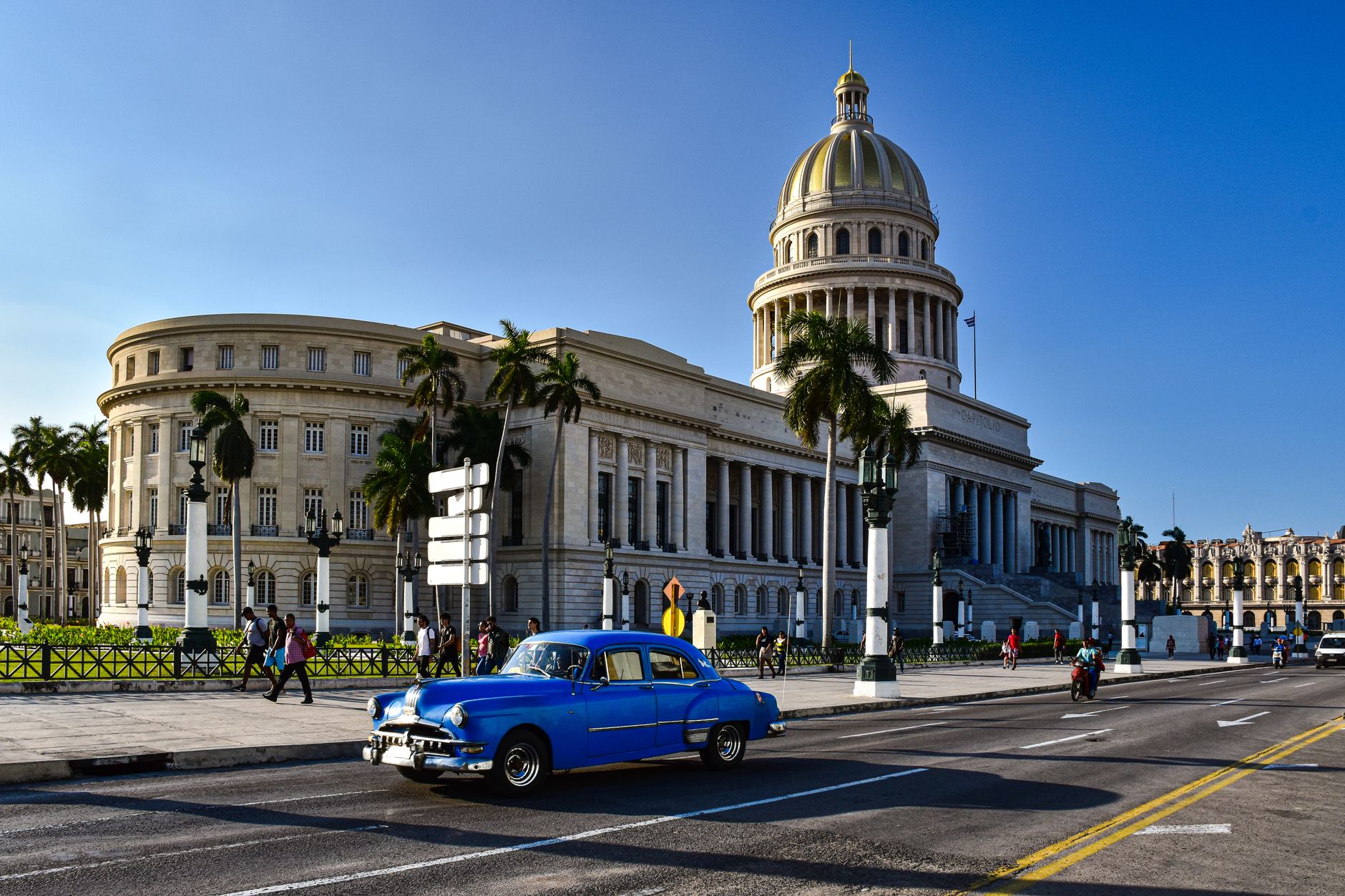
A Prosperity Built on Tourism and American Capital
In the decade before Fidel Castro’s 1959 revolution, Cuba was a destination of genuine regional consequence. Havana’s hotel strip and casino economy attracted investment from American organized crime figures as well as legitimate business interests, and the country’s sugar industry underpinned a GDP that placed it near the top of Latin American economies by some mid-century measures. The Business Insider report illustrates this era through archival photographs showing packed hotel pools, gleaming American automobiles on wide boulevards, and a Havana skyline punctuated by modern high-rises under construction. The images convey a consumer economy oriented outward — toward the United States, toward foreign capital, and toward a tourism market that would evaporate almost entirely within a few years of the revolution.
That pre-revolution prosperity was not evenly distributed. The Business Insider photo record does not obscure the fact that wealth was concentrated among urban elites and foreign investors, while rural poverty remained severe across much of the island. The revolution drew its support precisely from those inequalities. But the photographs do establish a baseline of infrastructure and commercial activity that makes the contrast with present-day Cuba visually arresting — cracked sidewalks, darkened storefronts, and lines of residents waiting for rationed goods now occupy spaces where mid-century commerce once operated.
Sanctions, Soviet Collapse, and the Long Energy Crisis
The mechanics of Cuba’s decline unfolded in distinct phases, each compounding the last. The U.S. trade embargo, imposed in its comprehensive form in 1962, severed the commercial relationships that had anchored the pre-revolution economy. Soviet subsidies that replaced American trade kept the island solvent through the Cold War, but when the USSR dissolved in 1991, Cuba entered what the government itself called the Special Period — a severe contraction in which fuel imports dropped sharply, food became scarce, and industrial output collapsed. The Business Insider piece documents this era through photographs showing Cubans relying on bicycles after fuel shortages made motorized transport unreliable, a detail that underscores how the island’s infrastructure dependency became a strategic vulnerability when its external patron disappeared.
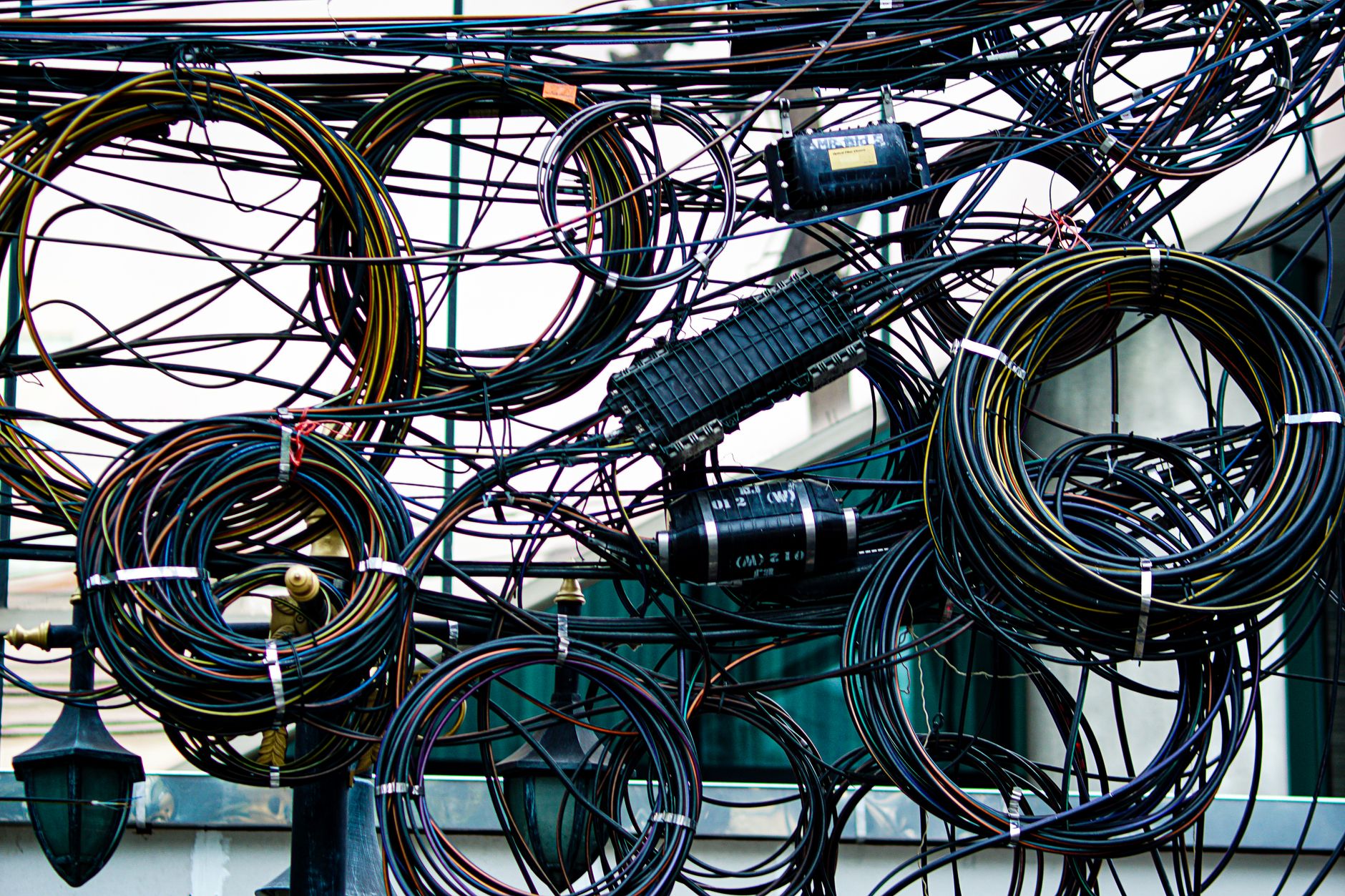
The energy crisis has not resolved. The report notes that power outages have become a defining feature of daily life in contemporary Cuba, with blackouts stretching across hours and affecting hospitals, businesses, and households alike. The country’s aging electrical generation infrastructure, largely built during the Soviet period and inadequately maintained since, cannot meet demand. Fuel shortages limit the operation of backup generators. Officials have not provided a detailed public timeline for grid modernization, and international investment in the sector remains constrained by the continuing U.S. embargo. The result is a population that has adapted to interruption as a permanent condition rather than an emergency — a form of societal resilience born entirely of institutional failure.
Strategic Residue of an Unresolved Standoff
Cuba’s condition today is not merely a humanitarian story. It is the cumulative product of one of the Western Hemisphere’s longest-running geopolitical standoffs, one that has outlasted the Cold War framework that originally defined it. Washington’s refusal to lift the embargo absent political reforms, and Havana’s refusal to undertake those reforms, has produced a stalemate measured not in diplomatic communiqués but in the daily material conditions of roughly eleven million people. The Business Insider photo record makes that abstraction concrete: a 1950s swimming pool at a Havana hotel, filled and busy, set against a present-day image of the same or similar structure in visible decay.
The geopolitical stakes have not diminished. Cuba’s proximity to the United States, its historical relationships with Russia and China, and its potential as a node for intelligence collection or military basing have kept it relevant to U.S. defense planners well beyond the Cold War. How an isolated and economically failing state interacts with great-power competitors seeking regional influence remains an active question for U.S. Southern Command and the broader interagency community — one that the photographs, however striking, can only frame rather than answer.