Air Force and Space Force Tie Facial Hair Policy to CBRN Readiness, Mandating Fit Tests for All Personnel
The Air Force and Space Force now require gas mask seal tests to enforce shaving standards, linking grooming policy to CBRN readiness.
The Department of the Air Force is tightening enforcement of its facial hair grooming standards by directly linking compliance to chemical, biological, radiological, and nuclear readiness requirements. Airmen and Guardians who fail to maintain a clean shave will now be required to undergo gas mask seal tests to determine whether facial hair compromises the protective seal of their protective masks, according to Space Forces Magazine. The directive connects a longstanding grooming rule to a concrete operational consequence, giving commanders a measurable standard to enforce rather than a purely administrative one. As the Pentagon continues to scrutinize forward base survivability in contested environments, ensuring personnel can rapidly don and seal CBRN protective equipment is an increasingly serious concern.
Seal Tests as an Enforcement Tool
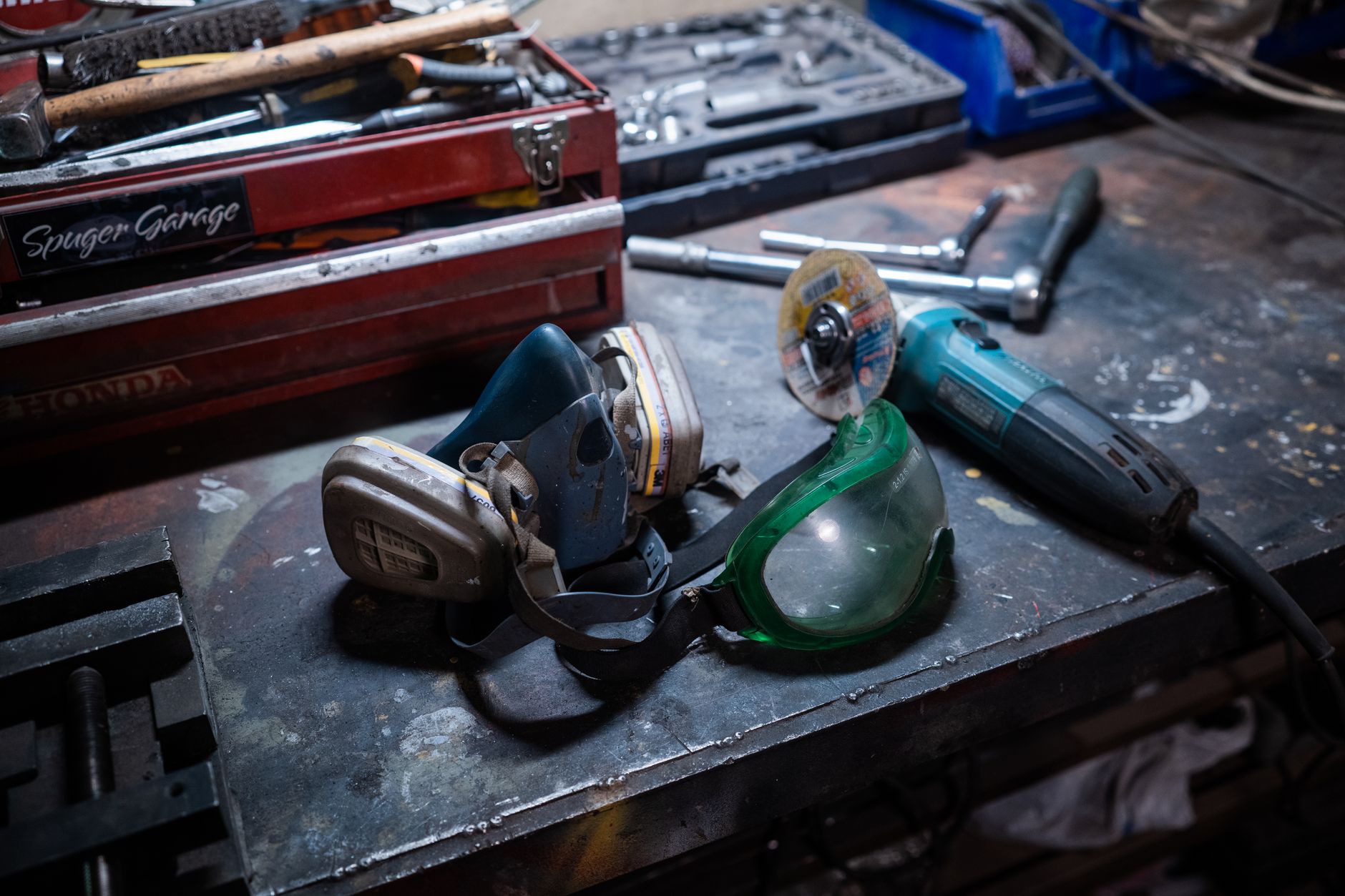
The policy ties grooming standards to the functional requirement that protective masks form an airtight seal against the wearer’s face. Facial hair — including stubble — can prevent that seal from forming properly, degrading the mask’s effectiveness in a contaminated environment. Under the revised approach, commanders are directed to send personnel suspected of non-compliance directly to a fit test, which will objectively confirm or refute whether their current facial hair growth compromises mask performance.
The approach shifts enforcement away from subjective visual inspections by supervisors toward a standardized, equipment-based assessment. If a service member fails the seal test, the result provides documented grounds for corrective action. Air and Space Forces Magazine reported that the policy applies across both the Air Force and the Space Force, and is framed as a readiness matter rather than a purely cosmetic or disciplinary one. Officials have not publicly detailed the specific test protocols or the measurement thresholds that constitute a failed seal.
Grooming Standards and Operational Context
The Air Force has permitted limited facial hair under certain medical and religious accommodation waivers for years, and the broader U.S. military has navigated the tension between individual accommodation policies and collective protective equipment standards for some time. The new enforcement mechanism does not appear to eliminate existing waivers outright, but it establishes a functional gate: accommodation or not, a service member’s mask must still seal. Personnel whose facial hair — for any reason — prevents a proper seal face a clear readiness deficiency that must be resolved.

The timing reflects broader institutional attention to chemical and biological threat preparedness. Great-power competition scenarios, including potential conflict in the Indo-Pacific or Eastern Europe, involve adversaries with documented CBRN capabilities, raising the operational stakes for individual-level protective equipment readiness. A mask that fails to seal in a contaminated environment does not merely represent a grooming policy violation — it represents a potential casualty. By anchoring the shaving standard to a measurable equipment outcome, Air Force leadership is signaling that CBRN readiness extends to the individual level and cannot be waived on appearance grounds alone.
The policy has not yet generated formal pushback from service advocacy groups in publicly available statements, and officials have not confirmed a specific implementation timeline for service-wide rollout of the fit-test enforcement mechanism. Air and Space Forces Magazine first reported the development, and the Department of the Air Force had not issued additional public guidance at the time of that report.