US Military Advisers at Taiwan’s Han Kuang Drills Are Barely a Secret Anymore
American military personnel helping Taiwan prepare for a Chinese invasion are increasingly visible, raising questions about diplomatic exposure.

American military personnel have been quietly embedded in Taiwan’s largest annual war games for years, and the arrangement is becoming increasingly difficult to obscure. According to a Business Insider report, U.S. troops participating in Taiwan’s Han Kuang exercises have operated under the informal cover of being called “English teachers” — a thin euphemism that insiders on both sides have long understood and that is now eroding as the exercises grow in scale and scrutiny. The development is a window into how Washington and Taipei are quietly deepening defense cooperation even as both governments carefully manage the diplomatic optics of their relationship with Beijing. For context on how China is tracking parallel Indo-Pacific military signaling, GDD has previously covered J-20 training replicas that offer a glimpse into how the People’s Liberation Army prepares its own forces for high-end conflict.
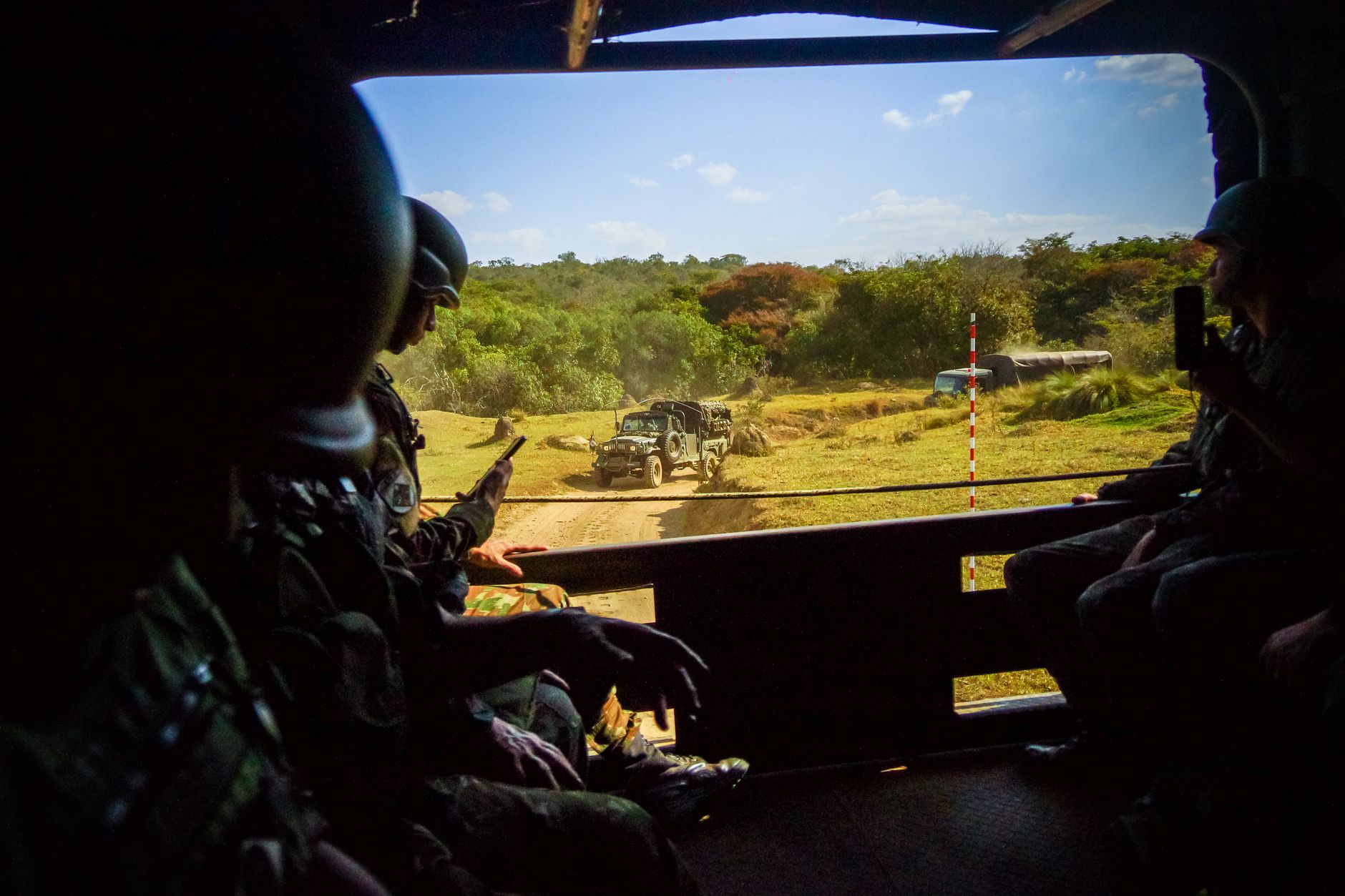
Han Kuang is Taiwan’s most significant annual military exercise, designed to simulate a full-scale defense against a Chinese invasion. The drills test the island’s ability to repel amphibious landings, defend critical infrastructure, and sustain operations under prolonged attack. Business Insider’s reporting describes U.S. personnel as playing an active advisory role within these exercises — not merely observing — and notes that the “English teacher” label has served as a polite fiction to avoid triggering a sharper Chinese diplomatic response. Officials have not publicly confirmed the precise number of U.S. personnel involved or the specific units participating.
The Open Secret Strains Its Own Cover
The informal arrangement has persisted partly because both Taipei and Washington have had reasons to keep it low-profile. Taiwan operates under the constraints of the Taiwan Relations Act rather than a formal defense treaty, meaning the U.S. commitment to the island’s security has always existed in a deliberate gray zone. Publicly branding American troops as combat advisers embedded in war games would hand Beijing a ready-made provocation. The “English teacher” framing offered enough ambiguity to allow the cooperation to proceed without forcing either government to own it explicitly.
That ambiguity is becoming harder to sustain. As Business Insider notes, the exercises have grown more complex and more visible, drawing greater media attention and making the presence of foreign military personnel more conspicuous. The reporting suggests that the fiction is now more of a formality than an actual shield — a situation that creates its own strategic risk, since Beijing can choose to escalate its rhetoric around the drills whenever it judges the moment advantageous, citing the American presence as evidence of provocation.

What the Deepening Cooperation Signals
The evolution of U.S. involvement in Han Kuang reflects a broader shift in how Washington is approaching Taiwan’s defense. The Biden administration expanded the number of U.S. troops stationed in Taiwan for training purposes, and the Trump administration has broadly continued the posture of strengthening Taiwan’s self-defense capacity. Business Insider’s reporting frames the Han Kuang advisory role as part of that continuum — an incremental but meaningful escalation in the practical depth of U.S.-Taiwan military cooperation that goes beyond arms sales and into doctrine, planning, and exercise design.
For analysts watching the Taiwan Strait, the significance is less about any single exercise and more about the trajectory. Each iteration of Han Kuang that includes embedded American advisers builds institutional familiarity between the two militaries — shared procedures, common assessments of threat scenarios, and interoperability that would matter enormously in a crisis. Whether Beijing ultimately treats the “English teacher” arrangement as a red line or a manageable irritant will likely depend on factors well beyond the exercises themselves, including the broader state of U.S.-China relations and whatever diplomatic signaling accompanies each year’s drills. Officials on neither side have indicated any intention to formalize or publicly acknowledge the arrangement.