A Classified U.S. Very Long-Range Air-To-Air Missile Program Steps Into the Open
The AIM-424 Malice, a secretive U.S. very long-range air-to-air missile, has been publicly acknowledged for the first time.
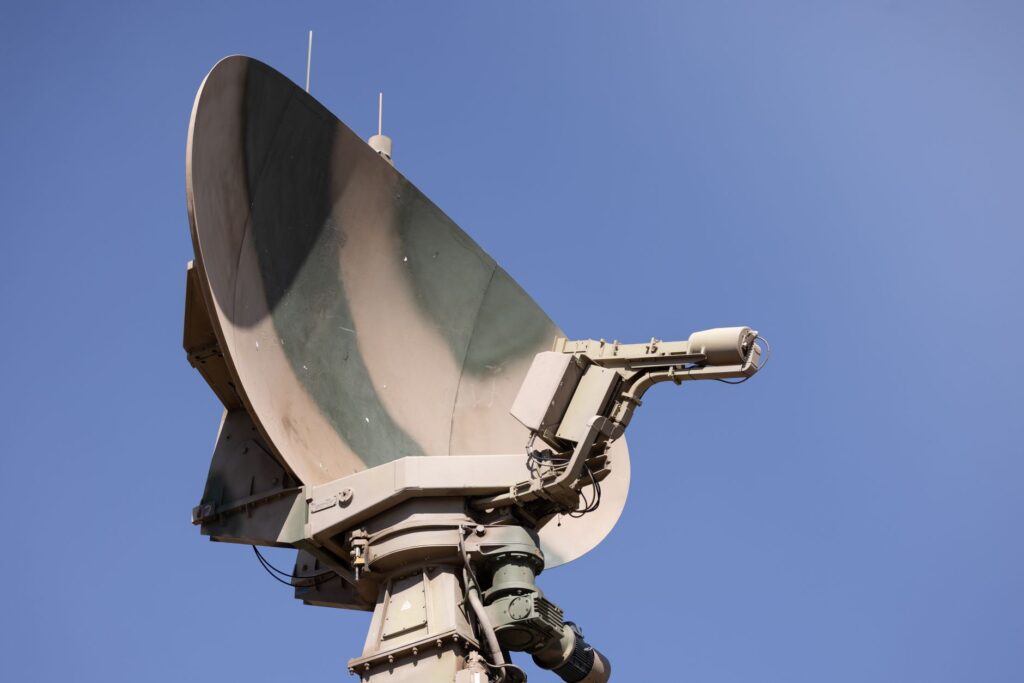
A previously classified U.S. air-to-air missile program known as the AIM-424, designated “Malice,” has surfaced in public view for the first time, according to a report by The War Zone. The emergence of the program — even in limited form — marks a notable moment for a weapons effort that had been held tightly within classified channels, and comes at a time when Chinese aerospace advances are reshaping the calculus for long-range aerial engagement.
The AIM-424 is described as a very long-range air-to-air missile, a category that addresses a persistent gap in U.S. air combat capability — the ability to engage adversary aircraft, including high-value assets such as tankers and airborne early-warning platforms, at distances well beyond what existing weapons like the AIM-120 AMRAAM can reliably achieve. Officials have not confirmed precise range figures or propulsion details for the AIM-424, and core specifications remain restricted.
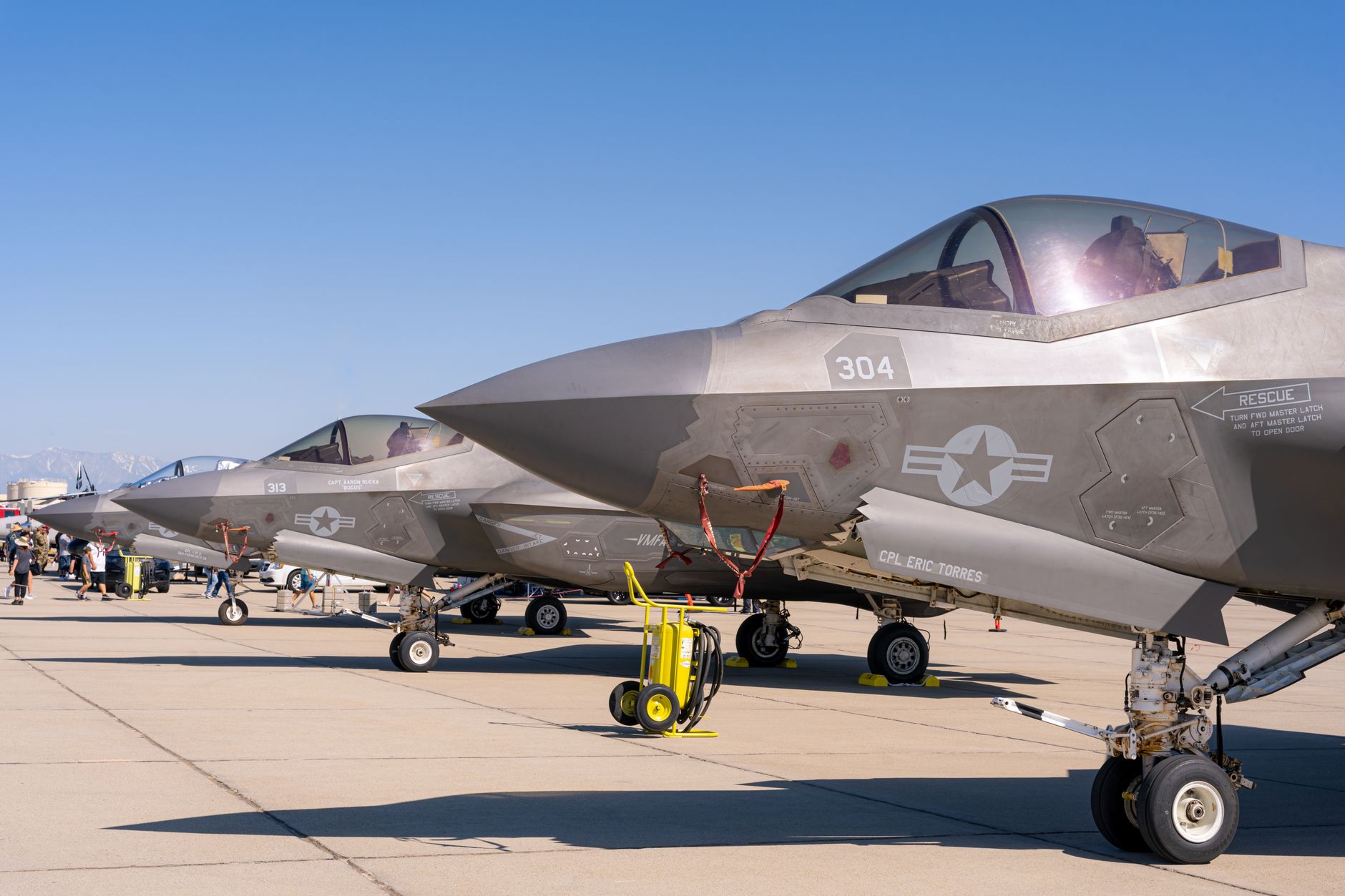
What Has Been Confirmed — and What Has Not
The War Zone’s reporting identifies the missile by its AIM-424 designation and the name “Malice,” making this one of the first times the program has been acknowledged in an unclassified context. Beyond the designation and the very long-range air-to-air category, granular technical details — including the weapon’s seeker type, warhead configuration, and intended launch platforms — have not been publicly confirmed by the U.S. military or the program’s developers.
The program’s classification level and the scarcity of public detail are themselves signals of the sensitivity surrounding next-generation beyond-visual-range air combat capabilities. The U.S. has long sought a credible answer to adversary stand-off strategies that place high-value command-and-control aircraft beyond the reach of current inventory weapons. Whether the AIM-424 represents a response to that specific operational requirement has not been officially stated.
Strategic Context and the Long-Range Air Combat Gap
The timing of the AIM-424’s emergence aligns with a broader U.S. and allied focus on long-range kill chains in contested airspace. Competitors including China have developed and fielded extended-range air-to-air missiles — most prominently the PL-XX class — designed specifically to threaten the support aircraft that underpin U.S. air operations: tankers, surveillance platforms, and airborne command posts. A viable U.S. counterpart capable of threatening equivalent adversary assets at comparable distances would represent a meaningful shift in the air-to-air competition.

Taiwan’s defense planners and U.S. Indo-Pacific commanders have pressed urgently for longer-range aerial intercept options, a concern reflected in 2026 defense budget and its emphasis on acquiring advanced air combat systems. The AIM-424’s public acknowledgment, even in skeletal form, suggests the program has progressed enough that limited disclosure is now judged acceptable — though what operational or acquisition milestone may have prompted that judgment has not been explained by officials.
For now, the AIM-424 Malice remains more shadow than substance in the public record. The War Zone’s reporting establishes the program exists and carries a formal AIM designation, but the capability envelope, the contractor, the integration timeline, and the intended host platforms are all questions that remain unanswered in unclassified space. The Pentagon has not issued a formal statement on the program.