Trump Orders Curtailed Ulchi Freedom Shield as PACAF Takes Broader Look at Alliance Drills
The U.S. and South Korea scaled back Ulchi Freedom Shield 2025 on White House orders as PACAF reviews the scope of alliance exercises.
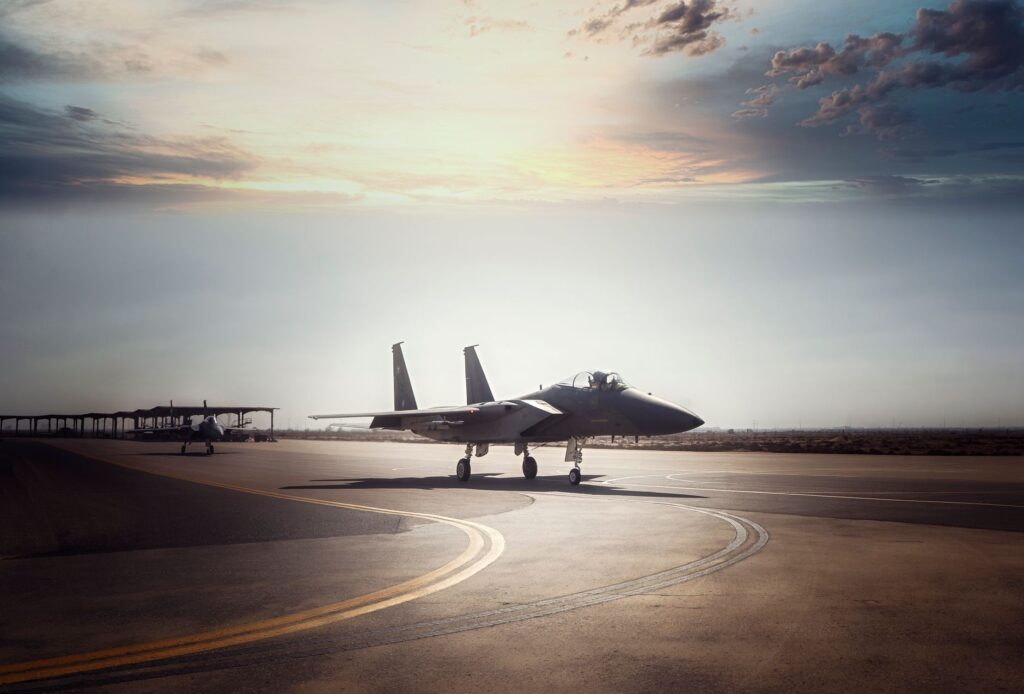
The United States and South Korea have scaled back their annual Ulchi Freedom Shield exercise following direct orders from President Donald Trump, according to Space Forces Magazine. The decision aligns with a broader review underway at Pacific Air Forces — known as PACAF — examining the scope, duration, and structure of major alliance exercises across the Indo-Pacific. The move marks a significant departure from the trajectory of U.S.-South Korea military cooperation that had been expanding in scale since the early 2020s, and analysts are already drawing connections to the administration’s continued diplomatic signaling toward Pyongyang, a dynamic examined in GDD’s earlier reporting on Korea exercise diplomacy.
Ulchi Freedom Shield, which combines computerized command-post simulations with field training, has served as one of the primary mechanisms for testing combined U.S.-South Korean warfighting readiness on the peninsula. The exercise had previously been restored to a fuller format after years of suspension and reduction during the first Trump administration’s diplomatic engagement with North Korea. Its renewed curtailment signals that the White House is once again treating exercise scope as a variable in its broader diplomatic calculus rather than purely a readiness requirement.

White House Direction and PACAF’s Role
Air and Space Forces Magazine reported that the reductions came specifically at Trump’s direction, placing the decision at the highest level of U.S. civilian authority rather than within the normal operational planning cycle. PACAF’s concurrent review of exercises across the theater adds a layer of institutional scrutiny that could produce lasting changes to how the United States structures its combined training commitments throughout the Pacific — not only on the Korean Peninsula but potentially across other alliance relationships in the region.
The review raises practical questions about readiness. Large-scale combined exercises serve functions that are difficult to replicate through other means: they stress-test interoperability between U.S. and allied command systems, validate joint operational plans, and allow commanders at multiple echelons to work through coordination problems in a realistic setting. Reducing their duration or complexity does not eliminate those requirements — it defers them. How PACAF intends to address that gap, if at all, has not been publicly detailed by officials.
Strategic Implications for the Peninsula and the Broader Alliance
The timing carries diplomatic weight. Trump has expressed interest in renewed engagement with North Korean leader Kim Jong Un, and scaling back exercises has historically been one of the first concessions offered — or withheld — in that context. South Korean officials have not publicly broken with Washington over the decision, but the reduction arrives as Seoul is navigating its own political transition and recalibrating its security posture. The durability of the allied position will depend, in part, on whether the two governments maintain a shared operational picture even as visible exercise activity contracts.
The PACAF review also connects to a wider administration effort to reassess alliance burden-sharing and the forward posture of U.S. forces. As GDD has reported, administration’s military strategy increasingly frames readiness investment through the lens of great-power competition with China, which could reshape how resources — including exercise time and logistics — are prioritized across combatant commands. Whether the Korean Peninsula review feeds into that larger Indo-Pacific calculus, or remains primarily a diplomatic instrument directed at Pyongyang, will become clearer as PACAF’s assessment concludes and the next exercise cycle is scheduled.
Officials have not confirmed a specific new duration or format for Ulchi Freedom Shield going forward, nor has the Pentagon publicly released the parameters of PACAF’s exercise review or its expected timeline for completion.