Taiwan Puts M1A2T Abrams Crews Through Urban Hide-and-Refuel Drills as Invasion Scenarios Grow More Concrete
Taiwan is training M1A2T Abrams crews to shelter and refuel inside cities, rehearsing survival tactics against a Chinese assault.
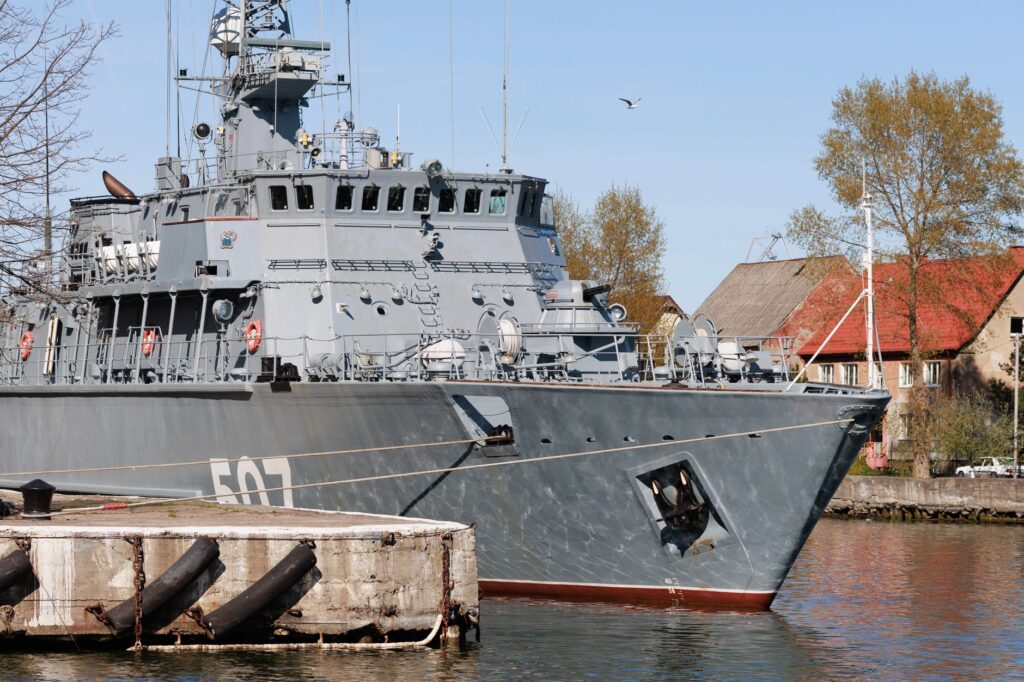
Taiwan’s military is using its densely built cities as a deliberate operational asset, training M1A2T Abrams tank crews to conceal their vehicles inside urban infrastructure and sustain them with fuel during wartime conditions. The drills reflect a broader shift in how Taipei intends to fight a numerically superior adversary on its own terrain — a shift toward resilience, dispersion, and making every city block a potential defensive strongpoint. For more on the island’s armored force preparation, see GDD’s earlier coverage of M1A2T urban drills.
The training was conducted as part of Taiwan’s Han Kuang exercises, the island’s most significant annual war-game series, according to Business Insider. The exercises simulate a Chinese People’s Liberation Army assault and are designed to test whether Taiwan’s forces can survive, maneuver, and sustain combat operations under that pressure. Incorporating Abrams tanks into urban hide-and-refuel scenarios marks a meaningful evolution in how those exercises are being structured.
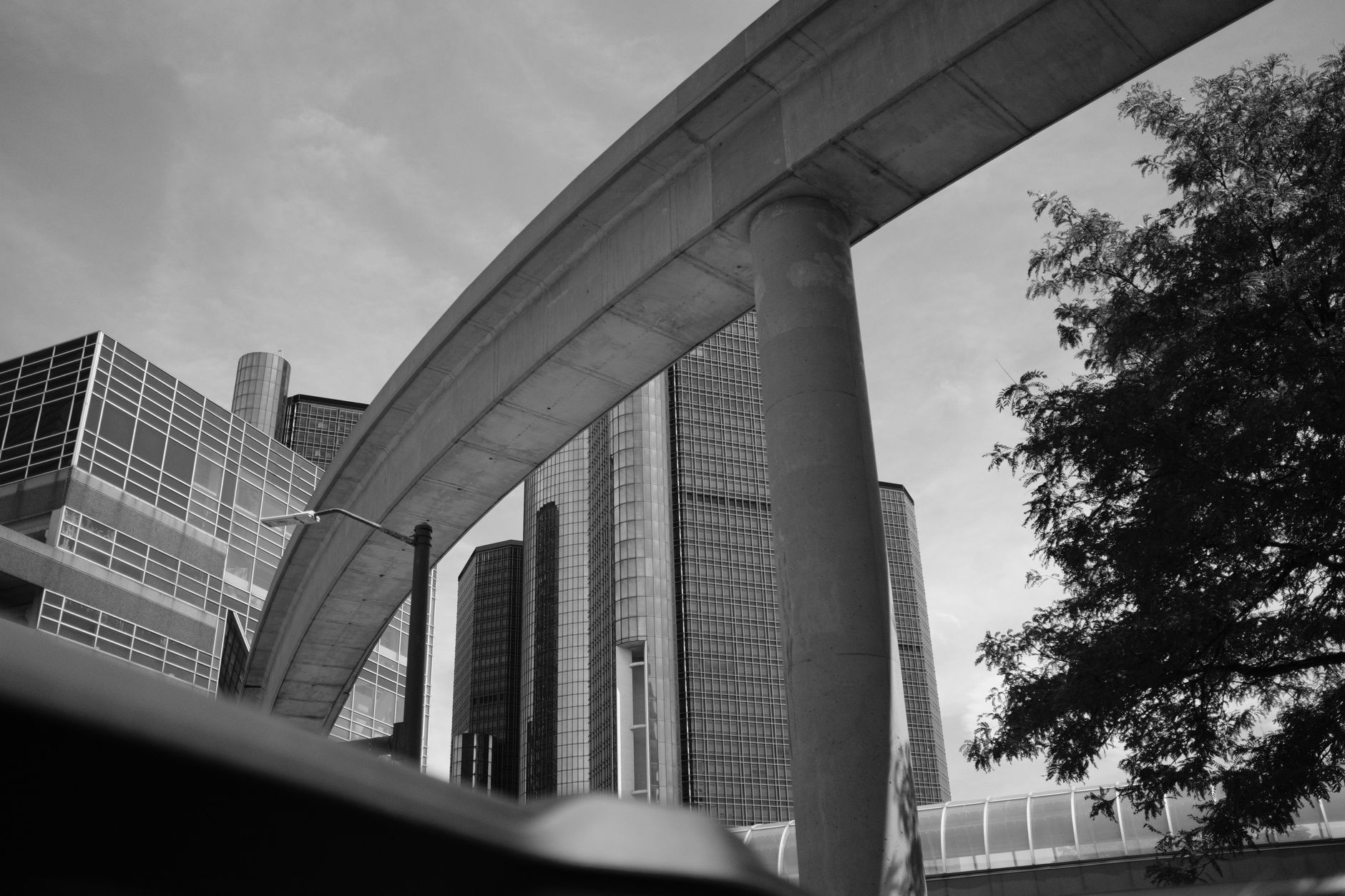
Cities as Cover: The Tactical Logic
Taiwan is one of the most urbanized territories in the Asia-Pacific region, and its military planners appear to be treating that density as a defensive multiplier rather than a complication. By sheltering armored vehicles inside buildings, parking structures, and under elevated infrastructure, crews can reduce their exposure to aerial reconnaissance and long-range precision fires — both capabilities the PLA has invested in heavily. The concept is not unique to Taiwan; urban dispersion and concealment have become standard considerations for any military facing an adversary with persistent ISR and standoff strike capability.
The refueling component of the drills is equally significant. A tank that cannot be resupplied is tactically irrelevant within hours of sustained operations. Rehearsing fuel sustainment inside an urban environment — where logistics nodes may themselves be contested or damaged — prepares crews for the degraded, high-pressure conditions that any realistic invasion scenario would produce. The Han Kuang framework allows Taiwan to stress-test these procedures against simulated enemy action rather than in sterile garrison conditions.
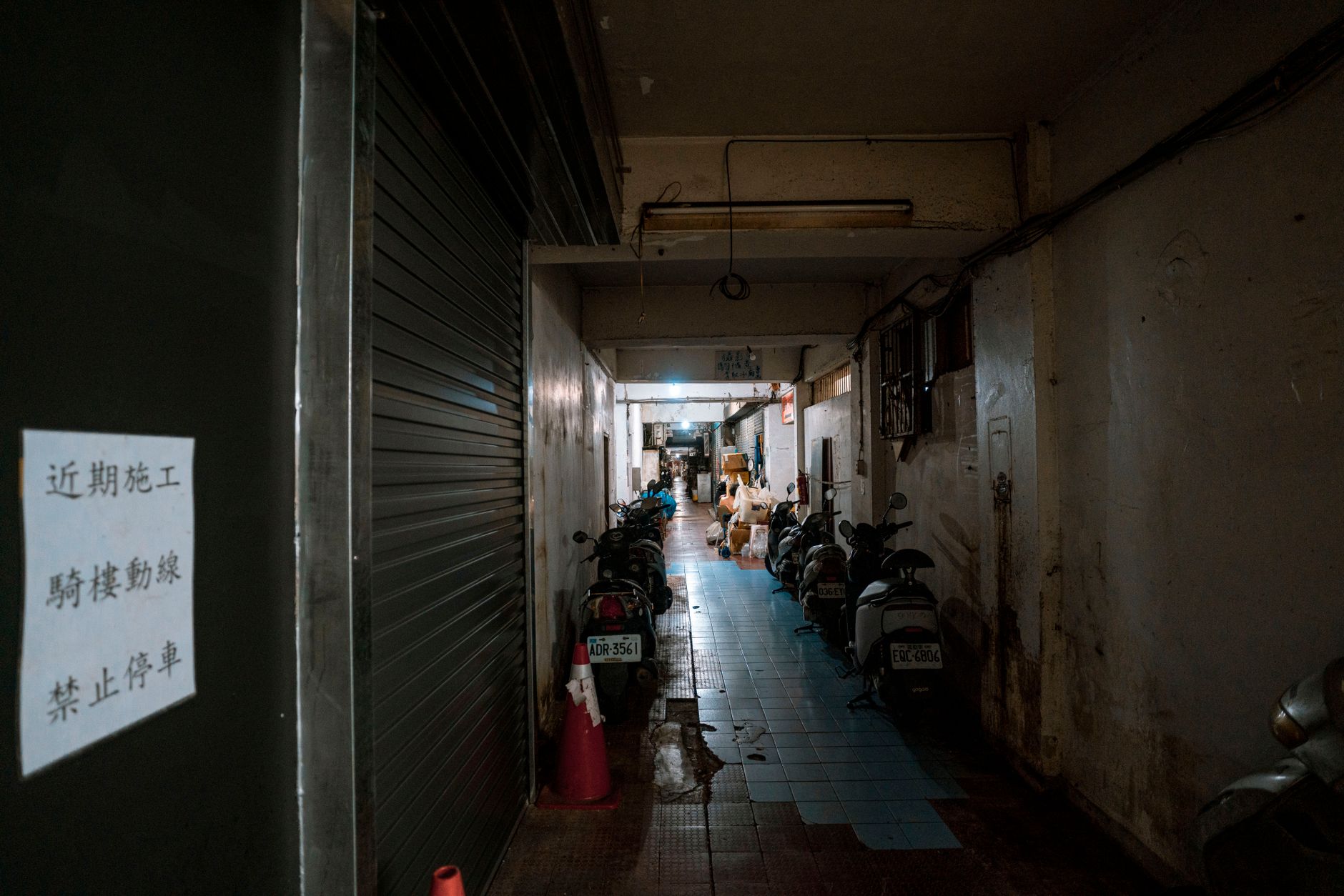
Abrams in a Taiwan Context
Taiwan acquired the M1A2T variant specifically configured for its operational requirements. The tank represents a significant capability upgrade for the island’s armored force, but its value depends entirely on whether crews can keep the vehicles alive, mobile, and supplied in the opening and middle phases of a conflict — precisely the window in which an amphibious assault force would seek to achieve decisive ground advantage. The Han Kuang urban-concealment drills are aimed squarely at that problem.
The broader implication is strategic as much as tactical. Taiwan is signaling — to Beijing, to Washington, and to its own population — that its military intends to fight a protracted, distributed defense rather than collapse at the coastline. That posture is consistent with the asymmetric defense frameworks that U.S. advisors and think tanks have been advocating for years, and it reflects lessons absorbed from other conflicts where conventional forces have used urban terrain to offset firepower disadvantages. How effectively Taiwan can execute that doctrine under live fire remains the critical unknown, but the Han Kuang exercises represent a concrete step toward building that muscle memory before it is needed. Separately, GDD has tracked how armored vehicle protection has become a central problem set for militaries worldwide as drone threats intensify — a challenge Taiwan’s tank crews will face in any serious conflict scenario.