Taiwan Drills M1A2T Crews on Urban Concealment and Fuel Ops Ahead of Potential Chinese Assault
Taiwan is embedding Abrams tank crews in urban environments during Han Kuang exercises to survive a Chinese invasion.
Taiwan’s military is rehearsing a counterintuitive but operationally sound tactic: driving its most powerful ground combat vehicles into the island’s densely packed cities and using that urban fabric as cover. During its annual Han Kuang exercises, Taiwanese forces have been training M1A2T Abrams crews to conceal tanks in civilian infrastructure — including parking garages and beneath elevated highways — and to conduct refueling operations within urban corridors, according to a Business Insider report. The drills reflect a deliberate shift in how Taiwan intends to absorb and respond to a Chinese amphibious assault, leveraging the island’s own geography as a defensive asset. For context on how allied ground systems readiness factors into broader deterrence planning, see GDD’s earlier coverage of Army vehicle readiness.
Taiwan received its first M1A2T tanks — a variant of the U.S. Army’s M1A2 SEPv3 Abrams configured specifically for Taiwan — as part of a Foreign Military Sale approved during the Trump administration’s first term. The island has ordered 108 of the vehicles. The M1A2T represents a significant leap in Taiwan’s armored capability, but its weight and size also present challenges on an island where coastal terrain and urban density would heavily shape any ground engagement with People’s Liberation Army forces.
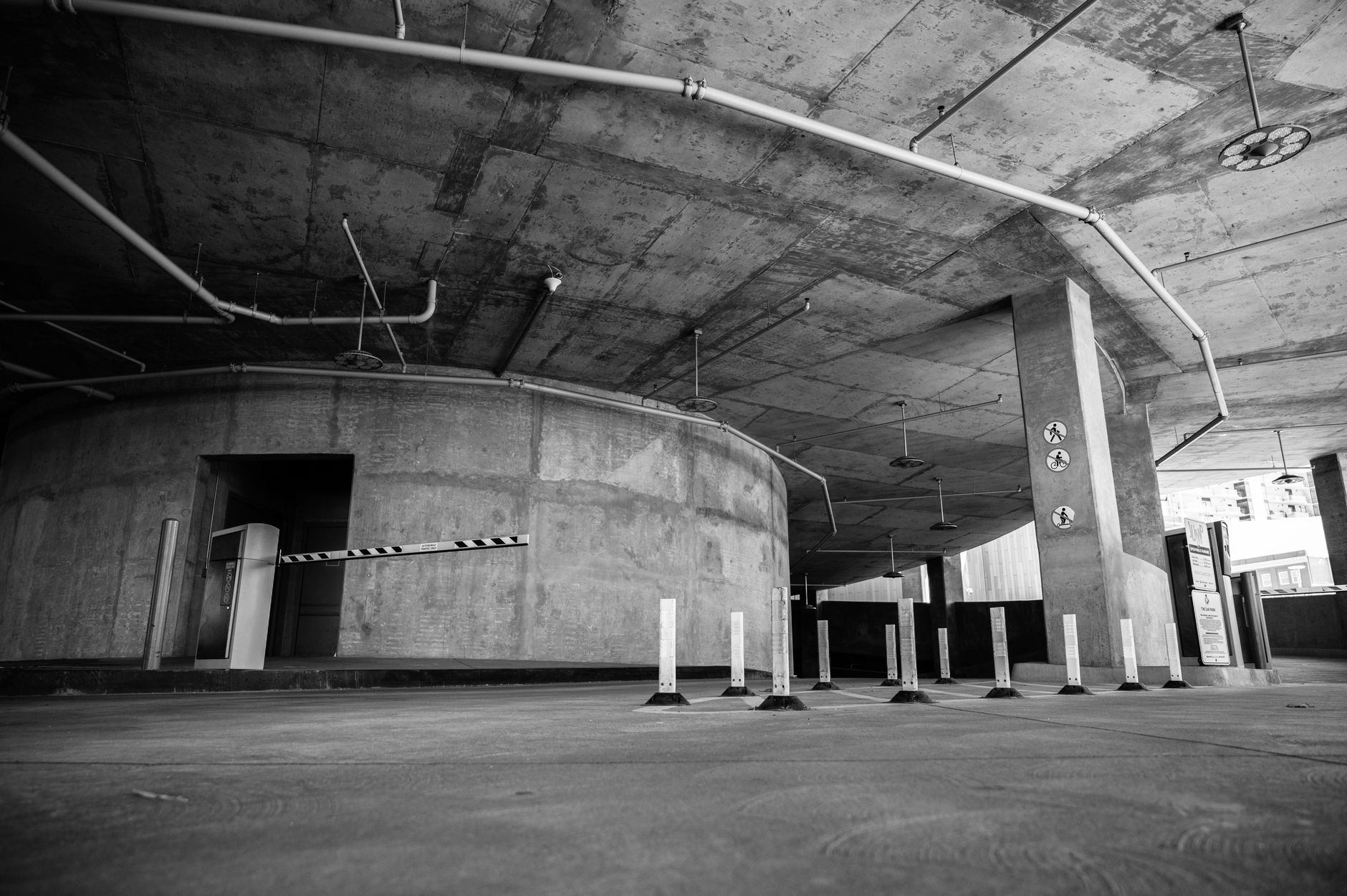
Cities as Force Multipliers
The core logic of the urban concealment doctrine is survivability before counterattack. Taiwan’s defense planners appear to have concluded that massing armor in open terrain against a PLA landing force equipped with guided anti-armor munitions and overwhelming fire support would be prohibitively costly. By dispersing tanks through Taipei’s street grid and other urban centers, crews can preserve combat power through the initial shock of an invasion, then move to engage landing forces at a time and place of their choosing.
The refueling component of the exercise is equally significant. Sustaining heavy armored vehicles in a degraded logistics environment — where ports, fuel depots, and supply lines would be primary Chinese strike targets — requires pre-positioning fuel and practicing resupply under realistic conditions. Training crews to conduct those operations in parking structures and under highway overpasses addresses exactly that vulnerability. Business Insider noted that the exercises have taken place within Taiwan’s actual urban infrastructure, not on a purpose-built training range, adding operational realism to the drills.
Doctrinal Signals and Strategic Stakes
The Han Kuang exercises, held annually, serve both a training function and a signaling one. Publishing images and details of tanks concealed in civilian infrastructure sends a message to Beijing that Taiwan intends to fight a protracted, distributed urban defense rather than be defeated in a conventional force-on-force engagement on beaches or open ground. That posture is consistent with broader asymmetric defense concepts Taiwan has been developing, drawing in part from lessons observed in Ukraine, where urban terrain repeatedly neutralized armored advantages held by the attacking force.
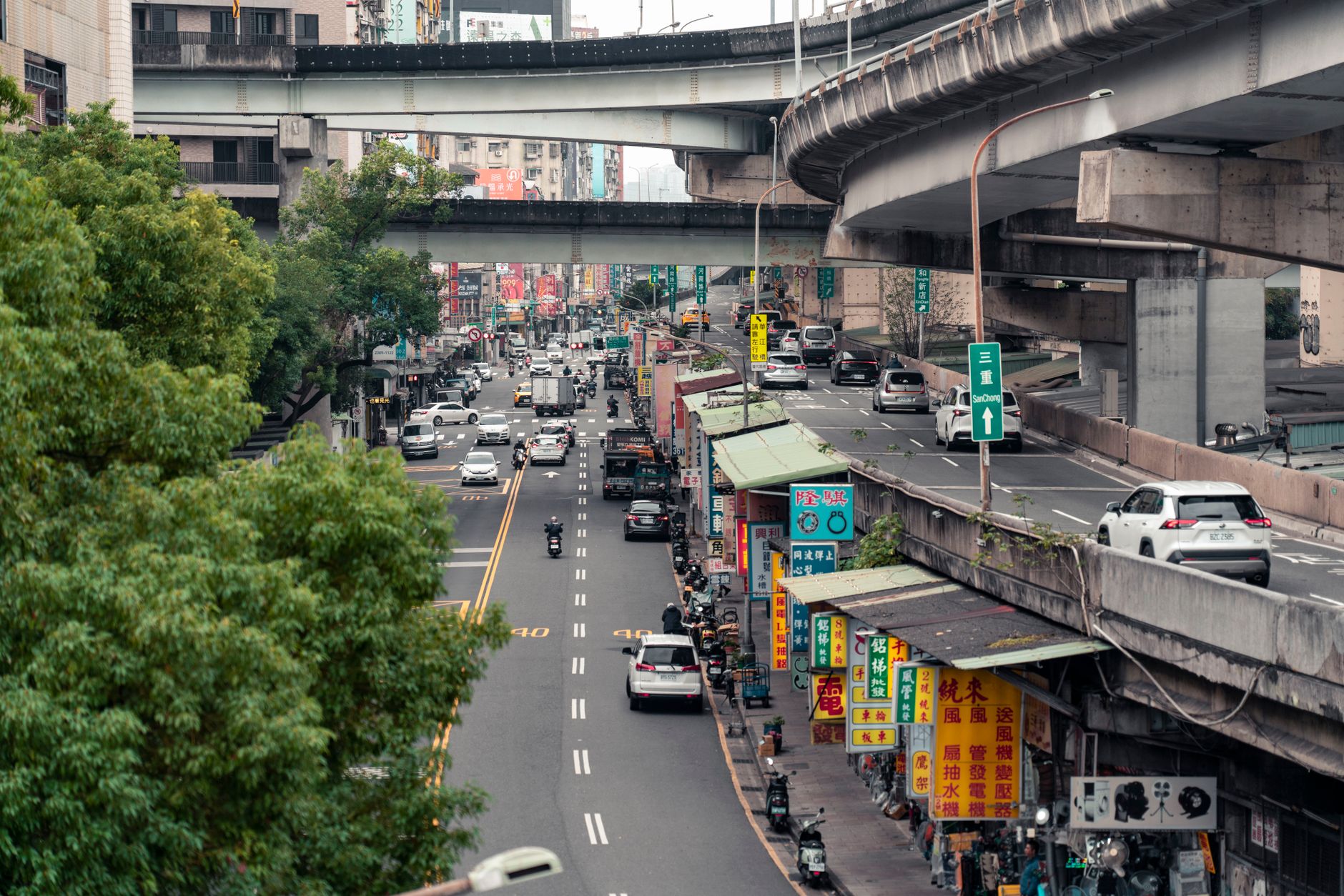
The training also underscores an emerging tension in Taiwan’s defense planning: the M1A2T is a heavyweight, high-capability system optimized for open-country maneuver warfare, yet Taiwan’s most defensible terrain is its cities. Adapting doctrine and crew training to reconcile those realities appears to be an ongoing process. Russian experiences with active protection systems against drone threats offer a parallel lesson in battlefield adaptation, as GDD has reported on tank survivability in modern contested environments. Whether Taiwan’s urban tank doctrine proves durable under actual combat conditions remains an open question, but the Han Kuang exercises suggest the island’s ground forces are at least rehearsing the problem seriously.