Fort Hood Opens Beer and Hard Seltzer Sales Inside Its Dining Facility, a First for the Post
Fort Hood has begun selling beer and hard seltzer at its dining facility, marking a notable shift in on-post quality-of-life policy.
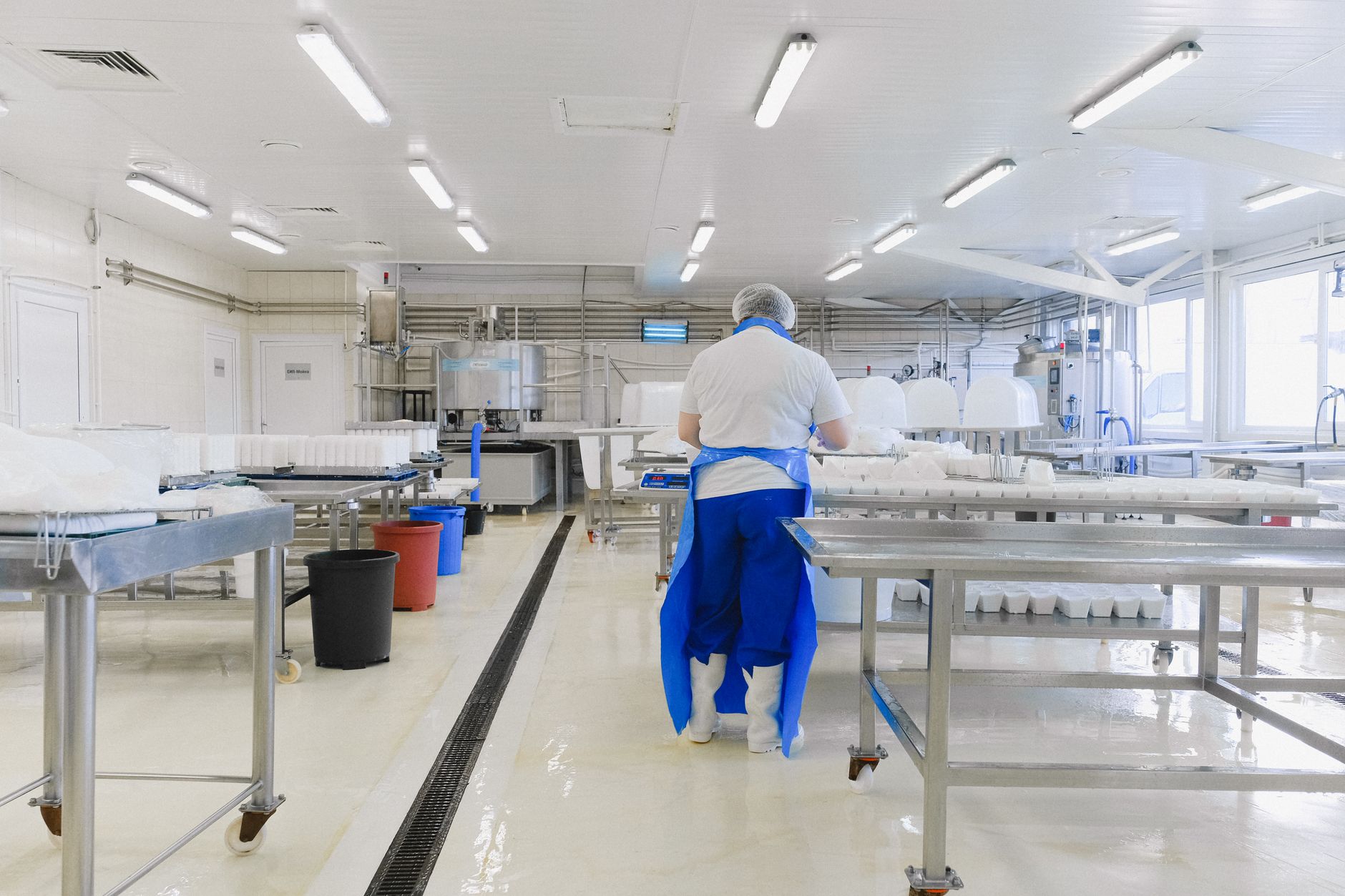
Fort Hood, the sprawling Army installation in Killeen, Texas, has begun selling beer and hard seltzer directly inside its dining facility, a policy change that marks a meaningful, if modest, shift in how the post approaches soldier quality of life. The move, first reported by Task and Purpose in an article titled “Soldiers can now buy beer and hard seltzer at Fort Hood’s dining hall,” drew immediate attention across military social media circles and reignited broader discussions about troop morale and service member wellbeing at large installations.
Fort Hood’s official social media account announced the change in an X post confirming that soldiers can now purchase the beverages at the dining facility.
What the Policy Allows — and What Remains Unclear
According to Task Purpose reporting, the sales are limited to beer and hard seltzer — no spirits or wine were mentioned as part of the program. The distinction matters: Army installations have long maintained tight controls over alcohol access as part of broader efforts to address readiness, behavioral health, and safety concerns tied to alcohol misuse. Allowing low-alcohol-content beverages in a supervised dining environment represents a calibrated middle ground rather than an across-the-board liberalization of on-post alcohol policy.
Fort Hood, officially redesignated as Fort Cavazos in 2023 but still widely referred to by its legacy name in common usage, is one of the largest military installations in the United States by population. Changes to its policies often carry outsized symbolic weight, as the post houses tens of thousands of active-duty soldiers and their families. Officials have not indicated whether the dining facility alcohol program is a permanent feature, a pilot initiative, or part of a wider Army effort to revisit on-post quality-of-life standards.
Morale, Readiness, and the Broader Context
The timing of the announcement lands amid ongoing Army-wide conversations about soldier retention and morale. Senior Army leaders have publicly acknowledged that quality-of-life improvements — ranging from housing conditions to recreational access — factor into a service member’s decision to reenlist or separate. Whether alcohol availability in a dining setting meaningfully moves that needle is a matter of debate, but the gesture signals a willingness at the installation level to experiment with policy levers that had long been considered fixed.
The Army has simultaneously been working to address equipment readiness shortfalls, as covered in reporting on Army ground systems, underscoring that morale and materiel readiness are being pursued in parallel rather than as competing priorities. At Fort Hood specifically, the dining facility change is unlikely to generate significant operational impact on its own, but it reflects an institutional appetite for incremental reforms aimed at making garrison life more tolerable for soldiers who spend long stretches between deployments on post. Officials have offered no timeline for evaluating the program or expanding it to other facilities.