USS Theodore Roosevelt Wraps Indo-Pacific Deployment, Heads Home to San Diego
USS Theodore Roosevelt is returning to San Diego after an Indo-Pacific deployment marked by joint operations and regional deterrence missions.
The USS Theodore Roosevelt, one of the U.S. Navy’s Nimitz-class nuclear-powered supercarriers, is returning to its home port of San Diego following a deployment to the Indo-Pacific, according to Forbes reporting by Peter Suciu. The carrier’s return marks the conclusion of a deployment that took it through some of the most strategically sensitive waters in the region. As the U.S. carrier fleet continues operating across multiple theaters simultaneously, the Roosevelt’s homecoming offers a moment to assess what that presence has accomplished — and what comes next for a strike group that has been away from its home port for an extended period.
The deployment unfolded against a backdrop of sustained great-power competition in the Pacific, where the presence of a carrier strike group carries weight well beyond the immediate tactical situation. Carrier operations in the Indo-Pacific are a routine but deliberate signal to allies and rivals alike, and the Roosevelt’s time in the region reflects the broader pattern of forward naval presence that Washington has maintained. For context on how the Navy is managing those commitments across multiple strike groups, GDD’s coverage of U.S. carrier deployments details how the fleet has been split across three theaters simultaneously.
Strike Group Operations and Regional Engagements
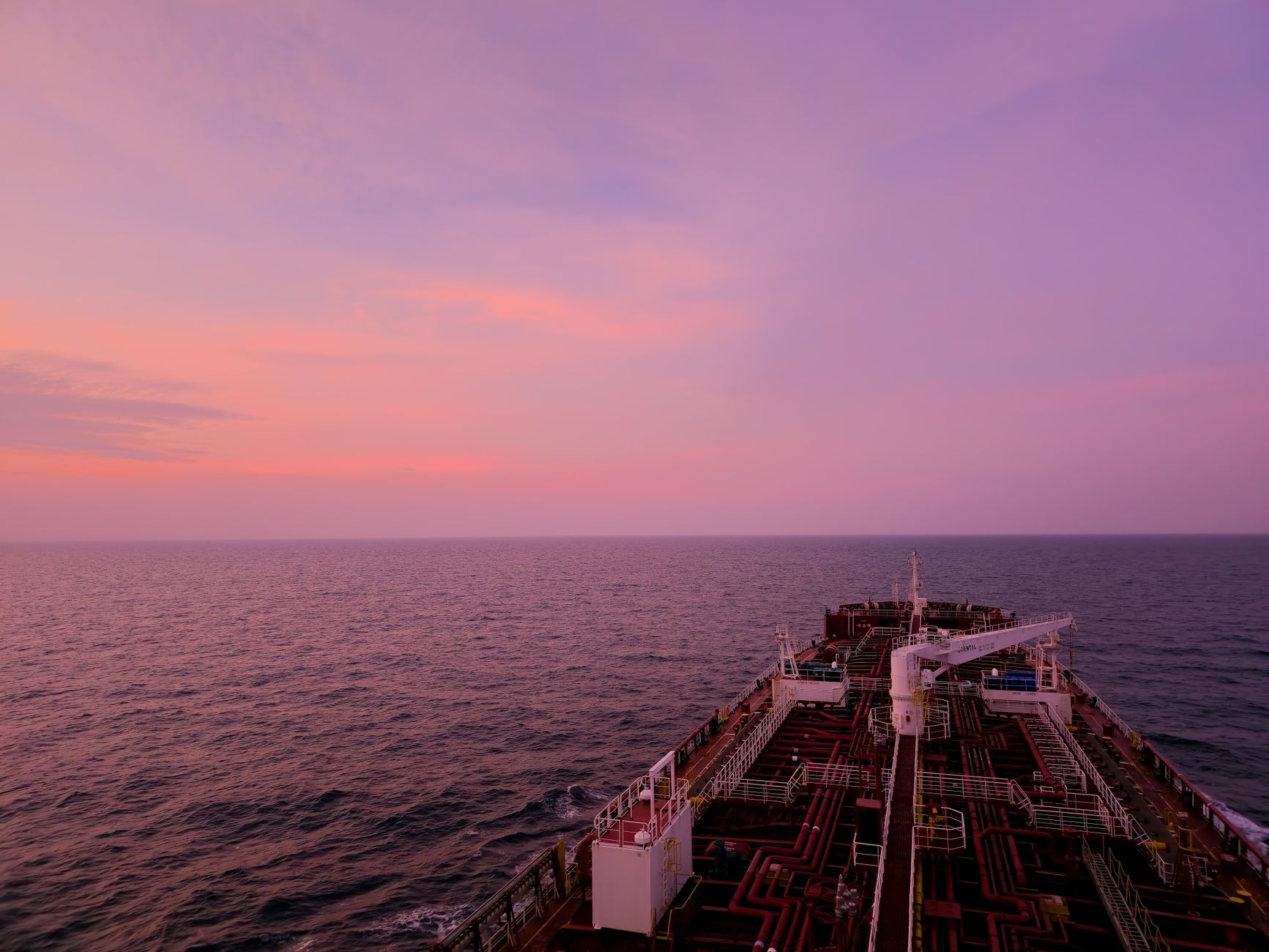
During its deployment, the Theodore Roosevelt Carrier Strike Group conducted a range of operations consistent with standard Indo-Pacific tasking, including presence patrols, exercises with partner nations, and coordination with other U.S. and allied naval forces in the region. The Navy has not publicly detailed every port visit or exercise conducted during the deployment, but the strike group’s presence in the region coincided with a period of elevated activity across the Pacific Fleet. Earlier in the summer, a separate carrier conducted an international helicopter exchange, demonstrating the kind of allied integration that characterizes current Indo-Pacific operations, as documented in Forbes coverage of that exercise.
The broader carrier posture in the Pacific has also been complicated by operations near waters claimed by Beijing. In late July, the Navy’s forward-deployed carrier entered disputed waters in the South China Sea — a routine freedom-of-navigation assertion that nonetheless carries significant diplomatic weight. The Roosevelt’s own transit and operational routing during its deployment have not been fully disclosed by the Navy, which is standard practice for operational security reasons.
Readiness and What Follows the Deployment
With the Roosevelt now heading home, the ship and its air wing will enter a post-deployment period that typically includes maintenance, crew rest, and reconstitution of readiness before the next tasking cycle. Nimitz-class carriers are nuclear-powered, giving them effectively unlimited range and endurance at sea — the limiting factor for deployment length is crew endurance and aviation component wear, not fuel. The ship displaces approximately 100,000 tons at full load and operates an air wing that can include dozens of fixed-wing aircraft and helicopters, though the Navy has not specified the current air wing composition for this deployment.
The return also comes as the Navy manages broader questions about sustained deployment lengths across its carrier force. The USS Abraham Lincoln has separately been track record deployment, illustrating the pressure the service is under to maintain global presence with a finite number of hulls. The Roosevelt’s arrival back in San Diego will provide some relief for Pacific Fleet planners, but the tempo of Indo-Pacific operations shows no sign of easing as competition with China over regional influence and maritime access continues to define the strategic environment. GDD’s earlier analysis of autonomous maritime teaming off Taiwan’s coast underscores how the Navy is also investing in unmanned concepts to extend its operational reach without proportionally increasing crew demands.