U.S. Carrier Fleet Split Across Three Theaters as Abraham Lincoln Extends Record Deployment
A snapshot of the U.S. Navy’s carrier fleet on August 3, 2026, shows ships divided across the Indo-Pacific, Middle East, and home waters.
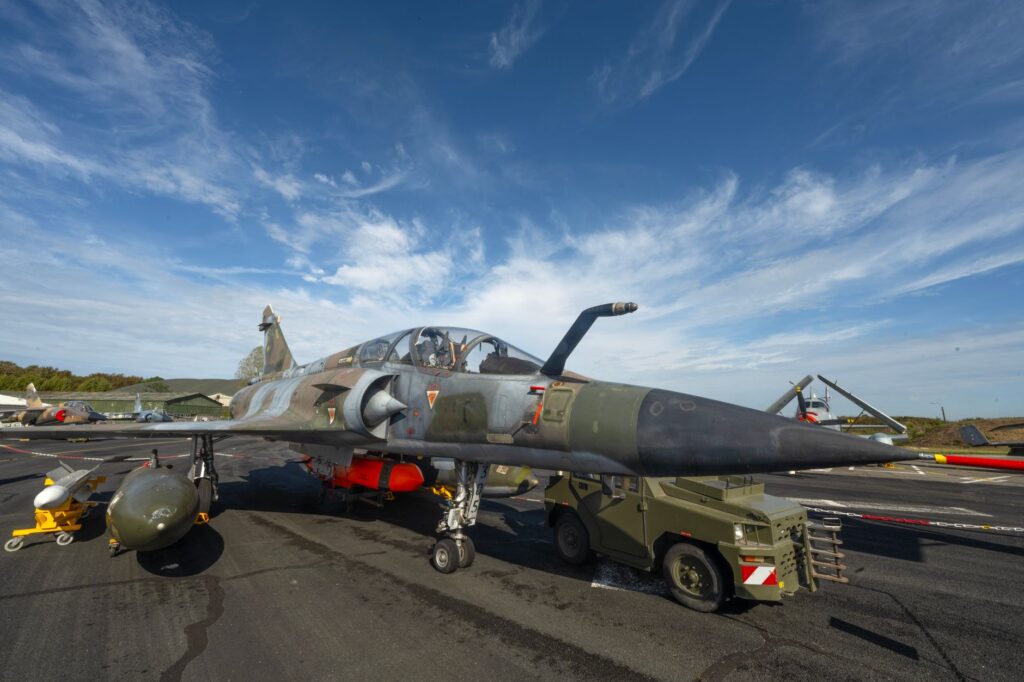
The U.S. Navy’s aircraft carrier fleet was distributed across multiple theaters as of August 3, 2026, with ships on active deployment in the Middle East and the Western Pacific while others remained in various stages of stateside maintenance or workup cycles, according to The War Zone’s weekly carrier-tracking report. The snapshot underscores the sustained operational tempo the Navy has maintained through 2026, a period marked by persistent tensions in both the Indo-Pacific and the broader Middle East region. For context on how autonomous systems are increasingly shaping U.S. maritime posture in the Pacific, see GDD’s earlier coverage of the autonomous maritime teaming demonstration conducted off Taiwan’s coast.
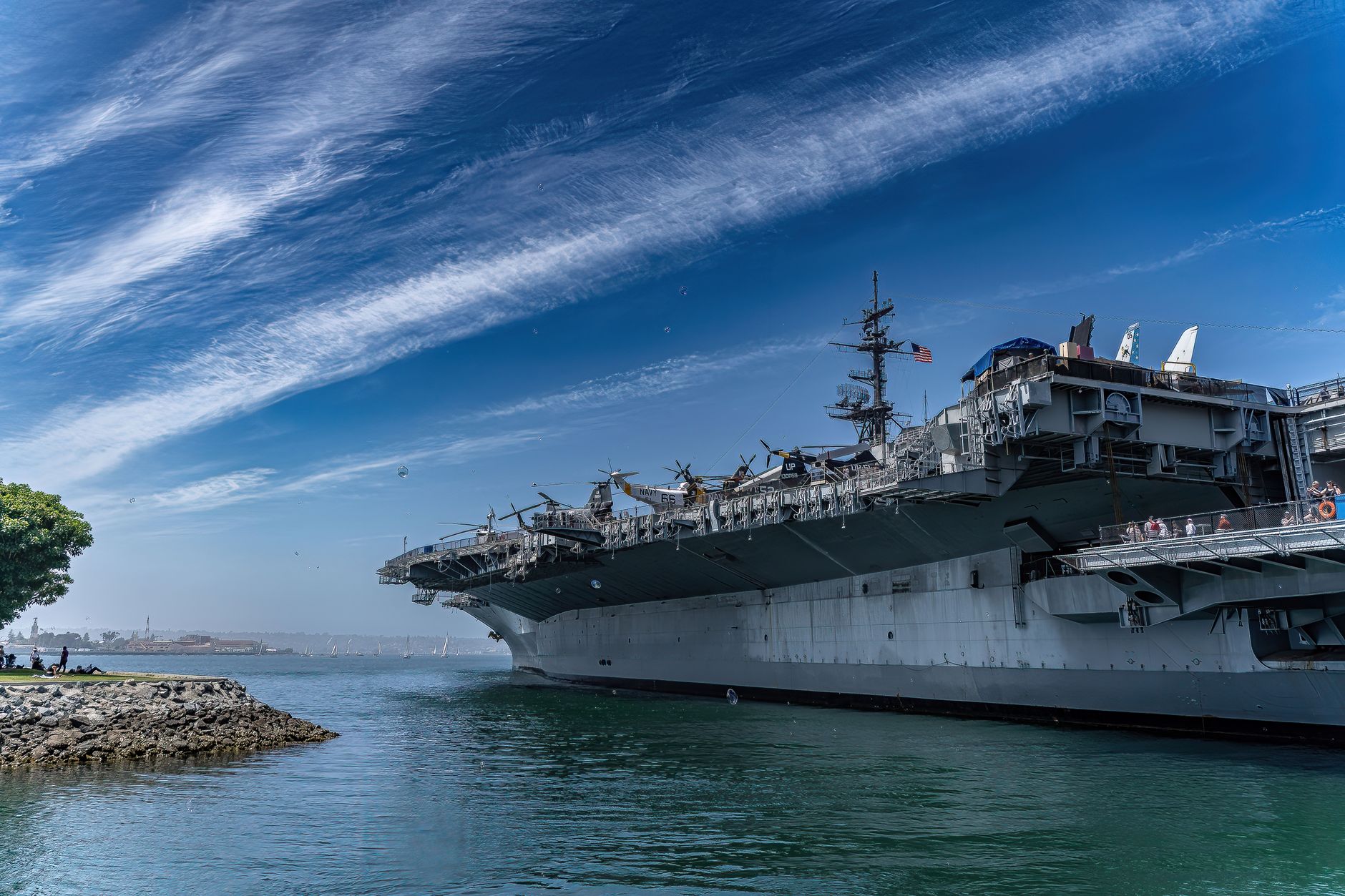
USS Abraham Lincoln (CVN-72) remained the most operationally notable carrier in the fleet at the time of the report, continuing what has been described as a record-length deployment. According to Forbes reporting from earlier this summer, Lincoln was on track to surpass previous deployment duration benchmarks, a development that reflects both high demand for forward presence and ongoing constraints in the overall number of carriers available for tasking at any given time.
CENTCOM Presence and Middle East Operations
In the U.S. Central Command area of responsibility, carrier operations continued without pause. A CENTCOM announcement confirmed ongoing carrier strike group activity within the command’s area of operations, illustrating the sustained naval commitment the United States has maintained in the region through an extended period of elevated activity.
The continued CENTCOM presence places real strain on fleet rotation schedules. With Lincoln’s deployment already stretching into record territory and at least one carrier committed to the Middle East, the Navy’s ability to simultaneously sustain a credible forward presence in the Western Pacific — the primary theater of concern for long-range strategic planners — depends heavily on the readiness status of ships cycling through maintenance and pre-deployment workups along the U.S. East and West Coasts. Officials have not confirmed precise operational schedules for carriers currently in stateside status.
Fleet Composition and Carrier Air Wing Constraints
A separate dimension of the fleet’s current posture involves the aircraft embarked aboard older carriers. As Forbes noted in July, the Navy’s oldest active carriers have not embarked the newest generation of fighter aircraft, a gap with operational implications as adversary air defense and electronic warfare capabilities continue to advance. That disparity means not all carrier strike groups bring equivalent strike capacity to a theater, a consideration planners must weigh when allocating hulls to specific commands.
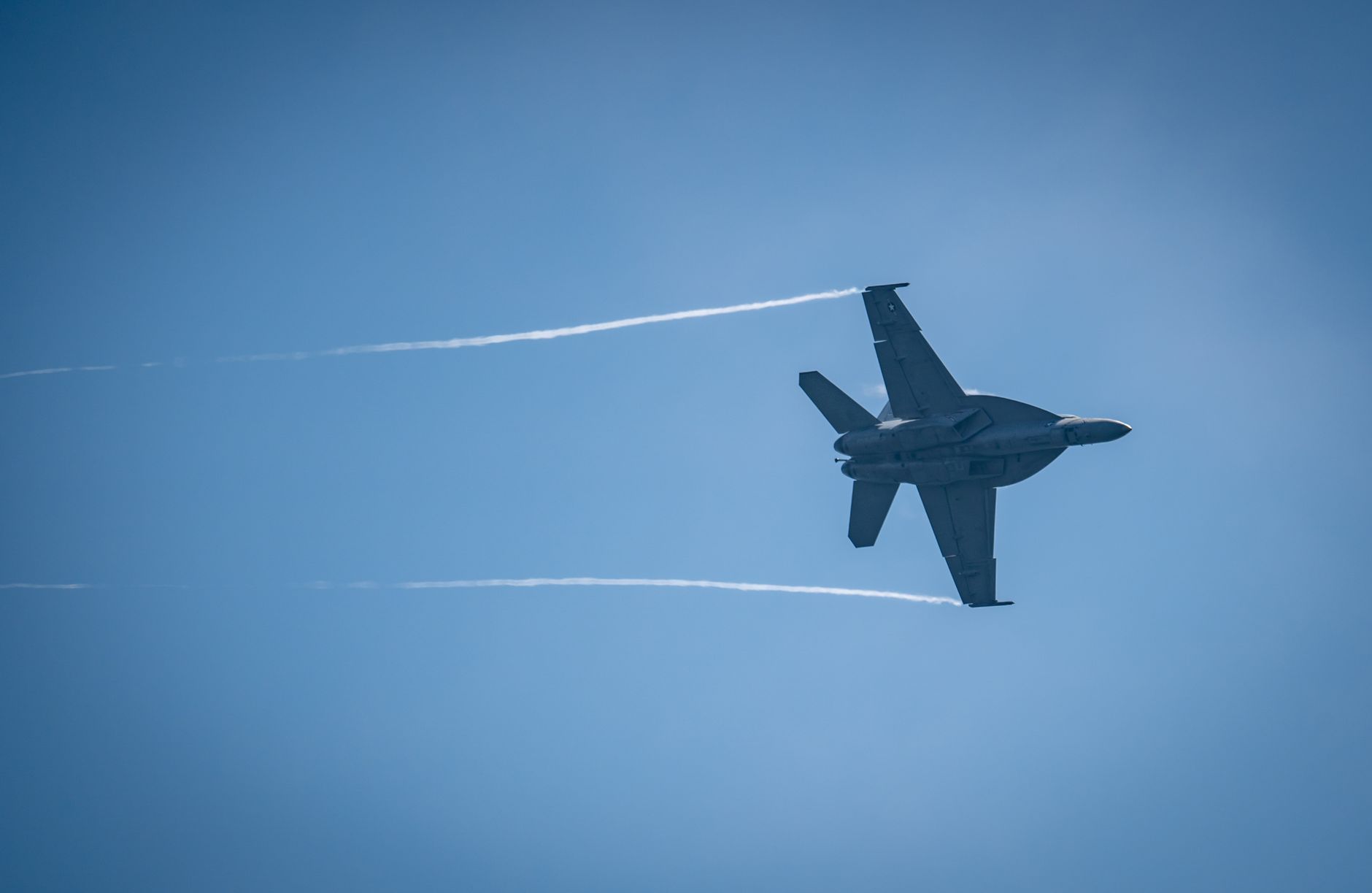
The question of which aircraft fly off which decks connects directly to broader Navy modernization challenges. Older hulls in the fleet are constrained in the systems they can support, and the pace of recapitalization remains a persistent concern for congressional overseers and service planners alike. GDD has tracked related modernization pressures across other platforms, including B-52 upgrade programs where the Government Accountability Office has flagged cost overruns and schedule delays as cautionary examples of what happens when legacy platforms are stretched beyond planned service lives. The carrier fleet faces structurally similar pressures, even if the timeline and specifics differ considerably.
As of the August 3 reporting date, The War Zone did not publish a confirmed count of exactly how many carriers were simultaneously at sea versus in port, and officials have not provided a real-time breakdown of all hull locations for operational security reasons. The public-facing CENTCOM communications and the Lincoln deployment record nonetheless offer the clearest window available into where the fleet’s assets are concentrated and for how long.