Rolls-Royce’s Robotic Arm Could Reshape How Military Jet Engines Are Built
Rolls-Royce’s BARB robot automates jet engine assembly tasks, offering a glimpse at the future of defense-industrial manufacturing.
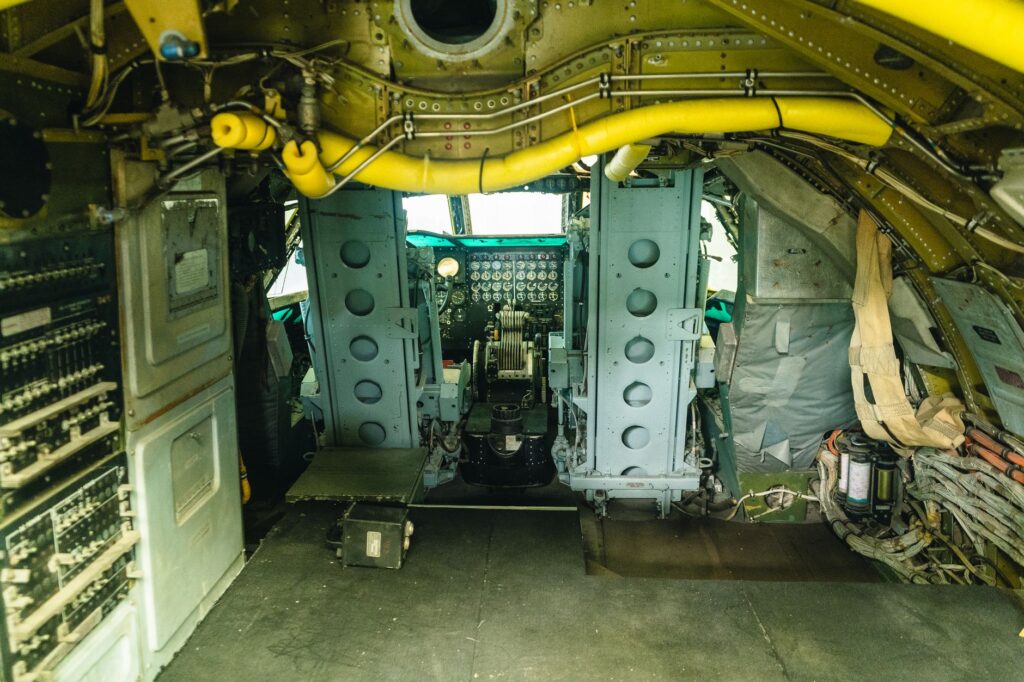
Rolls-Royce has developed a robotic system capable of performing some of the most physically demanding and precision-critical tasks in jet engine assembly, offering a potential model for how the defense industry might address manufacturing bottlenecks in an era of rising production pressure. The system, known as BARB — short for Braided Arm Robot — represents one of the more concrete examples of automation moving from laboratory concept to factory floor in aerospace manufacturing. As The War Zone reported, BARB is designed to work inside the confined interior of jet engine casings, a space that has historically required human technicians to contort themselves into difficult and ergonomically hazardous positions.
The timing of this development carries broader significance. Defense manufacturers across the United States and United Kingdom have faced persistent questions about their capacity to scale production of complex systems, a concern that mirrors debates playing out across multiple platforms — including, as GDD has covered, the push to accelerate acquisition reform at the special operations level. Robotic systems like BARB represent one answer to that structural challenge: reduce dependence on scarce skilled labor for the most repetitive or physically punishing assembly steps.
What BARB Does and How It Works
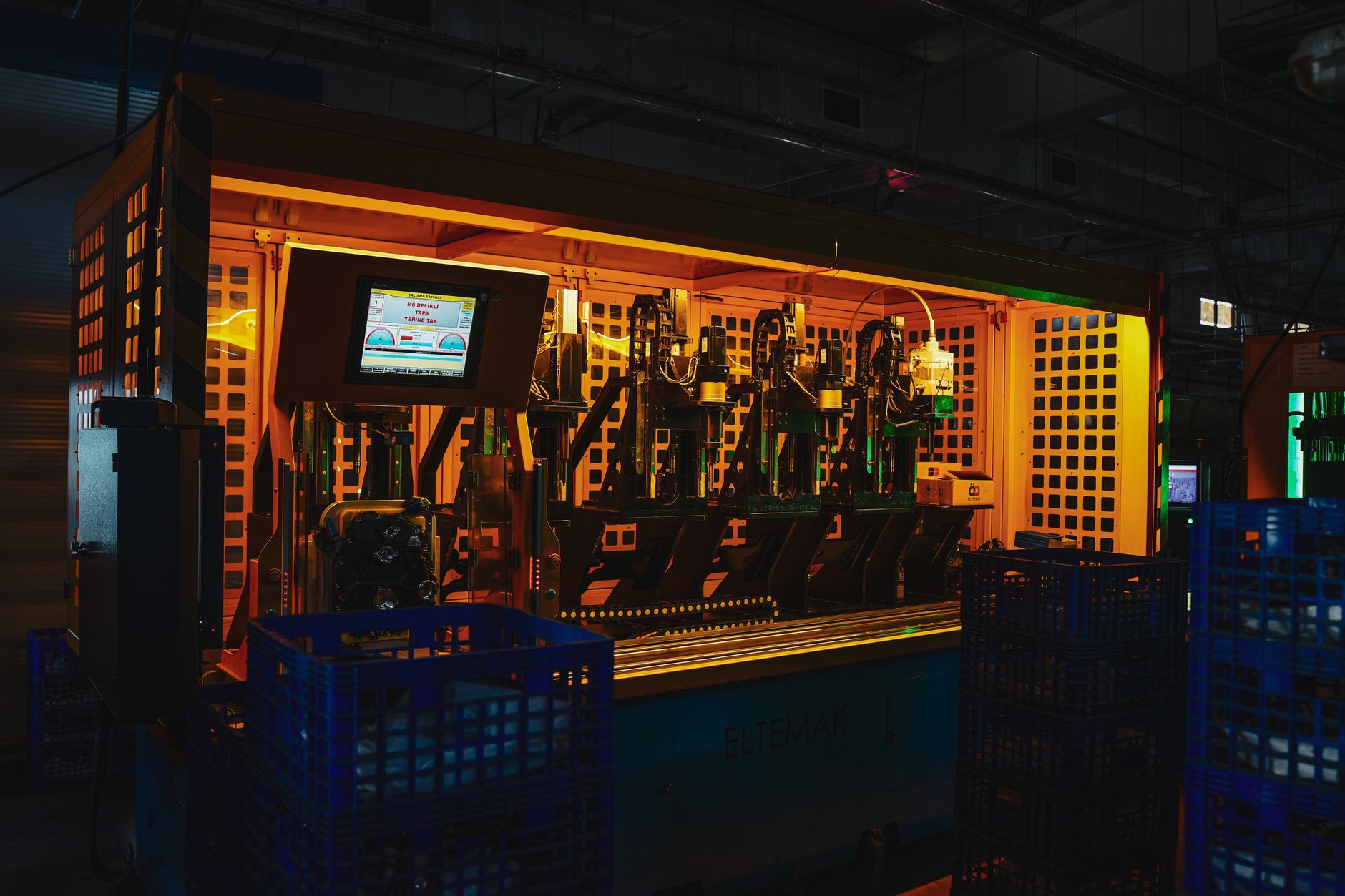
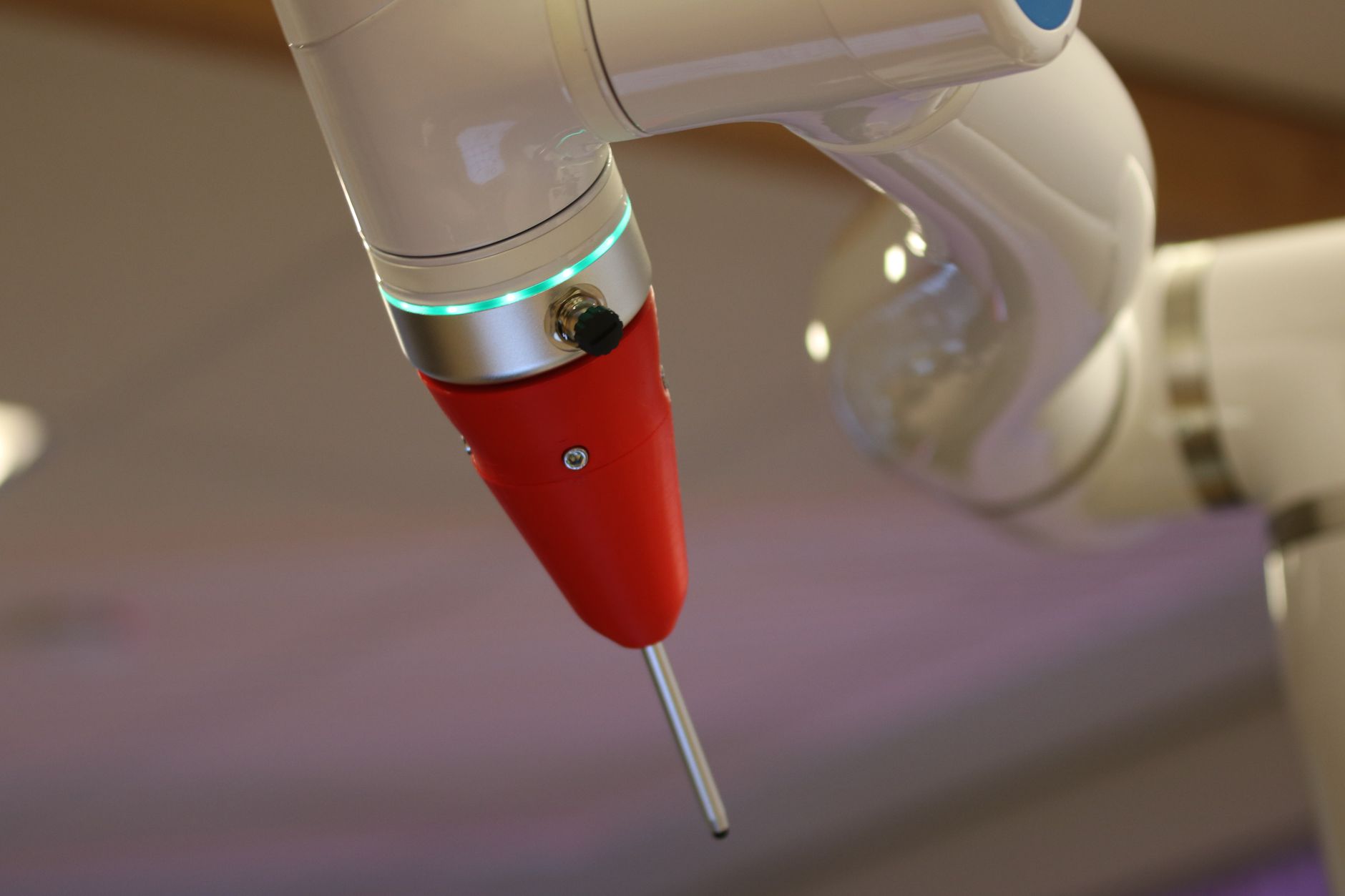
BARB’s defining characteristic is its flexible, snake-like arm structure, which allows it to reach into the tight interior geometry of an engine casing and carry out tasks such as drilling and inspection. Traditional rigid robotic arms cannot navigate these spaces without risking contact with surrounding hardware, making manual labor the default for interior assembly work. The braided design of BARB’s arm gives it the range of motion needed to operate where conventional automation cannot.
According to The War Zone’s reporting, the system is built to handle the physical demands of working within engine nacelles and casings — environments where access is constrained and where mistakes carry significant downstream consequences for engine performance and safety. The robot’s development reflects a broader Rolls-Royce investment in automating the more hazardous and ergonomically damaging elements of engine production, reducing injury risk for workers while also improving consistency in tasks that benefit from machine precision over human variability.
Industrial and Strategic Implications for Defense Production
The defense relevance of BARB extends well beyond any single engine program. Jet engines power virtually every high-performance military aircraft in NATO inventories, and the ability to manufacture and maintain them at scale has become a strategic variable in its own right. Supply chain constraints and workforce shortages have slowed production timelines across several platforms in recent years, and automation that can absorb repetitive or high-skill manual steps without proportionally scaling headcount addresses a real industrial problem.
Rolls-Royce has not publicly specified which engine programs BARB is intended to support or when the system might transition from development to serial production use. What the company has demonstrated is that the technical barrier to automating interior engine assembly — long considered one of the harder problems in aerospace robotics — is not insurmountable. How quickly that capability translates into measurable production gains will depend on integration costs, regulatory qualification requirements, and the pace at which manufacturers are willing to restructure established assembly lines around new tooling. For an industry under mounting pressure to produce more and produce faster, BARB is an early but substantive signal of where factory-floor technology is heading. The broader shift toward unmanned and automated systems is reshaping not just what militaries field, but how the industrial base that supports them is organized — a dynamic also visible in the aerospace sector’s reckoning with unmanned aircraft and the legacy systems they are displacing.