Ukraine Pushes to Build Indigenous Patriot-Class Air Defense Despite Major Technical and Political Hurdles
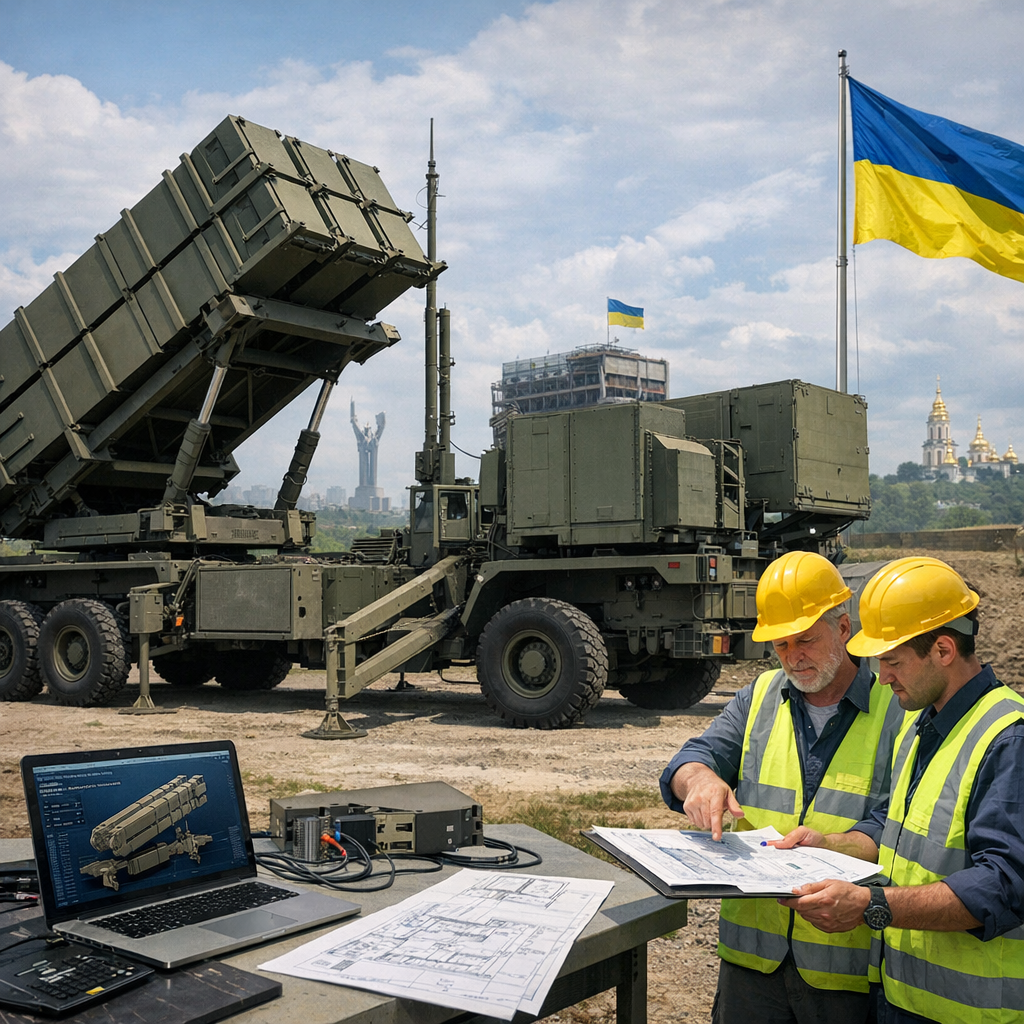
A report published by Defense News, titled “Ukraine can soon build its own Patriots, but it could take years,” outlines Kyiv’s growing ambition to domestically produce advanced air and missile defense systems, while emphasizing the significant technical, industrial, and political hurdles that remain.
Ukraine’s push to develop its own version of the U.S.-made Patriot air defense system reflects both wartime necessity and long-term strategic planning. As detailed in the original Defense News report, since Russia’s full-scale invasion began in 2022, Patriot batteries supplied by Western allies have become a critical component of Ukraine’s defense against ballistic and cruise missile attacks. However, limited inventories, slow production rates in the United States and Europe, and the ongoing threat environment have driven Ukrainian officials to explore sovereign production capabilities.
According to Defense News, Ukrainian authorities have signaled that the country is moving closer to establishing the capacity to build systems comparable to the Patriot. This effort is expected to involve partnerships with Western defense firms, technology transfers, and the expansion of Ukraine’s domestic defense-industrial base. Ukrainian officials view local production as a way to ensure more reliable access to high-end air defense systems, reduce dependence on foreign supply chains, and strengthen long-term deterrence.
Despite these ambitions, the timeline for achieving meaningful domestic production remains uncertain and could stretch across several years. The Patriot system is among the most sophisticated air defense platforms in the world, requiring advanced radar technology, precision manufacturing, interceptor missile production, and highly integrated command-and-control systems, as outlined by the U.S. Army’s Patriot system overview. Replicating or licensing such capabilities involves not only technical complexity but also regulatory and political considerations, particularly given restrictions on sensitive defense technologies governed in part by U.S. ITAR regulations.
Defense News reports that one of the central challenges lies in securing agreements with U.S. defense contractors and the U.S. government, which closely controls the export and transfer of Patriot-related technologies. Even with political support, setting up production lines, training personnel, and ensuring quality control would be a lengthy process. Additionally, Ukraine’s industrial infrastructure has been repeatedly targeted by Russian strikes, raising questions about the security and sustainability of large-scale defense manufacturing within the country during an active conflict, a concern frequently highlighted in reporting by outlets such as Reuters Europe coverage.
Western defense companies have shown increasing interest in cooperating with Ukraine, viewing the country as both a partner in resisting Russian aggression and a potential future hub for defense manufacturing. Several firms have already announced joint ventures or plans to establish production facilities in Ukraine. However, the integration of highly sensitive systems like Patriot components would require deeper levels of trust, security assurances, and long-term investment.
The effort to localize Patriot production also intersects with broader trends in European defense. The war in Ukraine has exposed gaps in air and missile defense capabilities across NATO, prompting renewed investment and discussions about co-production and industrial resilience, as noted by NATO’s missile defense overview. Ukraine’s initiative could eventually align with these efforts, potentially contributing to a more distributed and scalable defense manufacturing network across Europe.
In the near term, Ukraine will continue to rely heavily on Western-supplied systems to defend its skies. Patriot batteries remain in high demand globally, and production constraints are unlikely to ease quickly. As a result, Ukraine’s pursuit of domestic production should be understood as a long-term strategic project rather than an immediate solution to current battlefield needs.
As Defense News makes clear, Ukraine’s goal of building its own Patriot-like systems represents both ambition and necessity. While technically feasible with sufficient time and international cooperation, the path forward is complex and fraught with challenges that extend well beyond engineering. The outcome will depend on sustained political support, industrial investment, and the evolving dynamics of the war itself, trends also tracked in global defense analyses by organizations like the Stockholm International Peace Research Institute (SIPRI).