Trump Claims Iran Abandoning Nuclear Weapons Program as Questions Swirl Over $300 Million Payment Rumor
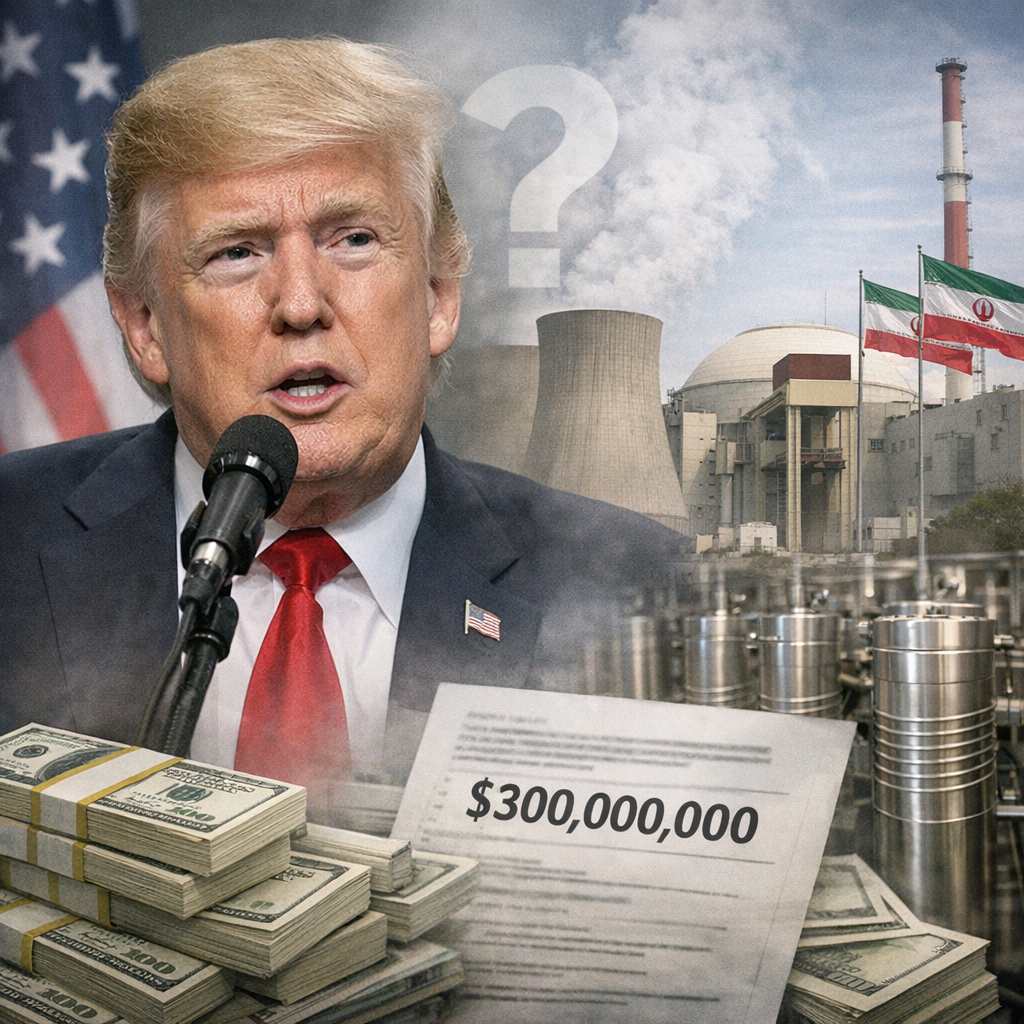
A report published by i24NEWS, titled “Trump: Iran has agreed to never have nuclear weapons; US paying Iran $300 million is fake news – live blog,” outlines a series of statements and developments surrounding tensions between Washington and Tehran, highlighting both political messaging and the ongoing uncertainty over Iran’s nuclear ambitions.
According to the i24NEWS live coverage, former U.S. President Donald Trump asserted that Iran had effectively committed to abandoning any pursuit of nuclear weapons, a claim that stands in contrast to longstanding concerns expressed by U.S. officials, European governments, and international watchdogs such as the International Atomic Energy Agency (IAEA). Trump’s remarks, as cited in the report, reflect his broader approach to Iran during and after his presidency, emphasizing pressure tactics and unilateral declarations over multilateral agreements such as the 2015 Joint Comprehensive Plan of Action.
The article also addresses circulating claims that the United States had authorized a $300 million payment to Iran. Trump dismissed these reports as “fake news,” reinforcing his repeated criticism of financial concessions to Tehran. The allegation, widely shared in some political and media circles, has not been substantiated by official U.S. sources, and the i24NEWS report underscores the lack of verified evidence supporting the claim, with similar skepticism reflected in coverage by outlets like Reuters’ Middle East reporting.
Beyond these statements, the live blog format situates Trump’s comments within a wider geopolitical context marked by heightened rhetoric and fragile diplomatic channels. Questions remain over Iran’s nuclear program, particularly following years of reduced compliance with international inspection frameworks and enrichment limits that were originally imposed under the JCPOA, developments documented in IAEA reports on Iran.
The i24NEWS coverage reflects the continuing volatility of U.S.-Iran relations, where public declarations often diverge from intelligence assessments and diplomatic realities. Analysts caution that assertions about Iran’s intentions, whether optimistic or dismissive, do little to resolve the underlying strategic tensions or address the mechanisms needed to ensure long-term nuclear restraint, a concern echoed in analyses from institutions like the Brookings Institution.
As the situation evolves, competing narratives from political leaders and media outlets continue to shape public understanding, underscoring the importance of verifiable information in a highly sensitive and consequential area of international security.