Critique Targets Media Framing of Hezbollah Role
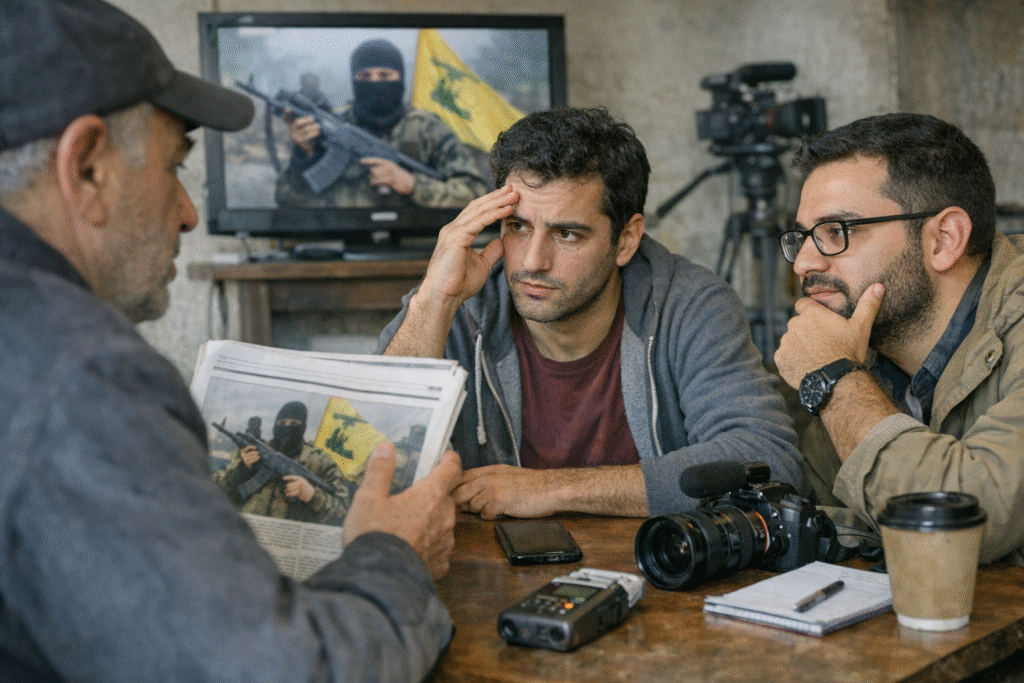
A recent opinion essay published on the newsletter platform Substack is drawing attention for its critique of how major Western media outlets frame the role of Hezbollah in ongoing regional conflicts. In the piece, titled “The Media’s Inversion of Hezbollah’s Role,” the author argues that coverage of the Iran-backed Lebanese militia frequently mischaracterizes its actions and strategic posture, presenting a distorted understanding of both its influence and its intent.
The article contends that Hezbollah, widely designated as a terrorist organization by the United States and several allied governments, is often portrayed in international reporting primarily through the lens of deterrence or defensive positioning. According to the author, such framing minimizes or obscures the group’s historical and ongoing involvement in militant operations, political coercion within Lebanon, and coordination with Iran’s broader regional agenda.
Central to the critique is the claim that some reporting inverts causality, depicting Hezbollah as reacting to external pressures rather than acting as an initiator of escalation. The Substack piece argues that this inversion risks misleading audiences about the dynamics at play along Israel’s northern border and within Lebanon itself, where Hezbollah wields significant military and political power. The author maintains that by emphasizing responses over provocations, media narratives can inadvertently shift accountability away from the group.
The article also raises concerns about the broader implications of such framing for public understanding and policymaking. By presenting Hezbollah’s posture as largely defensive, the author suggests, coverage may downplay the extent of Iranian influence in the region and the strategic objectives that guide Hezbollah’s actions. This, in turn, could affect how international audiences interpret developments in Lebanon, Israel, and neighboring states.
At the same time, the author acknowledges that reporting on complex conflicts often involves interpreting incomplete or rapidly evolving information. Journalists must weigh competing claims, assess credibility, and provide context under tight deadlines. The Substack essay argues, however, that these challenges do not fully account for what it describes as consistent patterns in how Hezbollah is characterized across multiple outlets.
The critique has entered an already active debate over media coverage of armed groups and non-state actors in the Middle East. Analysts and commentators have long differed on how to balance descriptive neutrality with the need to contextualize organizations designated as terrorist entities by some governments but integrated into political systems in others, as Hezbollah is in Lebanon.
While the Substack article presents a pointed perspective, it reflects broader concerns about narrative framing in international reporting. Questions about how language, emphasis, and source selection shape public perception remain central to discussions of journalistic standards and responsibility, particularly in regions marked by longstanding conflict and competing narratives.
As coverage of tensions involving Hezbollah continues, the issues raised in “The Media’s Inversion of Hezbollah’s Role” highlight the ongoing scrutiny facing news organizations over how they characterize actors whose roles blur the line between political participation and militancy.