Iran Tensions Edge Toward Wider Conflict
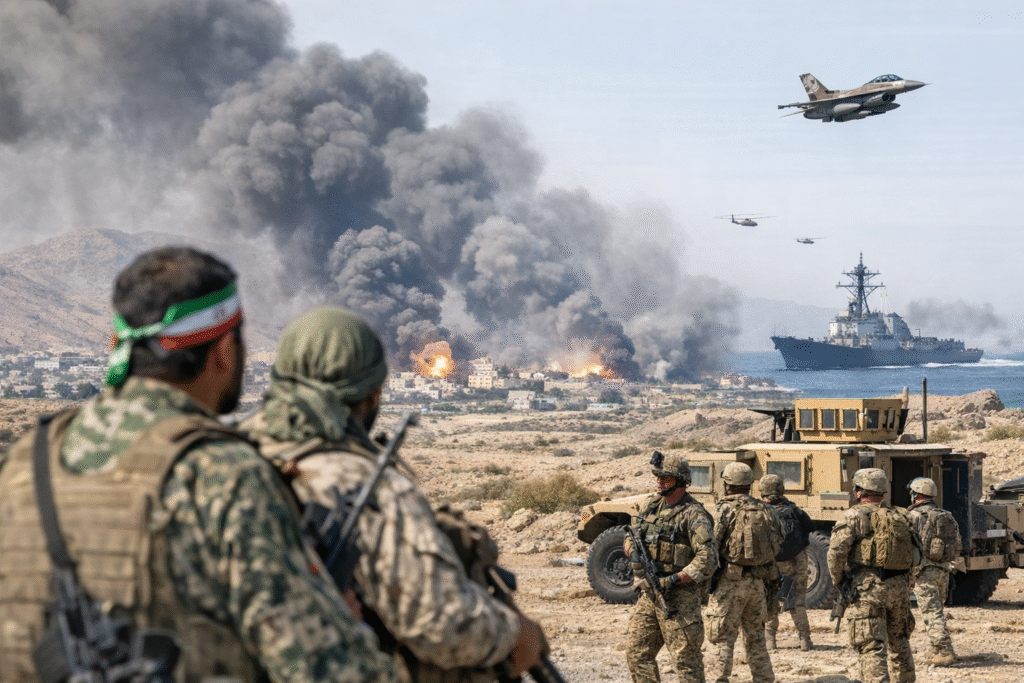
A recent analysis published on the Substack page “Mr. Andrew Fox” under the headline “The Iran War Is Starting to Look…” argues that the trajectory of tensions involving Iran is increasingly resembling the early stages of a broader and more dangerous regional conflict. The article contends that a convergence of military signaling, proxy engagements, and strategic miscalculation risks pushing longstanding hostilities into a more direct phase.
Fox’s assessment situates current developments within a pattern of escalation that has shifted beyond isolated incidents. He points to a steady normalization of retaliatory strikes and counterstrikes, particularly involving Iran-aligned groups across the Middle East, as well as responses from Israel and, at times, the United States. According to the piece, what once might have been viewed as contained, deniable actions now appear more overt and coordinated, suggesting a lowered threshold for confrontation.
The analysis emphasizes how proxy warfare, long a defining feature of Iran’s regional posture, is becoming less predictable. Militias and affiliated armed groups operating in places such as Iraq, Syria, Lebanon, and Yemen have increased both the scale and frequency of attacks. Fox argues that this diffusion of conflict complicates deterrence, as responses aimed at one group may not effectively restrain others, creating a cycle that is harder to control.
A central concern raised in the article is the risk of miscalculation. Fox notes that escalating strikes and counterstrikes can produce unintended consequences, especially when multiple actors operate with overlapping but not identical objectives. The accumulation of such incidents raises the likelihood that a single event—misinterpreted or disproportionate in scale—could trigger a wider confrontation.
The article also highlights the role of domestic political pressures among key actors. Governments facing internal challenges may be more inclined to adopt assertive external postures, both to project strength and to deter adversaries. In this context, Fox suggests that decision-making timelines can shrink, leaving less room for de-escalation or diplomatic intervention.
While the analysis stops short of predicting an inevitable large-scale war, it underscores that current dynamics bear resemblance to earlier conflict buildups in the region. The pattern, as described, is one of incremental escalation, expanding geographic scope, and diminishing clarity about red lines.
Fox’s argument ultimately serves as a cautionary assessment: that the interplay of proxy warfare, strategic ambiguity, and political incentives is creating conditions under which a broader Iran-linked conflict is no longer a remote possibility but an increasingly plausible outcome.