Spirit Airlines nears shutdown after deal collapse
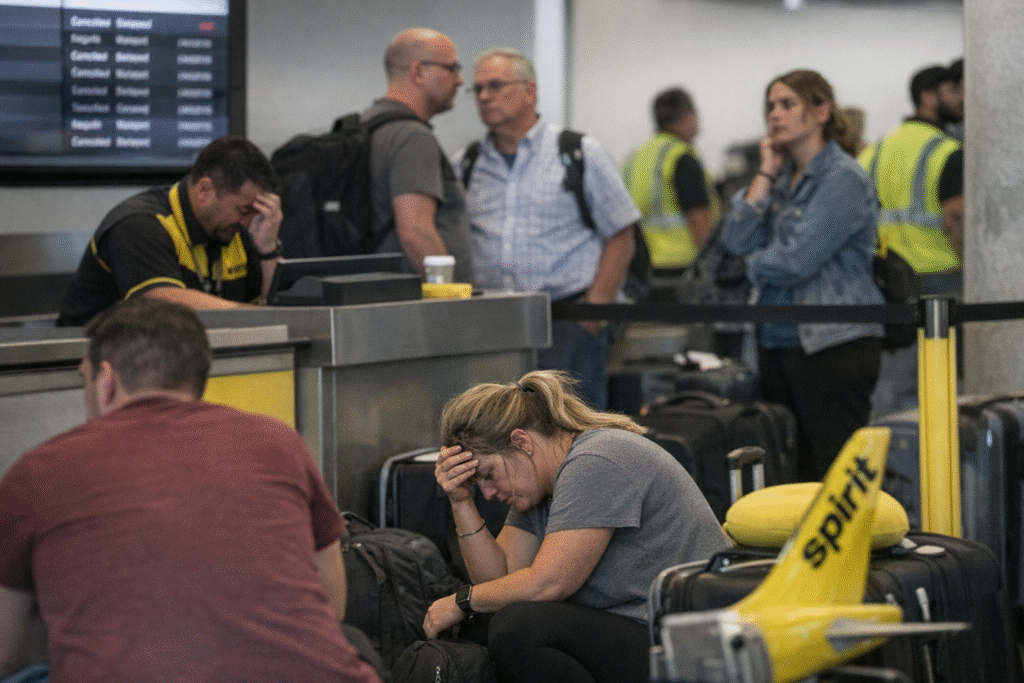
Spirit Airlines is preparing to cease operations after efforts to secure a financial lifeline collapsed, according to reporting by The Wall Street Journal in its article “Spirit Airlines Prepares to Shut Down as Rescue Deal Falls Apart.” The development marks a dramatic turn for a carrier long synonymous with ultra-low-cost travel in the United States.
The airline’s anticipated shutdown follows the breakdown of negotiations with potential investors and creditors that had been viewed as critical to its survival. Spirit, which has struggled under a heavy debt burden and mounting operational challenges, had been seeking fresh capital to sustain operations while restructuring its finances. Those talks ultimately failed to produce a viable agreement, leaving the company with limited options.
The situation underscores the fragility of budget airlines in a post-pandemic environment characterized by volatile fuel prices, rising labor costs, and intensifying competition. Spirit’s business model, built on offering bare-bones fares supplemented by fees, came under increasing pressure as larger carriers adjusted pricing strategies and demand patterns shifted. Operational disruptions and customer dissatisfaction further eroded its position in recent years.
Spirit’s decline also reflects the broader consolidation pressures within the aviation industry. A previously proposed merger with JetBlue Airways had been blocked on antitrust grounds, eliminating what many analysts had viewed as a potential escape route. Without that deal, Spirit faced the prospect of navigating a challenging financial landscape alone, a task that proved increasingly untenable.
The potential shutdown would have wide-ranging implications. Thousands of employees could be displaced, and passengers may face disruptions as the airline winds down service. Routes served primarily by Spirit, particularly in price-sensitive markets, could see reduced competition and higher fares as other carriers move to fill the gap.
Creditors and lessors are now expected to move quickly to protect their interests, while aviation regulators will monitor the process to ensure passenger protections are upheld. Industry observers note that even if limited operations continue in the near term, the airline’s long-term independence appears unlikely without a last-minute intervention.
As detailed by The Wall Street Journal, Spirit’s predicament illustrates the unforgiving economics of the airline sector, where thin margins and external shocks can rapidly destabilize even established carriers. The coming weeks are expected to determine how quickly Spirit winds down and how competitors respond to its exit.