Iran Frames War Losses as Strategic Victory
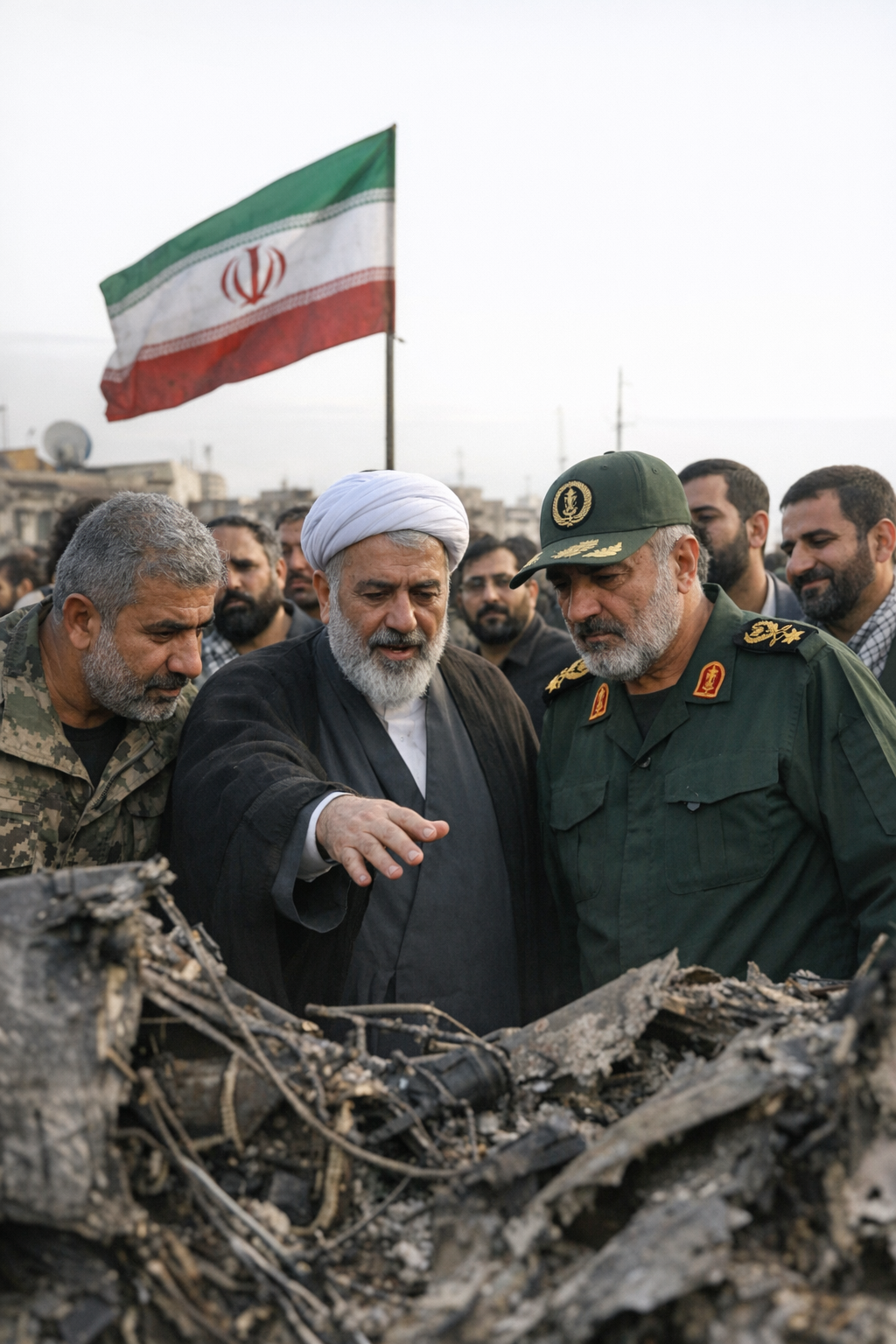
Despite sustaining significant battlefield setbacks and material losses, Iran’s leadership has framed its recent conflict as a strategic success, underscoring a divergence between military outcomes and political narratives that is reshaping perceptions of the war across the region.
A Wall Street Journal report titled “Why Iran Thinks It Won the War Despite Huge Military Losses” examines how Tehran has constructed a narrative of resilience and victory, even as its forces and allied militias suffered considerable damage. According to the report, Iranian officials argue that simply enduring sustained military pressure from technologically superior adversaries represents a form of success. Survival, in this framing, is equated with strategic triumph.
Central to Iran’s position is the belief that it managed to impose costs on its opponents while maintaining the core of its regional influence. Although key assets were degraded and operational capabilities weakened in certain theaters, Iranian leaders have emphasized their ability to continue projecting power indirectly through allied groups. This network of proxies, long a cornerstone of Iran’s regional strategy, remains largely intact, allowing Tehran to claim that its broader deterrence posture endures.
The narrative also reflects domestic political considerations. By portraying the conflict as a victory, Iranian authorities seek to reinforce national cohesion and deflect criticism over economic strain and military losses. State media and official statements have highlighted moments of resistance and retaliation, minimizing the scale of setbacks while amplifying symbolic achievements.
Analysts note that this framing is not unusual in asymmetric conflicts, where weaker parties often measure success differently than their adversaries. For Iran, avoiding regime-threatening consequences and maintaining its strategic footprint may outweigh conventional metrics such as territorial control or casualty figures. The perception of having stood firm against a stronger opponent can bolster both internal legitimacy and external credibility among allies.
At the same time, the Wall Street Journal report underscores a more complex reality. Iran’s losses have constrained its operational flexibility and exposed vulnerabilities in its military infrastructure. The gap between rhetoric and reality may also limit Tehran’s capacity to escalate in future confrontations without greater risk.
The competing narratives surrounding the conflict highlight how modern warfare is as much about perception as it is about battlefield outcomes. While opponents may point to Iran’s tangible losses, Tehran’s leadership appears intent on shaping a longer-term narrative in which endurance, rather than dominance, defines victory.