Iran’s 10 Demands Put U.S. in Tough Negotiation Spot
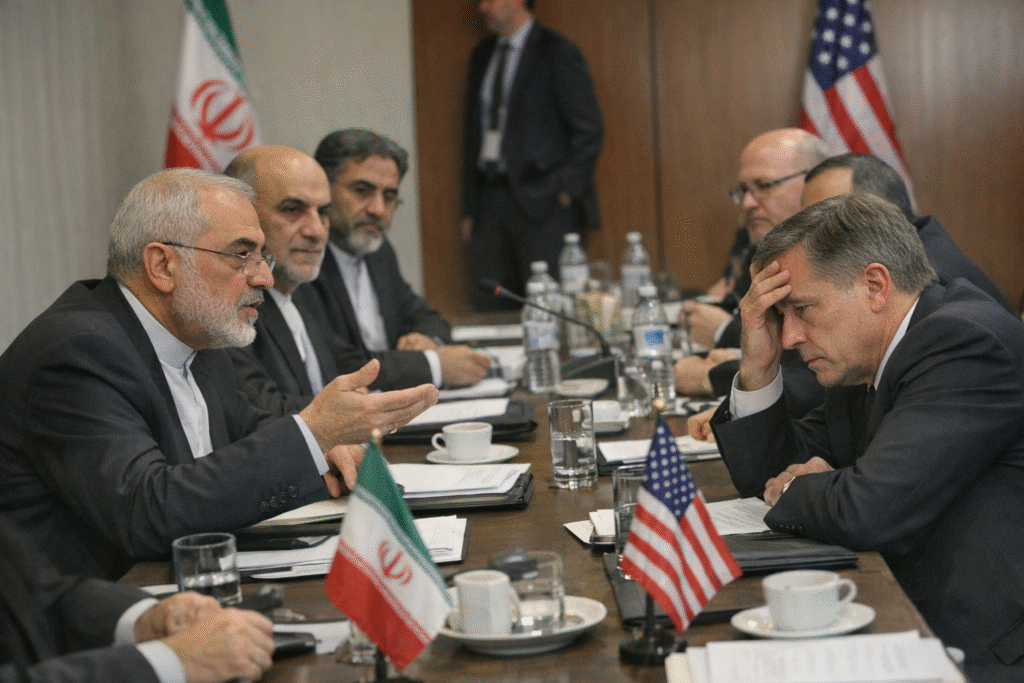
A recent article in The Wall Street Journal titled “A Closer Look at Iran’s 10 Demands—and Which the U.S. Might Accept” offers a detailed examination of Tehran’s negotiating position as diplomatic efforts continue over Iran’s nuclear program. The report outlines a set of conditions Iran has put forward in talks with the United States and its partners, shedding light on both the breadth of Tehran’s ambitions and the limits of what Washington may be willing to concede.
At the center of Iran’s demands is extensive sanctions relief, a longstanding priority for its leadership as economic pressures continue to weigh on the country. According to the Journal’s reporting, Iranian negotiators are seeking not only the removal of nuclear-related sanctions but also broader guarantees that future U.S. administrations will not reimpose restrictions. This request reflects Tehran’s lingering distrust following the U.S. withdrawal from the 2015 nuclear agreement during the Trump administration.
The article notes that Iran is also pushing for recognition of its right to enrich uranium at higher levels than previously permitted, as well as the preservation of advanced centrifuge technology developed in recent years. These points are likely to pose major challenges for U.S. negotiators, who remain focused on limiting Iran’s nuclear capabilities and extending the time it would take for Tehran to produce a weapon, should it choose to do so.
Another key element involves verification and oversight. While the United States and its allies insist on robust inspection regimes conducted by international monitors, Iran has signaled resistance to intrusive measures beyond those outlined in earlier agreements. The Journal suggests that some compromise may be possible in this area, though significant gaps remain.
The report also highlights Iran’s calls for the formal closure of outstanding investigations by international nuclear watchdogs into past nuclear activities. This demand is particularly contentious, as Western officials argue that resolving these questions is essential for ensuring transparency, while Iran views them as politically motivated.
In addition to nuclear-specific issues, the Journal indicates that Iran has raised broader geopolitical concerns in the negotiations, including the unfreezing of overseas assets and the facilitation of international trade. These demands are tied to the country’s urgent economic needs but intersect with U.S. concerns about regional security and Iran’s support for proxy groups.
Despite the wide-ranging nature of Tehran’s requests, the article suggests that some elements could form the basis of potential compromise. Limited sanctions relief, humanitarian measures, and phased compliance steps are identified as areas where both sides might find common ground. However, more far-reaching demands, particularly those involving long-term guarantees and expanded nuclear capabilities, appear significantly less likely to gain U.S. acceptance.
The Journal’s analysis underscores the complexity of the current مذاکرات environment, where both sides are balancing domestic political pressures with strategic considerations. For Washington, any agreement must withstand scrutiny from Congress and U.S. allies, particularly in the Middle East. For Tehran, negotiators must demonstrate that engagement yields tangible economic benefits without appearing to concede too much.
As diplomatic efforts continue, the gap between the two countries remains substantial. The demands outlined in the Journal’s report illustrate not only Iran’s negotiating strategy but also the structural challenges that have long complicated efforts to revive or replace the nuclear agreement. Whether incremental progress can bridge these divides will likely determine the trajectory of U.S.-Iran relations in the months ahead.