Trump-Iran Tensions Push World to Brink
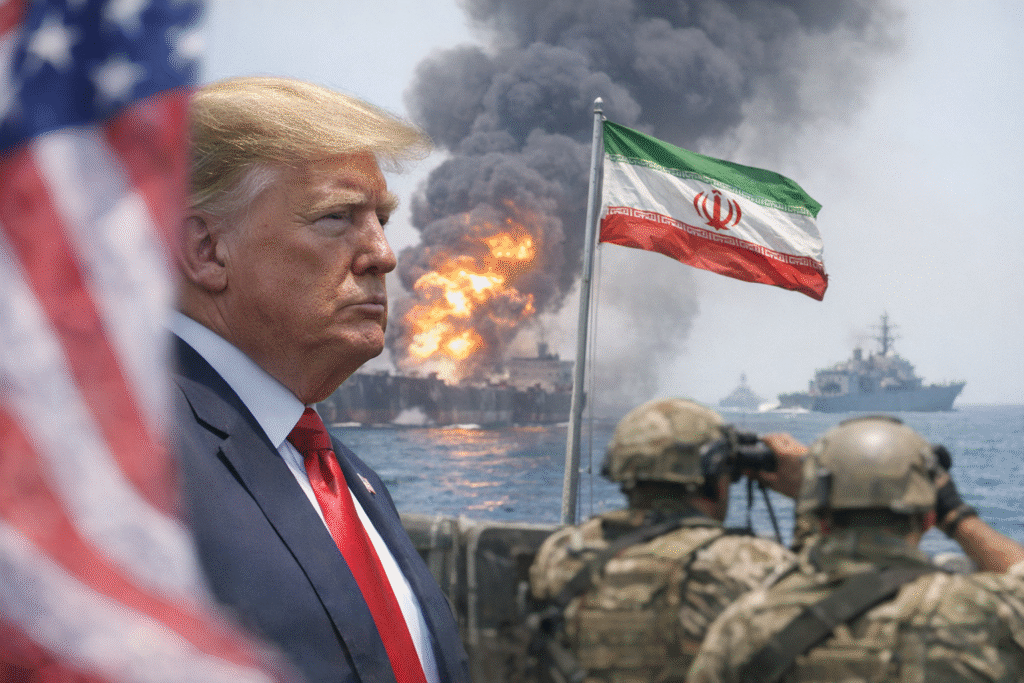
In its report titled “Trump Iran Threat Gripped World,” The Wall Street Journal describes a period of acute international tension sparked by former U.S. President Donald Trump’s rhetoric and policy posture toward Iran, underscoring how close the two adversaries appeared to open conflict and how widely the repercussions were felt.
The article situates the episode within the broader arc of U.S.-Iran relations, highlighting how escalating threats, military signaling, and abrupt policy shifts created uncertainty not only in Tehran and Washington but across global capitals. Allies in Europe and the Middle East, already navigating fragile regional dynamics, found themselves bracing for the possibility of rapid escalation. Markets reacted to the volatility, and diplomatic channels were strained as governments sought clarity on Washington’s intentions.
According to The Wall Street Journal, the sense of immediacy surrounding potential confrontation was fueled by both public statements and behind-the-scenes movements, including military deployments and contingency planning. Analysts cited in the report point to the unpredictability of the moment as a key factor that amplified fears; decision-making appeared compressed, and traditional diplomatic buffers seemed less reliable.
The article also reflects on how Iran responded by calibrating its own signals—balancing deterrence with caution—while regional actors adjusted their security postures. Gulf states, in particular, were portrayed as acutely aware of the risks of being drawn into a broader conflict, even as they maintained strategic ties with Washington.
Experts referenced in the Wall Street Journal’s coverage suggest that the episode illustrates enduring vulnerabilities in the U.S.-Iran relationship, where miscalculation remains a persistent risk. Even in the absence of direct confrontation, the buildup highlighted how quickly tensions can escalate and how deeply interconnected global political and economic systems are with developments in the Middle East.
Ultimately, the report frames the episode as a case study in modern geopolitical brinkmanship, where rhetoric, perception, and rapid decision-making can converge to produce moments of global anxiety.