Trump Iran Deadline Signals High-Stakes Choices
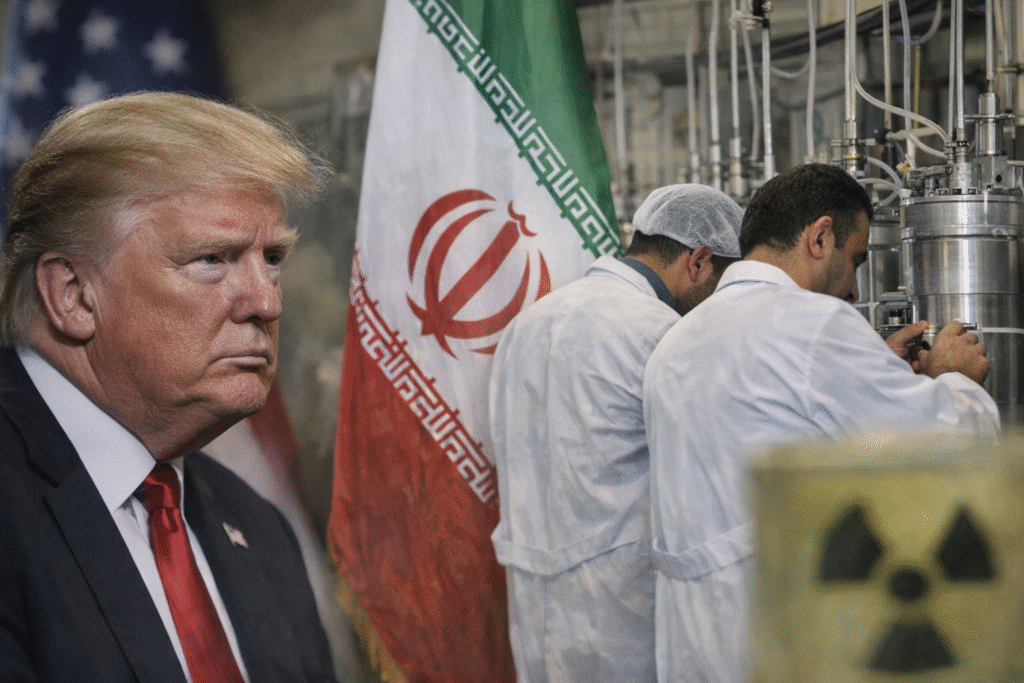
A report published by The Wall Street Journal, titled “Three Ways Trump’s Iran Deadline Could Play Out Tonight,” outlines the uncertainty surrounding a key moment in U.S. policy toward Iran, highlighting several potential paths the situation could take as tensions remain elevated.
At the center of the analysis is a deadline set by former President Donald Trump tied to Iran’s nuclear activities and broader regional posture. The article frames the moment as a test of both deterrence and diplomacy, with outcomes ranging from escalation to a possible reopening of negotiations.
One scenario described involves a limited or symbolic response, in which the United States refrains from immediate military action while signaling continued pressure through sanctions or strategic positioning. Such an outcome would underscore an effort to maintain leverage without triggering a broader conflict, though it risks being interpreted by Tehran as a lack of resolve.
Another possibility is a more forceful response, potentially involving targeted military strikes. This path would aim to reinforce U.S. red lines and reassert deterrence, but carries the inherent danger of rapid escalation. Regional actors, including U.S. allies and Iranian proxies, could be drawn in, complicating containment efforts and increasing the likelihood of a sustained confrontation.
A third outcome centers on diplomatic recalibration. Under this scenario, the deadline could pass with renewed efforts to reopen channels for negotiation, either directly or through intermediaries. While this approach could reduce immediate tensions, it would require concessions or confidence-building measures that may prove politically difficult for both sides.
The Wall Street Journal’s analysis emphasizes that each option reflects a trade-off between short-term stability and long-term strategic goals. The evolving situation underscores the complexity of U.S.-Iran relations, where decisions made under tight timelines can have far-reaching geopolitical consequences.