Reported US Mission Recovers Airman in Iran
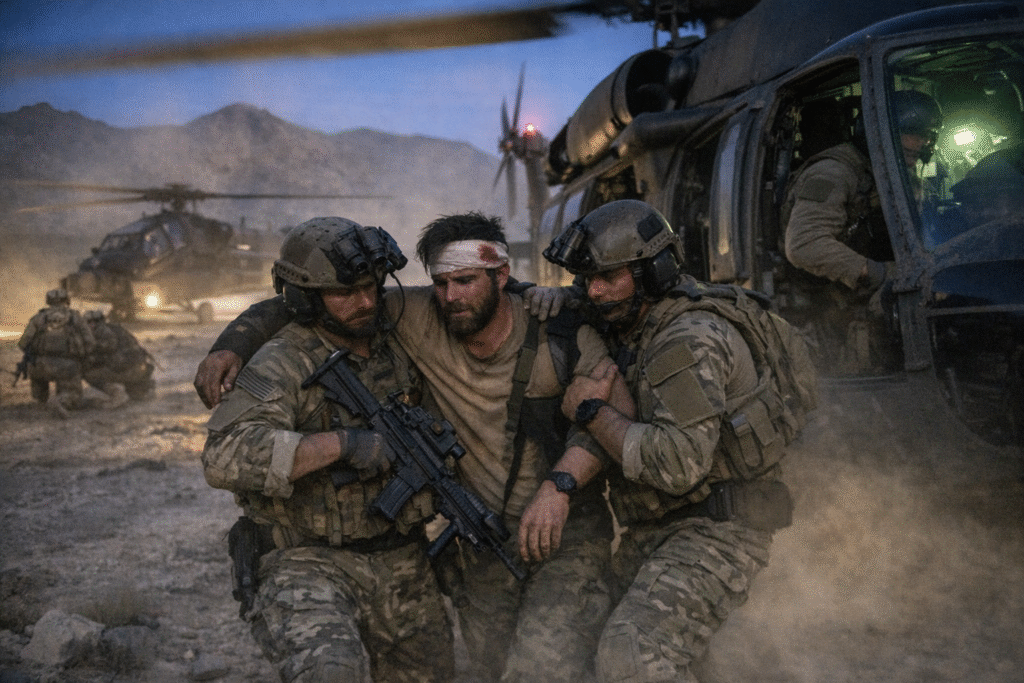
A U.S. special operations mission that reportedly extracted an F-15 airman from Iranian territory underscores the persistent volatility of U.S.-Iran relations and the risks facing American personnel operating near contested airspace.
According to reporting by Military Times in the article titled “US special forces rescue F-15 airman from Iran,” the operation involved elite U.S. forces conducting a recovery effort after an American fighter jet incident left a pilot isolated inside Iran. While official details remain tightly controlled, the reported mission suggests a rapid, high-stakes response capability designed to recover personnel under some of the most politically sensitive conditions.
The circumstances leading to the airman’s presence in Iran have not been publicly clarified in full. Incidents involving U.S. military aircraft in proximity to Iranian borders are not unprecedented, particularly given ongoing tensions in the Persian Gulf region and the broader Middle East. Mechanical failure, navigational error, or hostile action are among the possibilities typically considered in such scenarios, though U.S. officials have not confirmed the cause in this case.
What distinguishes this incident is the reported decision to carry out a recovery mission inside Iranian territory. Such an operation would carry significant diplomatic and military risks, including the potential for confrontation with Iranian forces. Historically, the United States has exercised extreme caution in such situations, often relying on indirect channels or regional partners when possible. A direct special operations insertion would indicate both urgency and confidence in operational success.
The Pentagon has not released detailed information on the tactics used, the duration of the mission, or whether any engagement occurred with Iranian forces. Similarly, Iranian authorities have not publicly acknowledged the incident, leaving key aspects of the event obscured. This absence of confirmation from Tehran may reflect a mutual interest in avoiding escalation.
Military analysts note that personnel recovery missions are among the most complex operations undertaken by U.S. forces. They require precise intelligence, coordination across multiple domains, and the ability to operate in hostile or denied environments. The successful extraction of a downed or stranded airman is often considered a critical demonstration of military capability, as well as a signal of commitment to service members.
At the same time, such missions carry strategic consequences. Even if conducted without direct confrontation, they can strain already fragile diplomatic relationships. U.S.-Iran tensions remain elevated due to disputes over regional influence, nuclear activity, and ongoing sanctions. An incident involving U.S. forces operating within Iranian borders could complicate efforts to manage those tensions through diplomatic channels.
The Military Times report reflects a broader pattern of limited transparency surrounding sensitive operations. While such secrecy is standard for special operations missions, it often leaves uncertainties about the scale and implications of events. For now, the reported rescue stands as a rare glimpse into the kinds of contingencies U.S. forces prepare for—and occasionally execute—far from public view.
Whether further details emerge may depend on diplomatic developments in the weeks ahead. In the absence of official confirmation, the incident is likely to remain partially obscured, serving both as a testament to operational capability and a reminder of the persistent risks embedded in U.S. military deployments near adversarial states.