Iran Rejects Trump-Linked Ceasefire Proposal
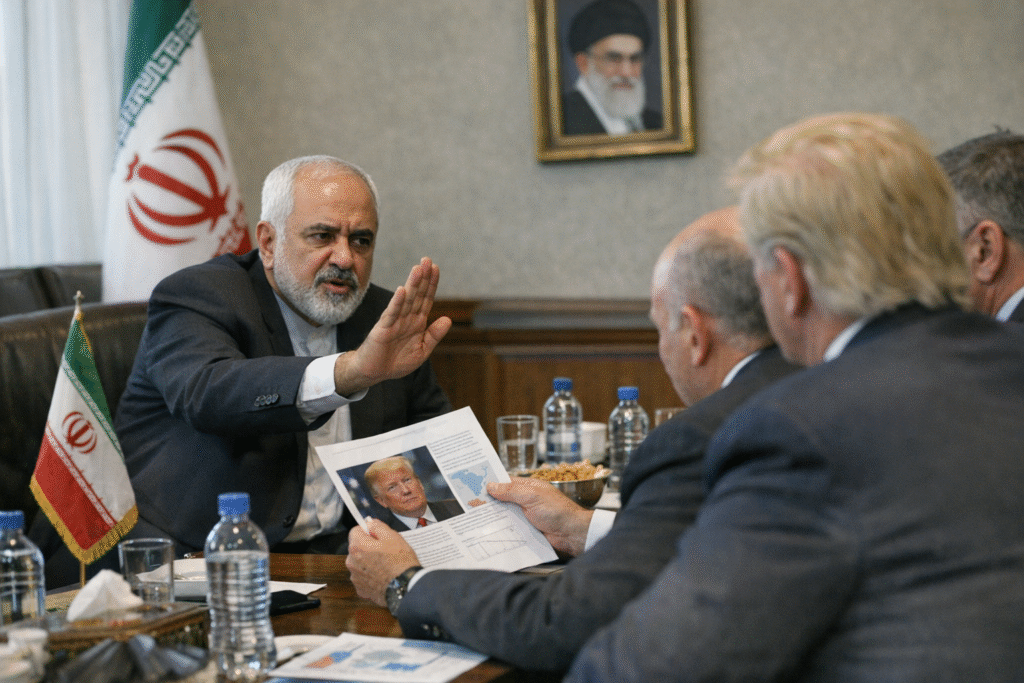
Iran has rejected a proposed ceasefire framework associated with former U.S. President Donald Trump, underscoring the continuing impasse between Tehran and Washington over regional tensions and security concerns.
According to reporting by the Washington Free Beacon in an article titled “Iran Does Not Accept a Ceasefire: Islamic Republic Rejects Trump’s Peace Offer,” Iranian officials dismissed the proposal outright, signaling that the leadership is not open to negotiations framed under current U.S. political conditions. The response reflects Tehran’s longstanding position that it will not engage in what it regards as politically motivated or one-sided diplomatic initiatives.
The reported proposal, linked to Trump’s broader foreign policy posture, appears to have been framed as an attempt to de-escalate ongoing friction in the Middle East. However, Iranian authorities characterized the overture as lacking credibility, particularly given the history of U.S. withdrawal from the 2015 nuclear agreement during Trump’s presidency and the subsequent reimposition of economic sanctions.
Tehran’s rejection also highlights deeper structural mistrust. Iranian officials have repeatedly emphasized that any meaningful dialogue must include verifiable commitments and mutual concessions, conditions they argue are absent from proposals associated with past U.S. administrations. The current stance suggests that Iranian leadership continues to prioritize strategic resistance over engagement when proposals are perceived as politically symbolic rather than diplomatically substantive.
The development comes amid persistent regional volatility, including tensions involving proxy forces and ongoing disputes over nuclear activity. Analysts note that Iran’s refusal to entertain such ceasefire proposals may be intended both as a signal of domestic strength and as a message to international audiences that it will not negotiate under pressure.
At the same time, the rejection complicates any near-term prospects for de-escalation. While informal or backchannel diplomacy often plays a role in U.S.-Iran relations, public rebukes of high-profile proposals tend to reinforce entrenched positions on both sides.
As the Washington Free Beacon report indicates, the episode reflects a broader pattern in which diplomatic gestures tied to political figures or past policies struggle to gain traction in Tehran. With neither side showing clear willingness to adjust core demands, the possibility of a negotiated pause in tensions remains uncertain.