Middle East Arms Race: The Ammunition War Era
In recent discussions surrounding the global defense landscape, a significant focus has shifted towards the strategic and economic implications of arms accumulation in the Middle East. A recent analysis published by Mr. Andrew Fox on Substack, titled “The Iran War Is Now an Ammunition War,” delves into the nuanced dynamics emerging in the region, particularly with respect to Iran’s evolving role.
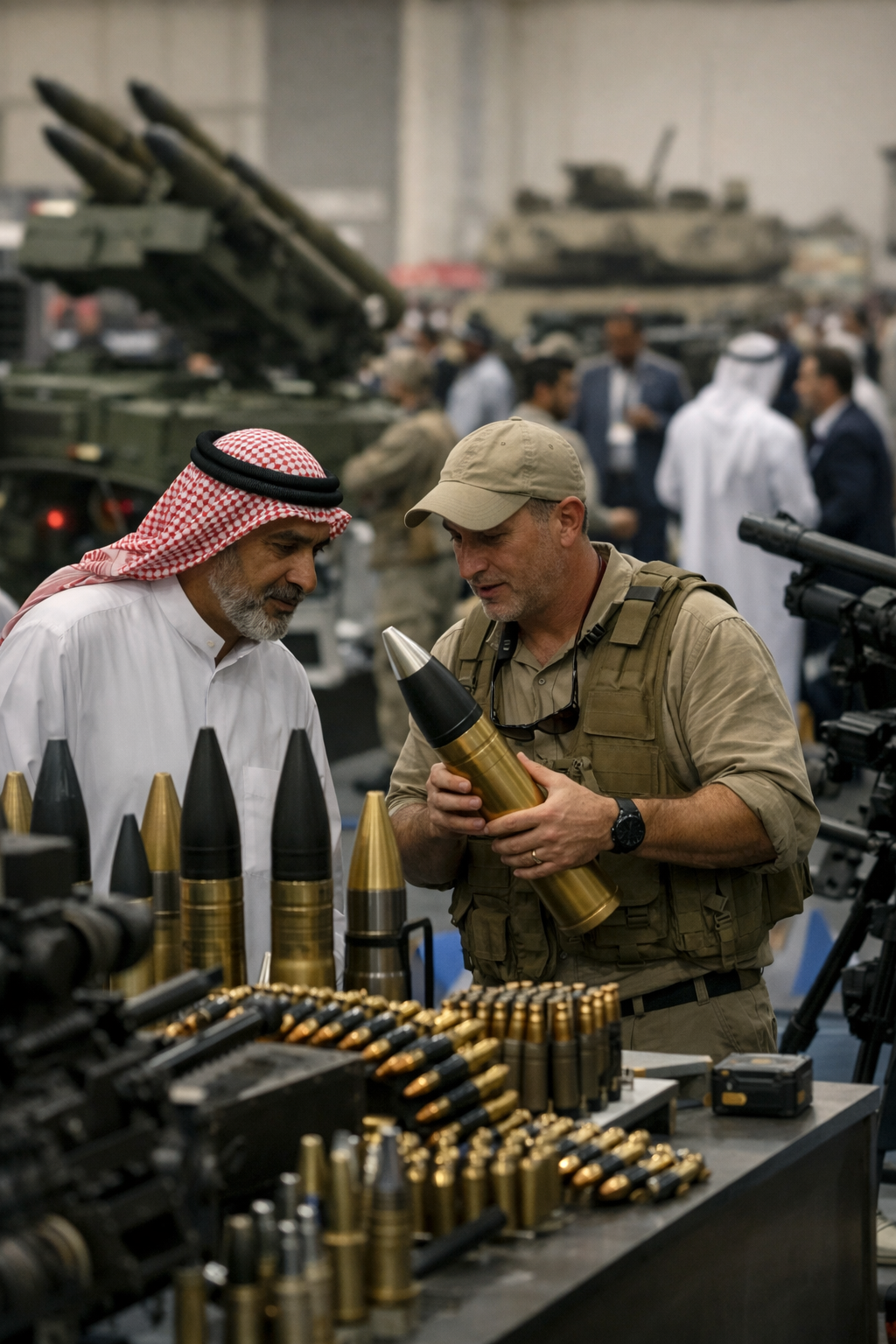
The article outlines how recent geopolitical shifts have transformed the nature of conflict in the region from traditional battlefield engagements to a more intricate “ammunition war.” This term refers to the heightened emphasis on stockpiling and deploying advanced munitions, a trend that underscores the current strategic priorities of regional powers worried about security and influence.
A key aspect highlighted by Mr. Fox is the realignment of regional actors. Iran, in particular, stands at the crossroads of this transformation, pivoting towards an intensified focus on building its arsenal of advanced weaponry. This comes amid a backdrop of existing tensions not only with traditional adversaries such as Israel and Saudi Arabia but also in light of fluctuating international diplomatic negotiations over its nuclear capabilities.
The analysis further posits that this arms race scenario is not limited to Iran. Neighboring states, in their quest to maintain a strategic edge, are similarly amplifying their focus on advanced munitions. This development is further complicated by the broader implications of external actors engaged in arms sales, which effectively fuels the cycle of regional militarization.
Mr. Fox’s argument is underscored by the strategic economic facets involved in this buildup. As emphasized in his article, the burgeoning demand for sophisticated weaponry carries significant financial incentives for arms manufacturers globally, who find a burgeoning market in countries vying to bolster their defense systems. This not only affects the security dynamics in the region but also reshapes the global arms market, as traditional exporters adjust to meet the growing demand.
Another dimension is the international diplomatic ripple effect. The entrenchment of this “ammunition war” paradigm calls for renewed diplomatic engagement and potentially a recalibration of international arms control agreements. Such agreements may need to adapt to encompass newly emerging threats associated with unbridled arms races, a point that Mr. Fox briefly touches upon.
Ultimately, the implications of the shift to an “ammunition war,” as described in the Substack piece, extend beyond immediate regional security concerns. They call for a holistic assessment by policymakers globally, necessitating a reconsideration of traditional approaches to peace and security in one of the world’s most volatile regions. As nations continue to navigate these complex dynamics, the focus will likely remain on achieving a delicate balance between deterrence and diplomacy in addressing the multifaceted challenges posed by Iran and its regional counterparts.