Israel Expands Apache Fleet After Hamas Conflict Lessons
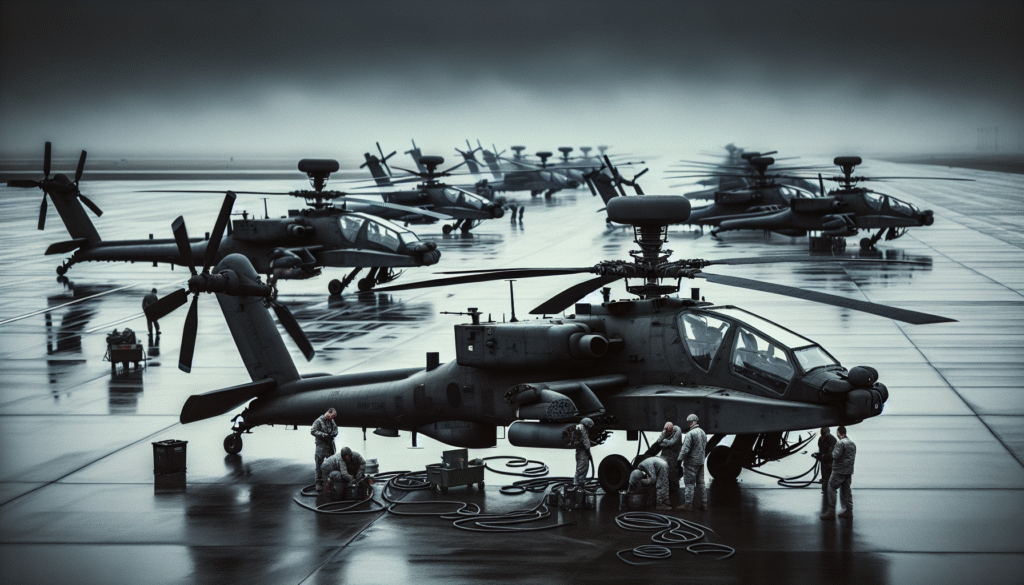
Israel’s decision to move forward with plans to expand its fleet of AH-64 Apache attack helicopters reflects a strategic shift shaped by operational lessons from the October 7, 2023 Hamas assault and the subsequent conflict, according to defense analysts. The move, detailed in a February 2026 report titled “Israel’s New Apache Buy A Result Of Lessons Learned Since Oct. 7 – Analysts” published by Breaking Defense, underscores how the Israel Defense Forces (IDF) are recalibrating priorities in the face of evolving threats.
The Ministry of Defense announced it intends to acquire a new batch of U.S.-made AH-64Es, the latest version of the long-serving Apache gunship, following comprehensive internal reviews of aerial combat operations over Gaza and southern Israel. Sources say the procurement will likely include both brand-new airframes and upgrades to Israel’s existing AH-64D fleet, with deliveries expected to begin within the next two to three years.
Defense observers say the decision is grounded in battlefield observations during the early days of the war against Hamas, where any delay in providing rapid, close air support endangered ground forces and failed to prevent cross-border incursions. In the article by Breaking Defense, Israeli defense analyst Amos Harel notes that “lessons learned from operational shortfalls have triggered renewed urgency in prioritizing aerial dominance near border zones.”
Throughout the recent conflict, the Apaches played a significant role in supporting infantry forces operating in dense urban environments, often under fire from hidden militant positions. Commanders reportedly praised the helicopters’ versatility, precision, and rapid-response capabilities when operating under complex battlefield conditions. However, operational gaps—especially in maintaining a continuous presence near the Gaza perimeter—highlighted shortfalls in fleet size and readiness.
The Apache has been a mainstay of the Israeli Air Force (IAF) since the 1990s, frequently deployed in high-intensity operations including anti-armor warfare, targeted strikes, and emergency support. The IAF operates a combination of AH-64A and AH-64D models, with the older variants now approaching obsolescence. Critics within Israel’s defense establishment have warned over the past decade that delays in replacing or upgrading critical rotary-wing assets could cost lives in future conflicts.
While Israel had previously weighed pivoting toward more unmanned aerial systems for strike and reconnaissance missions, the Hamas conflict reaffirmed the enduring value of manned attack helicopters—particularly in asymmetric warfare scenarios where rapid identification and engagement of multiple targets is required. According to the Breaking Defense article, senior Israeli officials now view a balanced approach, combining manned and unmanned capabilities, as the most effective way to address the spectrum of threats posed by both conventional armies and guerrilla actors.
The shift also comes amid growing concerns over Hezbollah’s capabilities along the northern border with Lebanon, where a similar need for close air support is anticipated in the event of escalation. Military planners are reportedly reviewing deployment patterns along both strategic fronts in order to ensure that any future surprise attacks could be met with overwhelming and immediate force.
The deal to acquire additional Apaches is expected to be facilitated through the U.S. Foreign Military Sales program, leveraging Washington’s longstanding security assistance commitments to Israel. While exact figures and budget allocations have not been officially disclosed, sources familiar with the deal suggest it will likely fall within the broader scope of the existing ten-year U.S.-Israel military aid agreement, worth $38 billion.
As regional dynamics continue to shift, Israel’s renewed investment in the AH-64 underscores its determination to bolster rapid reaction capabilities and adapt its military doctrine in the wake of unprecedented challenges. The procurement reinforces a broader trend among modern militaries reassessing force structure in light of both conventional readiness and irregular threats.