Military Accelerates GenAI Integration Across All Branches
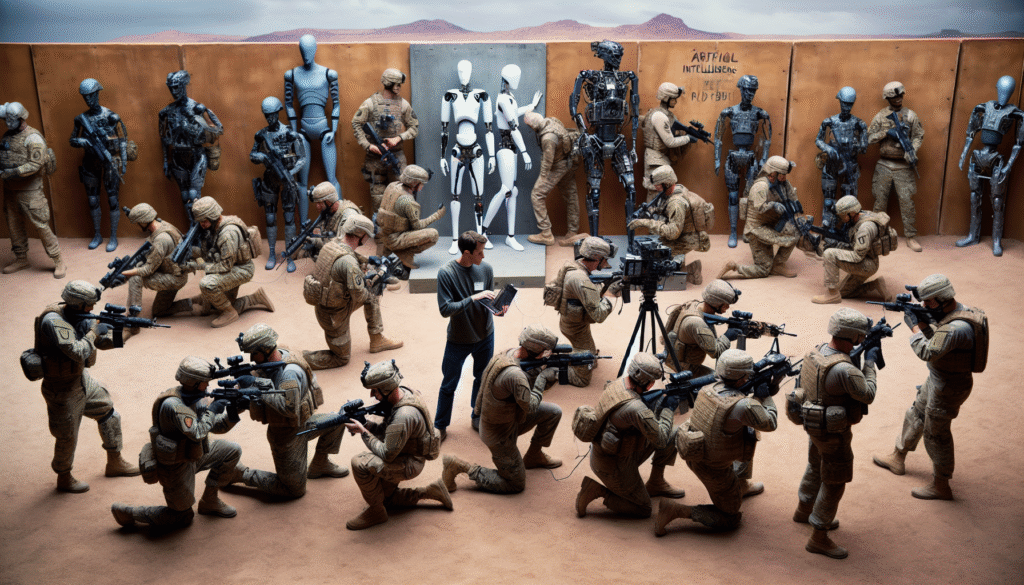
In a decisive step toward modernizing the U.S. military’s digital infrastructure, defense officials are accelerating efforts to incorporate generative artificial intelligence (GenAI) into operations across all branches of the armed forces. According to the DefenseScoop article titled “All military branches are building GenAI tools ahead of Mil-Enterprise AI adoption,” released on February 2, the Department of Defense (DoD) is pushing for deeper integration of AI architectures as part of a broader move toward enterprise-level capabilities.
The initiative is unfolding under the oversight of the Chief Digital and Artificial Intelligence Office (CDAO), which has signaled a shift from ad hoc AI pilot programs toward a unified, scalable framework. Each service branch—Army, Navy, Air Force, Marine Corps, and Space Force—is actively developing GenAI tools tailored to its unique operational requirements, while maintaining alignment with the upcoming Military Enterprise AI (Mil-Enterprise AI) framework. This enterprise-wide architecture aims to standardize how AI solutions are developed, deployed, and integrated across the military.
Dr. William Streilein, chief technology officer at the CDAO, emphasized the need for responsible scaling of GenAI technologies, noting that the current phase focuses on iterative development and experimentation. He highlighted that each branch has identified priorities for GenAI integration, such as supporting battlefield decision-making, bolstering logistics, improving cybersecurity responses, and accelerating intelligence analysis. These advances are being coordinated under a common set of governance and cybersecurity protocols, including model assessment and content filtering.
While GenAI tools—like large language models and multimodal systems—are still undergoing testing for security, reliability, and utility in mission-critical scenarios, defense officials are mindful of the risks posed by so-called “hallucinations,” where models generate fabricated or misleading information. To mitigate such risks, the CDAO has mandated robust evaluation frameworks, defense-in-depth strategies, and a clear delineation of use cases that prioritize real-time validation.
The Defense Department’s approach reflects a growing understanding that AI’s strategic advantage lies not only in its technical capabilities but also in its alignment with operational needs and ethical standards. This measured integration process is designed to de-risk deployment while ensuring that GenAI tools augment, rather than disrupt, existing workflows.
The DefenseScoop article underscores the military’s broader goal of transforming AI from a collection of isolated innovations into a cohesive enterprise system that enhances national defense. As the CDAO and individual service branches converge on the Mil-Enterprise AI architecture, 2026 is shaping up to be a pivotal year for the future of defense technology, with GenAI playing a central role in reshaping how the military analyzes threats, coordinates missions, and deploys forces worldwide.