New Submarine Engine Plant Boosts US Naval Power
As global maritime threats evolve and undersea competition intensifies, the United States Navy is placing renewed emphasis on bolstering its submarine capabilities—starting with the engines that power its fleet. A recent segment titled “Inside a new submarine engine production plant — Defense News Weekly, Full Episode 2/3/26,” published by Military Times, offers a rare look inside a cutting-edge manufacturing facility at the heart of the nation’s military-industrial base.
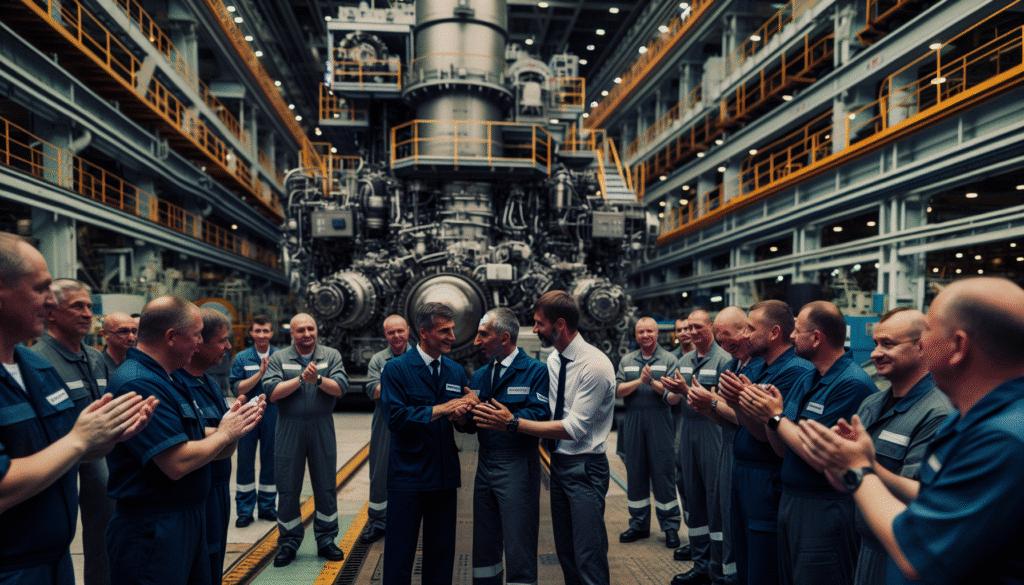
Located in an undisclosed site in the United States, the newly operational plant is focused on constructing the propulsion systems that drive the Navy’s newest class of nuclear-powered submarines. These submarines, including the Virginia- and Columbia-class vessels, are a cornerstone of America’s undersea deterrence strategy and require precision-engineered components that meet extremely high performance and safety standards.
The facility marks a significant expansion in industrial capacity at a time when the Navy is grappling with increasing demands. As the military seeks to maintain undersea dominance amid rising competition from near-peer adversaries such as China and Russia, delays and bottlenecks in submarine production have become pressing issues. By increasing domestic manufacturing capacity, the Navy hopes to accelerate submarine construction timelines while enhancing quality control and system reliability.
In interviews featured by Military Times, defense officials and plant managers emphasized the role of public-private partnerships in bringing the new facility online. The plant is operated by a leading U.S. defense contractor specializing in maritime propulsion, with government investment helping to fund the advanced machinery and workforce training programs needed to produce these complex engines.
Technological innovation is also central to the plant’s mission. Engineers on site demonstrated how advancements in additive manufacturing—commonly known as 3D printing—are being integrated into the production process. These technologies not only reduce costs and lead times but also allow for greater flexibility in part design and repair. Automation and digital quality control systems are further streamlining the plant’s output, highlighting the Defense Department’s broader commitment to modernizing its supply chains using next-generation tools.
The episode also underscores the workforce development necessary to operate such a high-tech facility. Recruiting and training skilled labor remains a top priority, and partnerships with community colleges and technical schools have been established to build a talent pipeline capable of sustaining long-term production goals.
With geopolitical tensions intensifying across the Indo-Pacific region and undersea surveillance tactics becoming ever more sophisticated, the strategic importance of these submarines—and the engines that power them—cannot be overstated. The investment in this new production facility represents more than a supply chain achievement; it signals a broader doctrinal shift toward ensuring long-term resilience and readiness in underwater warfare.
As detailed in Military Times’ coverage, the facility stands as a tangible example of the Pentagon’s concerted effort to bridge technological gaps and accelerate its strategic objectives beneath the waves. The plant’s rollout may be just one piece of the puzzle, but it is a critical one in sustaining American undersea superiority into the future.