Russia Debuts New MLRS at Saudi Defense Show
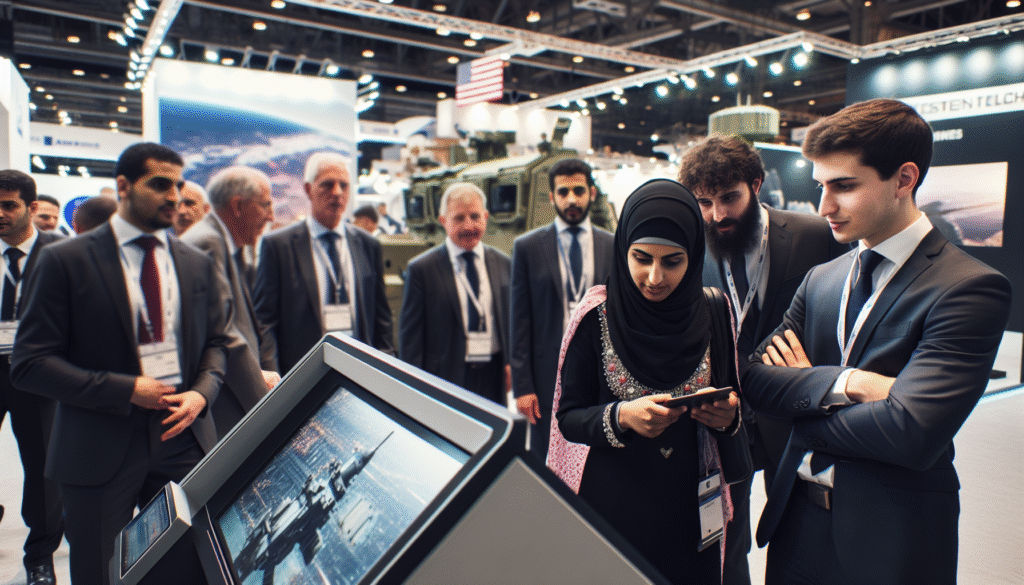
Russia is preparing to debut a new multiple launch rocket system (MLRS) at the World Defense Show in Riyadh this February, signaling deepening defense ties with Gulf nations amid ongoing Western sanctions and geopolitical tensions. According to the article “Russia to showcase new MLRS at Saudi weapons show, seeking local ties,” published by Defense News, this marks Russia’s first participation in the biannual Saudi Arabian defense exhibition, underlining Moscow’s growing emphasis on defense diplomacy beyond traditional markets.
The system, called the Tornado-S, is a modernized version of existing Soviet-era rocket artillery, boasting enhanced range, precision, and interoperability with advanced targeting systems. Officials from Rosoboronexport, Russia’s state-owned arms export agency, have framed the move as part of a broader strategy to expand Russia’s defense footprint in the Middle East. They aim to use the event to forge partnerships with regional governments and private defense firms, including cooperative ventures around production and maintenance.
Russia’s defense industry has faced mounting challenges. As the war in Ukraine continues and Western nations maintain export restrictions and sanctions, Moscow has accelerated its outreach to non-aligned countries and those less inclined to follow Washington’s lead. The Gulf region, particularly Saudi Arabia, has increasingly shown openness to diversifying its defense relationships, traditionally dominated by the United States and Europe. This shifting calculus may offer Moscow key opportunities to offset the loss of some European and North American markets.
The choice of the World Defense Show—the flagship Saudi event designed to showcase interoperability across air, land, sea, space, and security domains—is strategic. Russia’s presence serves both commercial and political aims, underscoring its intent to present itself not only as a reliable arms supplier but also as a global defense player capable of innovating despite isolation.
Defense News noted that Rosoboronexport’s delegation includes high-ranking officials and engineers ready to discuss joint development and technology transfers. Analysts say that offering local production and licensing agreements could make Russian systems more attractive to Middle Eastern buyers seeking to bolster domestic defense capabilities. However, questions remain over operational compatibility, training, and the potential diplomatic friction that may result from purchasing Russian arms under the current international climate.
The Tornado-S, in particular, represents Russia’s efforts to modernize its artillery forces and appeal to foreign militaries seeking high-firepower solutions. It is an evolution of the Soviet-designed 300mm BM-30 Smerch system, featuring automated launch preparation, satellite-guided munitions, and a reported effective range of up to 120 kilometers. Moscow hopes features like these will capture the interest of Gulf militaries looking for cost-effective alternatives to Western systems.
This development comes at a time when Riyadh is ramping up its national military industry through Vision 2030, an ongoing economic diversification project that targets 50 percent localization of defense spending by the end of the decade. Russia’s overtures may align with these goals, provided its offerings meet Saudi technical and strategic requirements.
Whether the Tornado-S or other Russian systems gain traction in the Gulf market remains uncertain, but Russia’s forthcoming appearance at the World Defense Show illustrates its determination to defy international constraints and seek new partnerships in a reshaped global arms landscape.