Virginia Court Upholds US Adoption of Afghan Orphan
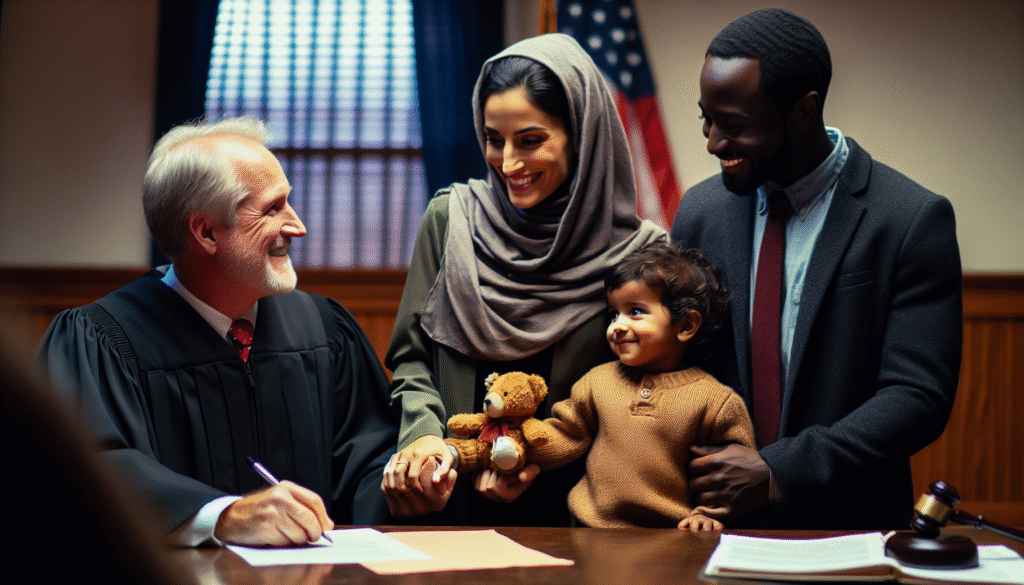
In a decision that brings a concluding chapter to a long and emotionally charged international custody case, the Virginia Supreme Court has ruled in favor of a U.S. Marine and his wife, affirming the legality of their adoption of an Afghan war orphan. The February 2026 ruling upholds a lower court’s decision and effectively ends the legal avenues for Afghanistan’s Taliban-led government to challenge the adoption in the U.S. judicial system.
The case, which has garnered global attention and prompted debates over international child welfare, sovereignty, and the legacy of the U.S. withdrawal from Afghanistan, involved a girl orphaned during a 2019 U.S. military operation. The child was adopted by former Marine Major Joshua Mast and his wife, Stephanie Mast, who argued they acted out of humanitarian concern and strictly followed Virginia state law in the adoption process.
According to the original report titled “Virginia Supreme Court rules US Marine’s adoption of Afghan war orphan will stand,” published by Military Times, the Virginia Supreme Court found that Joshua Mast had a legal right to seek the adoption and that the state courts were correct in granting custody. The court also concluded it had proper jurisdiction over the case, despite objections from the Afghan government and Human Rights Watch, which contended the child’s relatives in Afghanistan had not provided informed consent and that the child was effectively taken without international due process.
The ruling ends years of legal wrangling and sets a precedent in a highly unusual case intersecting U.S. military involvement abroad and family law. The child at the center of the dispute was declared an orphan by U.S. military officials following her evacuation from a battlefield in Afghanistan, where both her parents reportedly died during the raid. The Taliban-led Afghan government has maintained that extended family members remain in Afghanistan who are both willing and capable of raising the child, making the U.S.-based adoption illegitimate under Afghan customary and legal standards.
Legal experts have called the case unprecedented, noting the absence of a formal bilateral agreement between the U.S. and Afghanistan on international adoptions. Critics, including child welfare advocates and international organizations, have raised concerns about the lack of transparency and the potential for conflicting cultural and ethical standards to complicate such decisions.
Nonetheless, the court emphasized that the matter had been litigated extensively in the state court system and that all parties had the opportunity to present evidence. In its written opinion, the court stated that the best interests of the child had been properly considered and that the ruling was consistent with Virginia state law as it stood at the time of the adoption.
For the Masts, the decision brings relief after years of legal challenges and public scrutiny. “We are thankful to the Virginia Supreme Court for recognizing our commitment and our love for our daughter,” the couple said in a statement issued through their attorney shortly after the ruling was made public.
As the legal case comes to a close, the broader questions it raises—particularly about the responsibilities of the U.S. military in post-conflict child welfare and the ethical boundaries of wartime adoption—are likely to continue generating debate. With this ruling, however, the American legal system has spoken definitively on the custody of the child, marking the end of what has been a deeply complex and morally fraught saga.