USS George Washington Arrives in South Korea After Trilateral Drills, Reinforcing US Commitment to Indo-Pacific Allies
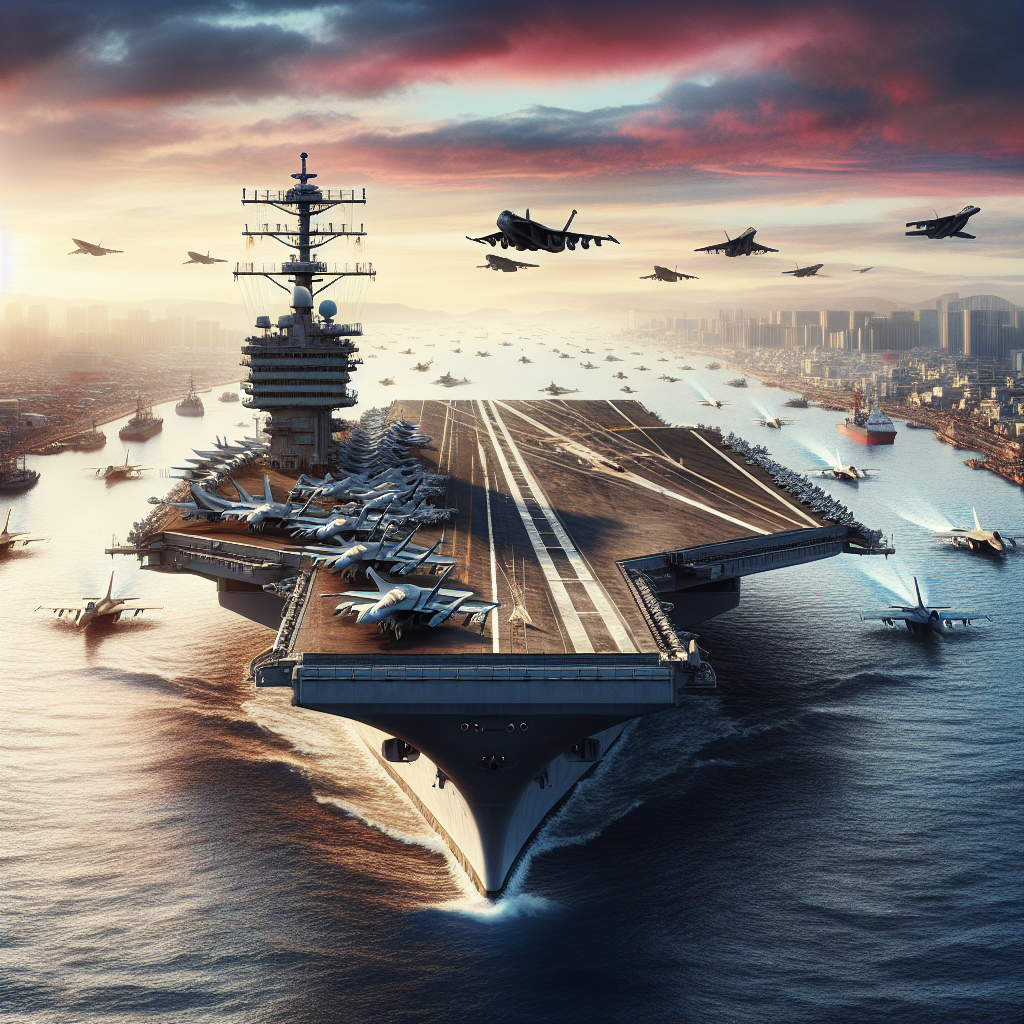
In a strategic demonstration of alliance and presence amid growing regional tensions, the U.S. Navy aircraft carrier USS George Washington (CVN-73) arrived in South Korea for a port visit following a trilateral training exercise with Japanese naval forces. The port call, highlighted in a November 5 report titled “Carrier USS George Washington Makes Port Visit to South Korea After Training with Japan” by USNI News, underscores the United States’ ongoing commitment to bolstering defense ties with its Indo-Pacific allies.
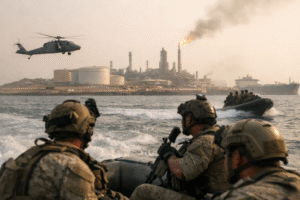
The Nimitz-class carrier, accompanied by elements of its carrier strike group, docked at South Korea’s Busan Naval Base earlier this week. The stop comes on the heels of multilateral maritime drills involving Japanese and American warships in the Philippine Sea. Those exercises focused on integrated naval operations, including anti-submarine warfare, maritime interdiction, and coordinated air defense.
Senior military officials from all three nations have emphasized the growing necessity of joint training efforts, citing an increasingly assertive North Korea and expanding Chinese maritime influence as pressing concerns. The trilateral cooperation aims not only at enhancing interoperability but also at sending a clear message of unity and readiness among the Pacific’s key democratic powers.
During the port visit, U.S. Navy personnel are expected to participate in cultural and community engagement events while senior naval leadership conducts discussions with counterparts in the Republic of Korea Navy (ROKN). The George Washington’s arrival marks its latest major deployment in the region since completing a multi-year refueling and complex overhaul. It also represents a significant milestone in reinforcing U.S. naval capability following its extended maintenance period.
Analysts interpret this deployment and allied training as a calculated measure to deter regional adversaries and reassure allies. While the U.S. Pacific Fleet maintains a regular forward presence, the participation of a nuclear-powered aircraft carrier highlights the scale and seriousness of this mission.
As regional militaries modernize and expand their sea-based capabilities, the United States has intensified its emphasis on integrated deterrence. The presence of the USS George Washington—once again fully operational—serves as both a symbol and a functional asset in this approach.
USNI News notes that the carrier strike group will continue operations in the Western Pacific following the South Korea stop, potentially involving additional allied exercises and freedom of navigation operations in contested waters. The timing and location of these engagements, however, remain subject to operational security.
In the face of mounting strategic competition, the convergence of American, South Korean, and Japanese maritime forces reflects a concerted shift toward tighter defense coordination. According to U.S. military officials, such integration will be critical in maintaining a stable balance of power in the Indo-Pacific for the foreseeable future.