USAF Set to Approve T-7A Red Hawk Production
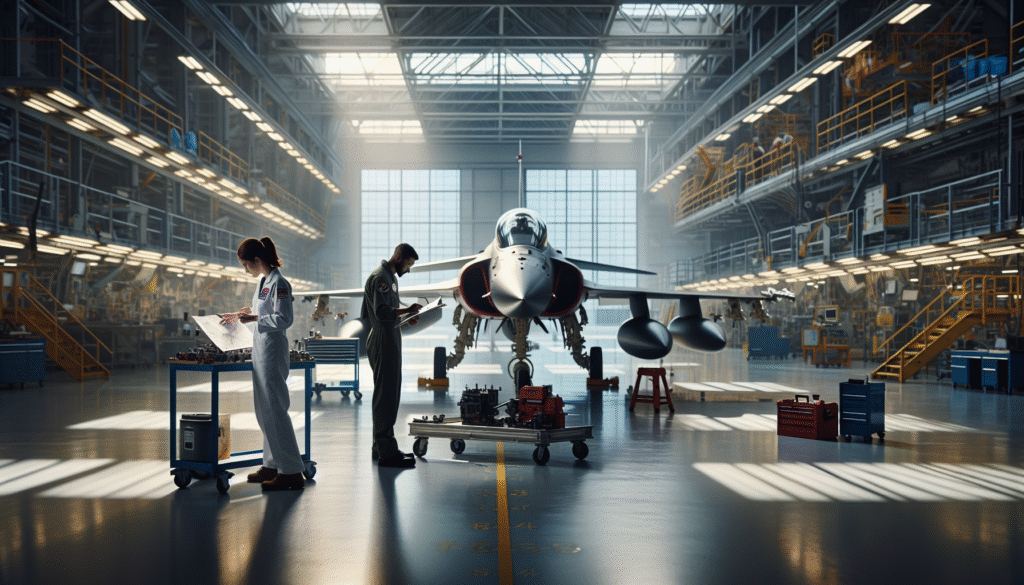
In a critical development for the United States Air Force’s training infrastructure, the introduction of the T-7A Red Hawk advanced pilot training system is poised to receive formal approval for production imminently. According to a January 2026 report from Breaking Defense titled “Exclusive: Air Force To Approve T-7 Trainer Production ‘Within Days’,” the service is anticipated to move forward with this crucial decision, marking a significant milestone in modernizing its pilot training capabilities.
The T-7A Red Hawk, developed by Boeing in collaboration with Swedish aerospace company Saab, represents a substantial advancement in pilot training technology. Designed to replace the aging fleet of T-38 Talon trainers, the Red Hawk is expected to deliver enhanced performance, safety, and training effectiveness. This advanced training aircraft promises to better prepare pilots for the complexities of modern air combat with its state-of-the-art avionics and simulation systems.
The decision to greenlight full-scale production of the T-7 comes after a series of rigorous evaluations and testing phases. The Air Force’s approval hinges on the successful outcome of these assessments, which have scrutinized the aircraft’s technical performance and operational readiness. By advancing to production, the Air Force aims to address a critical gap in its pilot training regimen and to improve the overall efficacy of its instructional programs.
The introduction of the T-7A Red Hawk is timely, aligned with strategic military requirements and global security challenges that necessitate highly skilled and adaptable pilots. With the geopolitical landscape evolving rapidly, the ability of the U.S. Air Force to maintain air superiority hinges not only on advanced aircraft but also on the proficiency of its pilots. Thus, the T-7A’s deployment is expected to play a pivotal role in maintaining the USAF’s competitive edge by ensuring a seamless transition to fifth-generation fighter platforms such as the F-35 and F-22.
This transition is not without its challenges. As with any new military hardware, the T-7’s integration into the Air Force’s training apparatus will require addressing potential teething issues, including logistical considerations and training curricula adaptations. However, these challenges are deemed surmountable with Boeing’s commitment to delivering a product that meets the Air Force’s exacting standards and timelines.
In addition, the introduction of the T-7 is indicative of the continued emphasis on leveraging cutting-edge technology to enhance operational capabilities. The aircraft’s design is informed by extensive digital modeling processes, allowing for the incorporation of modern synthetic training environments. This digital approach not only aligns with current trends in military aviation but also promises to deliver cost savings and improved adaptability in training pilots for various scenarios.
The approval of the T-7A Red Hawk signifies a proactive step by the U.S. Air Force to align its training protocols with contemporary and anticipated future demands. As the program progresses to full-scale production, it is expected to set a new standard in pilot training and contribute significantly to the United States’ defense posture. As cited in Breaking Defense, the Air Force’s imminent decision underscores its commitment to ensuring that its training fleets are as advanced and capable as the aircraft that have been entrusted to defend the nation’s skies.